
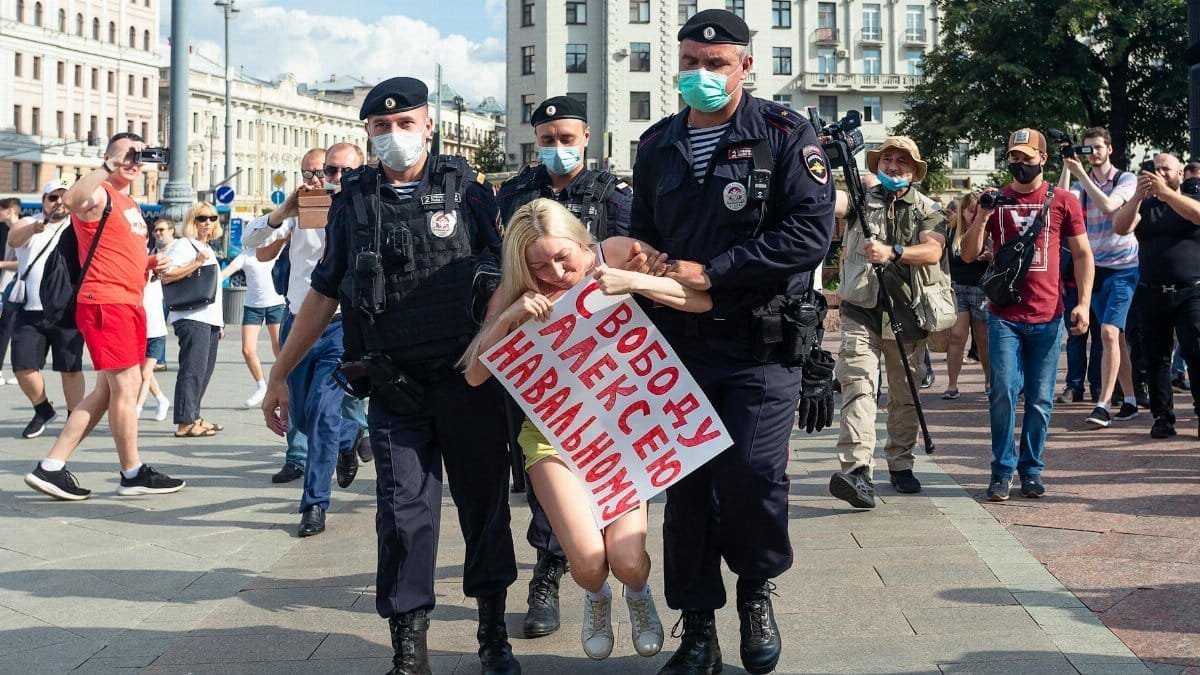
In a groundbreaking move, tampa police breathwork is causing a major shift in law enforcement practices this year. On March 18, 2025, the Tampa Police Department (TPD) rolled out a unique initiative in Tampa, FL, integrating a four-minute coherent-breath exercise into daily roll calls for its 990 sworn officers. Early results are striking, with first-quarter reports showing a significant drop in physical altercations and a surge in public approval. This program could redefine how police manage stress and interact with citizens.
A New Approach to Policing
The Tampa Police Department’s adoption of breathwork marks a departure from traditional law enforcement training. Every shift now begins with a structured breathing exercise designed to promote calm and focus. Known as coherent breathing, this technique involves slow, rhythmic inhales and exhales over four minutes. The goal is simple: equip officers with a tool to manage stress in high-pressure situations. With 990 officers participating, TPD has fully committed to testing this innovative method across its ranks.
Origins of the Breathwork Program

While the exact origins of the program remain tied to internal TPD initiatives, the decision to implement breathwork reflects a broader push for wellness in policing. Departments nationwide are grappling with rising scrutiny over use-of-force incidents and officer burnout. Tampa’s leadership saw breathwork as a proactive measure, embedding it directly into roll call routines to ensure consistency. This daily practice aims to ground officers before they hit the streets, potentially altering how they respond to volatile encounters.
Early Results Show Promise

First-quarter reports from TPD reveal compelling data. Physical altercations involving officers have decreased by 17% since the breathwork program began. This reduction suggests that the technique may help de-escalate situations that could otherwise turn confrontational. While causation isn’t fully established, the numbers point to a tangible shift in officer behavior. The department views this as an early win, though they remain cautious about long-term conclusions without further analysis.
Citizen Satisfaction on the Rise
Public perception of TPD has also improved significantly. Citizen-satisfaction survey scores have jumped by 26% in the same reporting period. Residents appear to notice a difference in officer demeanor, with many likely responding to calmer, more measured interactions. This uptick aligns with the department’s broader goal of rebuilding trust within the community. Tampa’s experiment with breathwork could serve as a model for bridging the gap between police and the public they serve.
Scientific Scrutiny Underway
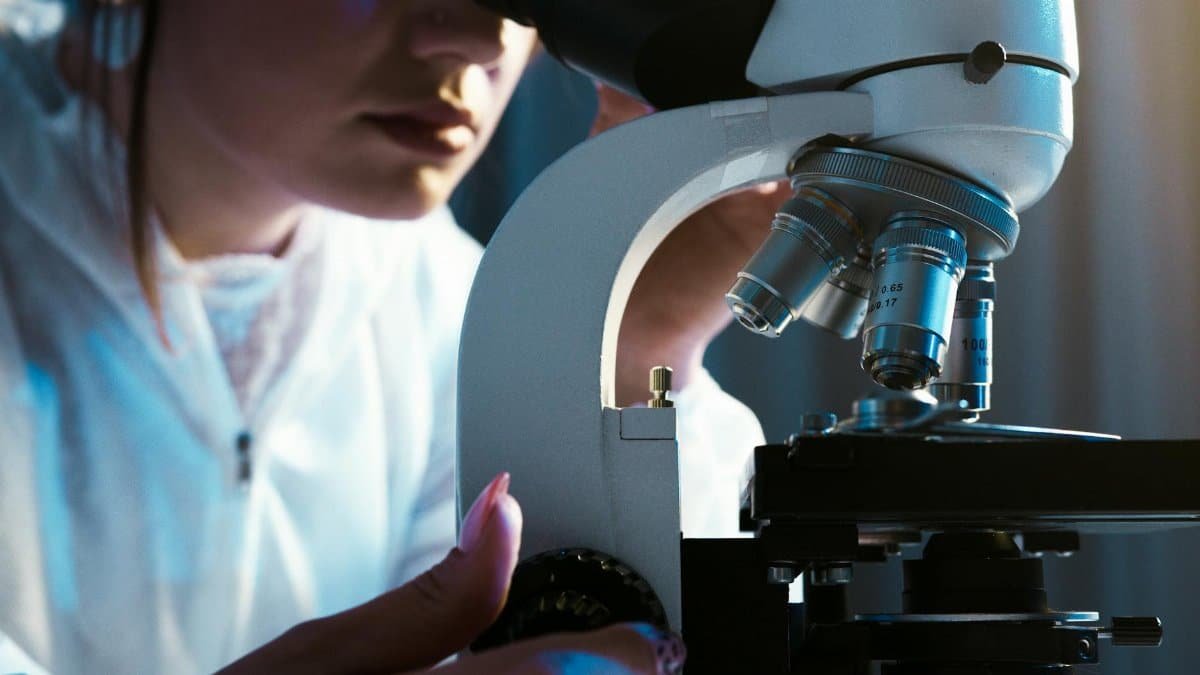
To validate these early findings, the University of South Florida (USF) criminologists have launched a year-long comparative analysis. Their study will examine TPD’s outcomes alongside nearby departments that lack similar wellness programs. This research aims to determine whether breathwork genuinely impacts use-of-force incidents and community relations or if other factors are at play. The results, expected in 2026, could influence policing strategies across Florida and beyond.
Broader Context in Law Enforcement Wellness
Tampa’s initiative fits into a growing trend of mental health and wellness programs in U.S. policing. Stress management techniques like mindfulness and breathing exercises are gaining traction as tools to combat officer fatigue and aggression. According to resources from the National Institute of Justice, such programs can reduce burnout and improve decision-making under pressure ( National Institute of Justice ). Tampa’s focus on tampa police breathwork adds a practical layer to this national conversation.
Potential Challenges Ahead

Despite the promising start, integrating breathwork into policing isn’t without hurdles. Some officers may resist the practice, viewing it as unrelated to core job functions. Others might struggle to apply the technique effectively in real-world scenarios where split-second decisions dominate. TPD will need to address skepticism and ensure ongoing training to sustain the program’s impact. The USF study will likely shed light on these practical challenges as it progresses.
Community Implications

For Tampa residents, the breathwork program offers hope for safer interactions with law enforcement. A 17% drop in physical altercations could translate to fewer injuries for both officers and civilians. Meanwhile, the 26% rise in satisfaction scores hints at a community eager for positive change. If these trends hold, Tampa could set a precedent for how wellness initiatives reshape public safety dynamics in 2025 and beyond.
Looking to the Future

As TPD continues its breathwork experiment, the department remains under a microscope. The USF analysis will be critical in determining whether this approach merits wider adoption. Other agencies are already watching, curious if tampa police breathwork can deliver lasting results. For now, Tampa’s officers breathe easier—literally and figuratively—while the data unfolds. Additional insights on policing innovations can be found through resources like the Police Executive Research Forum ( Police Executive Research Forum ).