

A recent study from the National Institutes of Health revealed that nearly 40% of Americans report high levels of stress impacting their daily lives, a figure that’s climbed steadily over the past decade. Amid this backdrop, an ancient practice is gaining modern traction in unexpected places. In Tampa, Florida, hospitals are turning to forest bathing—a mindful immersion in nature—as a tool for patient recovery. This integration of forest bathing, Tampa wellness, and stress relief isn’t just a fad; it’s rooted in growing evidence that connecting with green spaces can lower cortisol levels and boost mental resilience. As urban dwellers grapple with the pressures of 2025’s fast-paced life, from economic uncertainties to digital overload, initiatives like these offer a grounded antidote. What started in Japan as shinrin-yoku has evolved into a accessible wellness strategy, now weaving its way into American healthcare systems, promising a breath of fresh air for those in healing.
The Origins and Essence of Forest Bathing
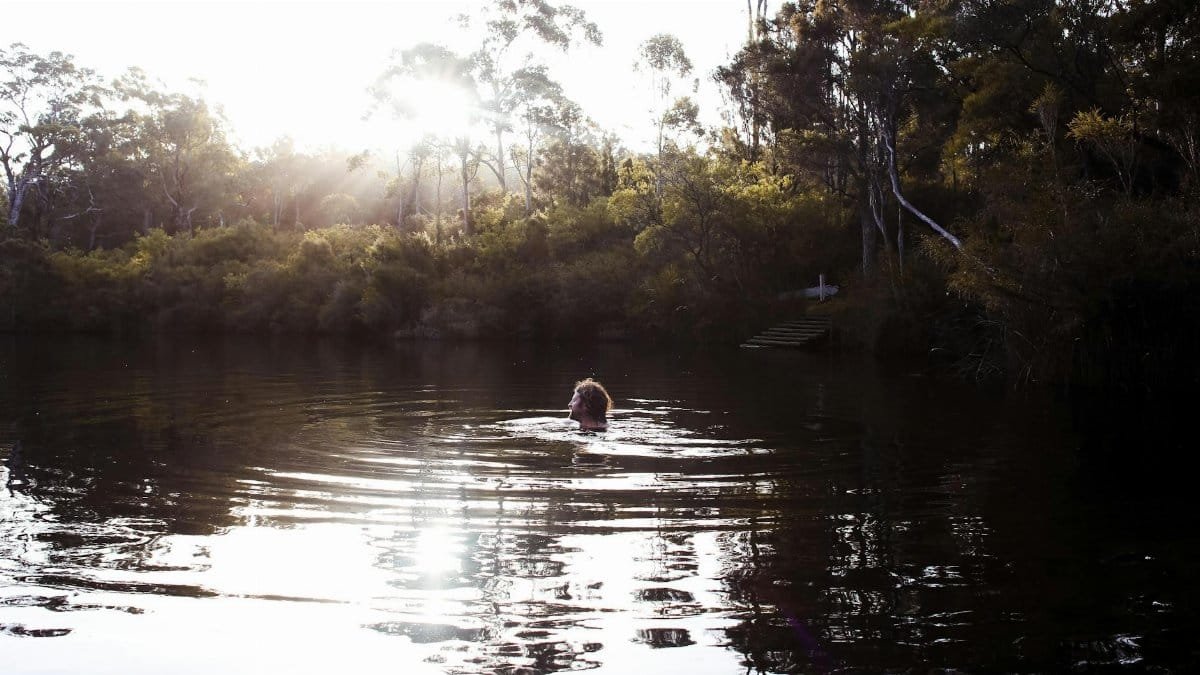
Forest bathing, known as shinrin-yoku in Japanese, emerged in the 1980s as a public health initiative to combat the stresses of urban living. It involves no actual bathing—just a slow, intentional walk through wooded areas, engaging the senses fully. You inhale the earthy scents, listen to rustling leaves, feel the bark under your fingertips. This practice draws from centuries-old traditions, but modern science backs its benefits. Research from Japan’s Chiba University has shown that time in forests can reduce blood pressure and improve immune function through exposure to phytoncides, natural compounds released by trees.
In Tampa, this concept adapts to local landscapes, from the lush preserves along the Hillsborough River to urban parks like Lettuce Lake. It’s not about hiking for miles; it’s pausing to notice the details—a bird’s call, the play of light through branches. One local resident, recovering from surgery, described it as “like hitting a reset button on my overwhelmed mind.” Such experiences highlight how forest bathing taps into something primal, offering stress relief without the need for equipment or expertise.
Yet, it’s more than relaxation. Studies link it to lower anxiety and better mood regulation, making it a fitting addition to wellness programs in a city like Tampa, where heat and humidity might deter outdoor activities. By framing it as accessible therapy, hospitals are democratizing what was once seen as an exotic import.
Tampa’s Wellness Landscape and the Push for Nature-Based Therapies
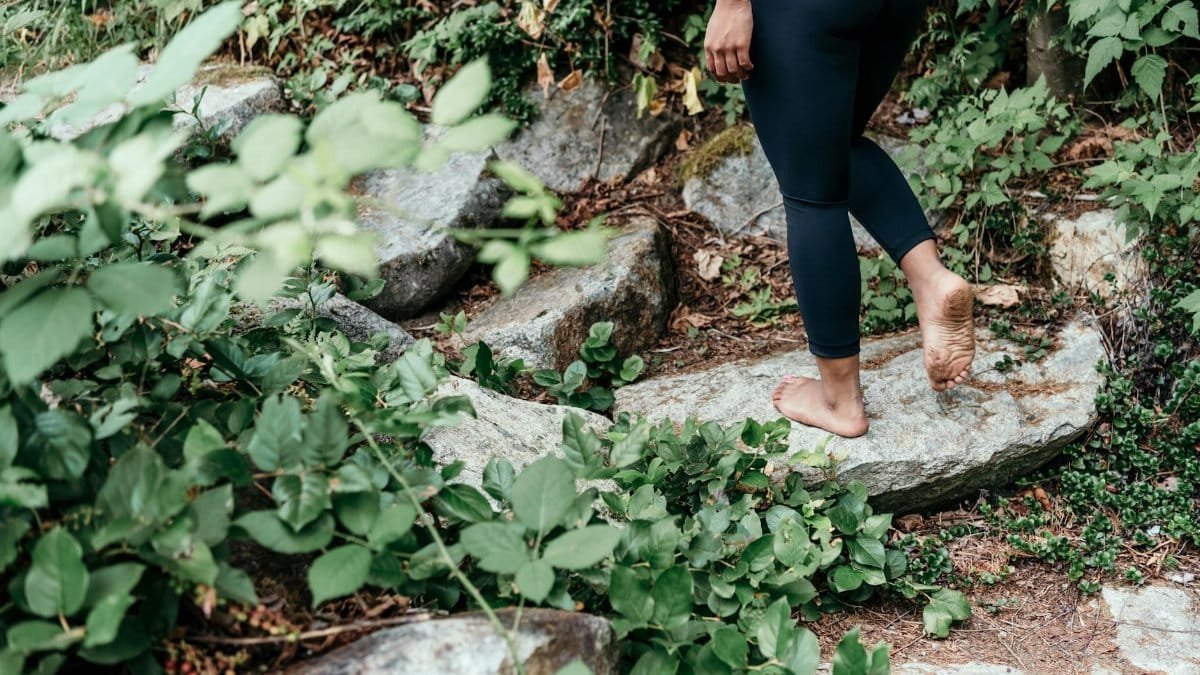
Tampa’s wellness scene has exploded in recent years, fueled by a mix of retirees seeking vitality and young professionals chasing balance. Yoga studios dot the downtown, juice bars promise detox, but forest bathing stands out for its simplicity and low cost. In 2025, with mental health crises still echoing from the pandemic era, local initiatives are prioritizing nature’s role in healing. The city’s proximity to natural areas, like the expansive Brooker Creek Preserve, makes it ideal for such programs.
Consider the story of a group of nurses at a Tampa hospital who piloted forest bathing sessions during their breaks. Amidst the beeps of monitors and sterile hallways, they stepped out to a nearby green space. “It was transformative,” one shared anonymously in an online discussion, noting how the brief immersion cut through the burnout. This reflects broader trends: according to the Pew Research Center, over half of U.S. adults say they’ve faced increased stress, pushing demand for innovative relief like forest bathing, Tampa wellness, and stress relief strategies.
Local organizations, including the Tampa Bay Sierra Club, have partnered with health providers to map out safe, guided paths. These efforts address urban isolation, turning public lands into extensions of the clinic. It’s a shift from pill-based interventions to holistic ones, acknowledging that wellness often blooms outdoors.
Stress Relief Mechanisms: What Science Says
Dive into the biology, and forest bathing’s appeal sharpens. When you wander mindfully in nature, your body shifts from fight-or-flight mode to rest-and-digest. Cortisol drops, heart rate variability improves—markers of reduced stress. A landmark study published in the International Journal of Environmental Research and Public Health analyzed participants after forest sessions, finding significant decreases in anxiety scores. Linked to NIH-supported research on nature exposure, these effects stem from sensory stimulation and a break from screens.
But it’s not all straightforward. Some people feel initial discomfort in silence, their minds racing without distractions. That’s where guided sessions help, easing the transition. In Tampa, where humidity can amplify physical stress, programs incorporate shaded routes and hydration tips, making stress relief practical. Imagine a patient post-heart surgery, slowly pacing a trail, breathing in the salt-tinged air from nearby bays. Such moments illustrate how forest bathing recalibrates the nervous system, fostering resilience against life’s chaos.
Critics argue it’s placebo, but data counters that. Longitudinal tracking shows sustained benefits, like improved sleep, which indirectly combats chronic stress. For middle-aged Tampans juggling careers and family, this could mean fewer sick days and sharper focus.
Hospitals Leading the Charge in Patient Recovery

Tampa General Hospital kicked off the trend last year, integrating forest bathing into rehab protocols for cardiac patients. Now, others like AdventHealth follow suit, offering escorted outings to nearby woods as part of recovery plans. Doctors prescribe it alongside physical therapy, recognizing that mental restoration accelerates physical healing. “Patients return calmer, more motivated,” notes a lead therapist, echoing findings from similar programs nationwide.
Picture a recovery ward where, instead of endless TV, patients gear up for a gentle stroll in hospital-adjacent greenspaces. One anonymized account from a recovery forum described the shift: “After weeks in bed, feeling the ground under my feet reminded me I was alive.” This humanizes the process, blending forest bathing, Tampa wellness, and stress relief into medical care. Backed by guidelines from the Centers for Disease Control and Prevention on nature’s role in mental health, these initiatives gain legitimacy.
Implementation varies—some use virtual reality for bedridden folks, simulating forests. Yet, the real deal prevails for its authenticity, proving hospitals can innovate beyond walls.
Real-Life Impacts: Stories from Participants

Meet Elena, a 52-year-old teacher recovering from knee surgery. Skeptical at first, she joined a hospital-led forest bathing group in Tampa’s Cypress Point Park. “The trees seemed to absorb my worries,” she recalled. Weeks later, her pain levels dropped, and she slept better—outcomes mirrored in group feedback. These stories aren’t isolated; they underscore how such practices build community amid isolation.
Another angle comes from veterans at James A. Haley Veterans’ Hospital, where forest bathing aids PTSD management. Sessions in shaded groves provide a safe space to process trauma, with participants reporting fewer flashbacks. Drawing from U.S. Department of Veterans Affairs resources on complementary therapies, it’s a low-risk addition to treatment.
Of course, not everyone thrives immediately. Some find the quiet amplifying inner turmoil, requiring facilitators to adapt. Still, the narratives reveal a pattern: gradual unwinding, leading to profound stress relief in Tampa’s wellness framework.
Challenges in Adoption and How to Overcome Them
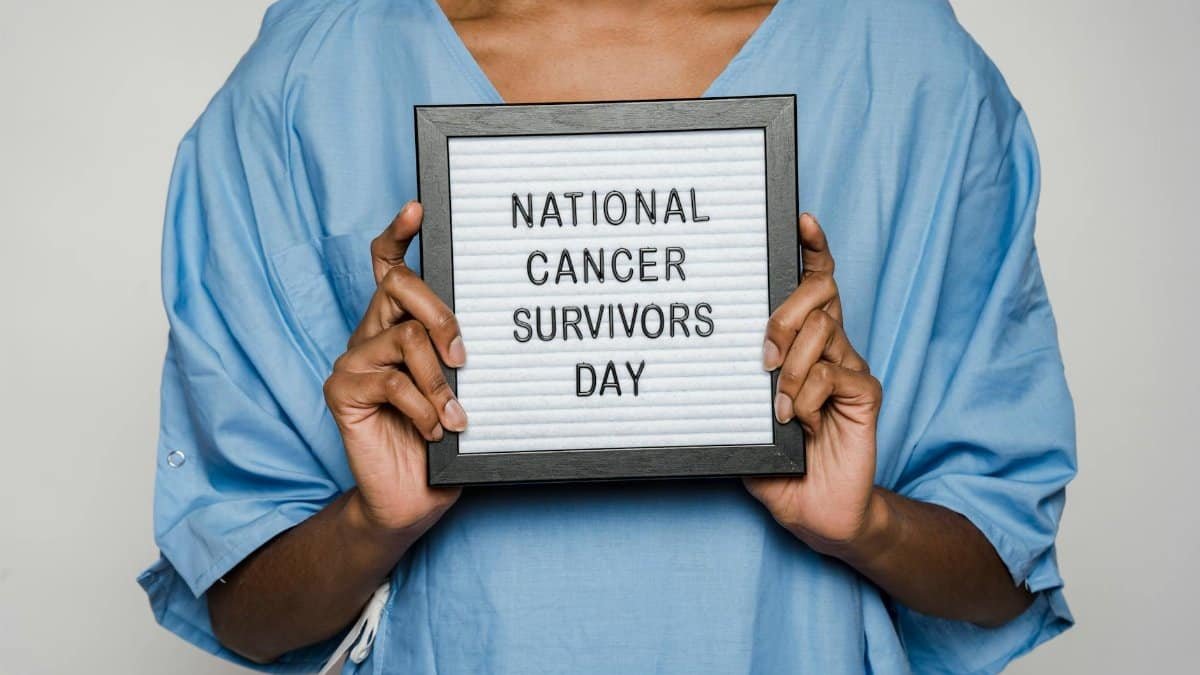
Accessibility poses a hurdle. Not all patients can trek outdoors due to mobility issues or weather. Tampa’s summer downpours often cancel sessions, prompting indoor alternatives like plant-filled atriums. Equity matters too—lower-income areas lack green spaces, exacerbating health disparities.
Then there’s skepticism from traditional medicine. “Is this evidence-based?” some doctors ask. Proponents point to meta-analyses showing consistent benefits, but more randomized trials are needed. To bridge gaps, hospitals train staff in facilitation, ensuring sessions are inclusive.
Community advocacy helps. Groups push for more urban forests, aligning with national movements for green equity. By addressing these barriers, forest bathing, Tampa wellness, and stress relief can reach broader audiences, turning potential obstacles into opportunities for growth.
Expert Insights on Long-Term Benefits

Dr. Maria Gonzalez, a psychiatrist at the University of South Florida, sees forest bathing as a preventive tool. “In 2025, with rising burnout rates, it’s essential for sustained well-being,” she says. Her work, informed by global studies, emphasizes cumulative effects—like enhanced cognitive function over time.
Environmental psychologists add that nature fosters awe, combating cynicism. One study from Stanford University linked outdoor immersion to greater empathy and life satisfaction. For Tampa’s aging population, this could mean healthier retirements, reducing healthcare burdens.
Yet, experts warn against overhyping. It’s a complement, not a cure-all. Integrating it thoughtfully ensures lasting impact, weaving it into daily routines for ongoing stress relief.
Looking Ahead: Expanding Access in Tampa

As word spreads, more facilities plan to adopt forest bathing. Partnerships with parks departments aim to create dedicated wellness trails. In 2025, virtual guides might broaden reach, blending tech with tradition.
Ultimately, this movement signals a cultural shift toward holistic health. By prioritizing nature, Tampa sets an example, inviting residents to rediscover calm amid chaos. It’s a reminder that sometimes, the best medicine grows on trees.