

A record 18 million Americans called in sick on February 9, 2026, the Monday after the Super Bowl, marking the highest number ever for so-called super bowl sick day. Workers across the nation played hooky, with many openly citing “emotional exhaustion” from the big game’s intensity rather than the classic hangover excuse. This surge highlights a shift in how employees justify post-game downtime, raising questions about workplace norms and mental recovery in high-stakes sports culture.
Record-Breaking Hooky Numbers
Eighteen million absences shattered previous benchmarks for the day after the Super Bowl. This figure represents a massive wave of employees dialing in—or not—with claims of needing a break. The scale underscores the event’s grip on American productivity, turning what was once dismissed as casual slacking into a national phenomenon. Employers faced empty desks from coast to coast, as the Super Bowl’s aftermath delivered its biggest workforce hit yet.
The Super Bowl Aftermath Hits Hard
February 9, 2026, dawned with phones lighting up HR inboxes. The Super Bowl, held the night before, left fans drained after hours of hype, plays, and drama. Playing hooky became the default response, with super bowl sick day evolving from urban legend to verified trend. This year’s turnout signals deeper cultural embedding of the event, where game day bleeds directly into the next morning’s workforce gap.
Emotional Exhaustion Emerges as Top Excuse
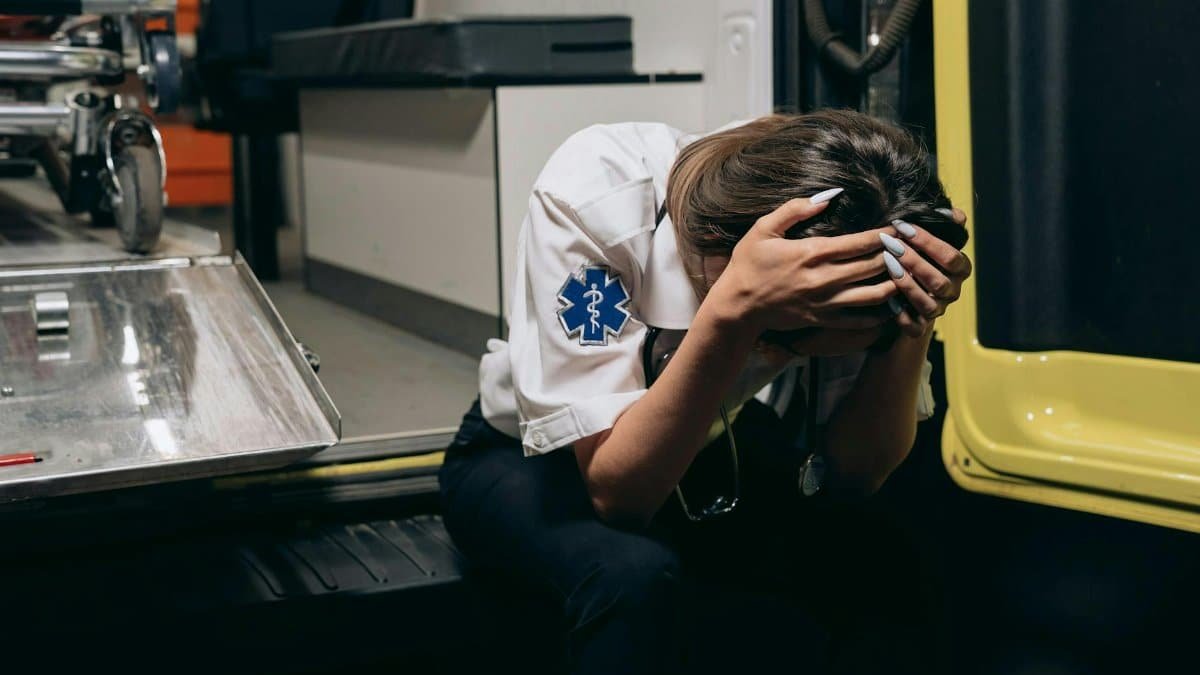
Forget the hangover story. Many workers pointed to “emotional exhaustion” as their reason for staying home. The term captures the mental toll of rooting through overtime thrillers, heartbreaking losses, or victory euphoria. This pivot reflects growing comfort in naming psychological fatigue over physical symptoms, aligning with broader U.S. conversations on mental health. It marks a subtle but telling evolution in how Americans frame recovery from entertainment highs.
Why “Emotional Exhaustion” Resonates

The phrase “emotional exhaustion” gained traction amid the post-game haze. Fans described the rollercoaster of tension, cheers, and letdowns as mentally taxing, akin to a marathon. By choosing this over alcohol-related alibis, absentees signaled awareness of emotional limits. This trend points to a workforce increasingly attuned to non-physical burnout, even in leisure contexts like the Super Bowl. It challenges old stereotypes of sick days as mere excuses.
Employers Grapple with the Surge

Businesses nationwide braced for super bowl sick day but still reeled from 18 million no-shows. Retailers, offices, and factories reported spikes in unplanned absences, straining schedules and output. HR teams fielded vague wellness claims, navigating policies on mental health days. The record tally amplifies calls for flexible post-event planning, as the Super Bowl’s shadow now reliably dims Monday productivity across sectors.
Shifting from Hangover to Mental Health

Historically, super bowl sick day excuses leaned on overindulgence. This year flipped the script, with “emotional exhaustion” dominating. The change mirrors U.S. trends toward validating mental strain, as seen in rising discussions around stress and recovery. Reports on workplace absenteeism, like those from the CDC’s stress resources, contextualize how emotional factors now rival physical ones in sick calls, especially after major events.
Cultural Impact of the Big Game
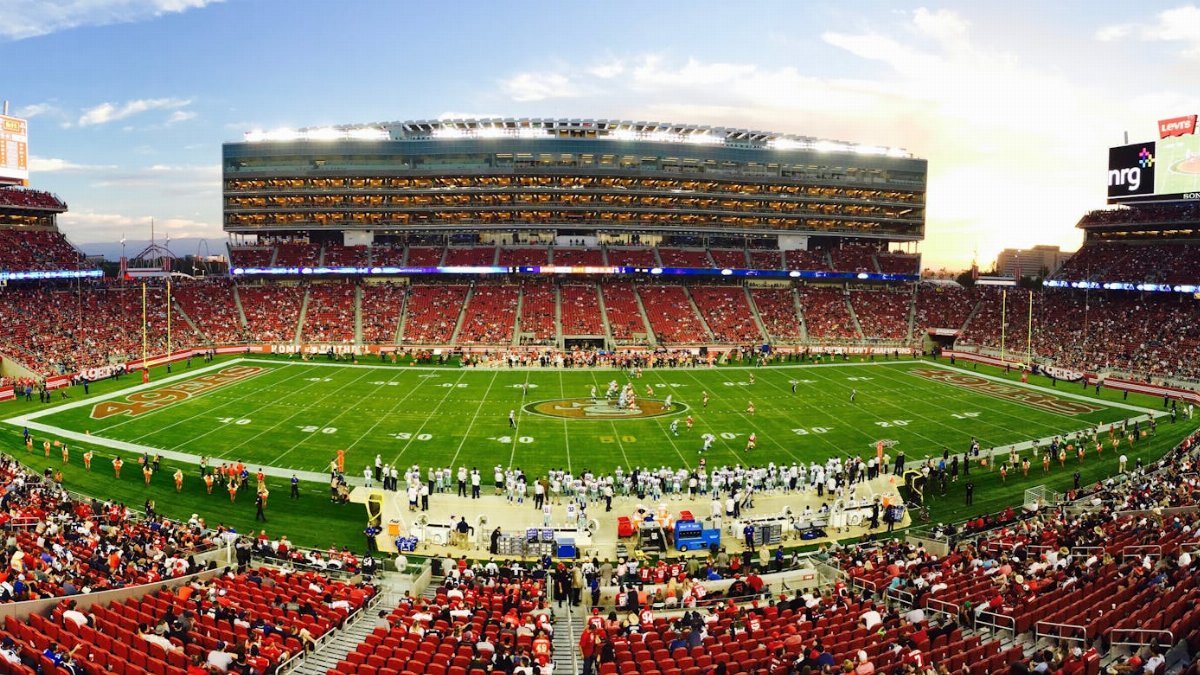
The Super Bowl transcends sports, fueling a collective ritual that demands decompression. Its 2026 edition amplified emotional investment through star performances and rivalries, priming the hooky wave. Eighteen million opting out illustrates the game’s role in national psyche, where shared viewing creates a hangover of the heart. This super bowl sick day peak cements the event as a productivity disruptor on par with holidays.
Lessons for 2026 Workplaces
As data rolls in from February 9, 2026, the 18 million figure prompts policy tweaks. Companies may eye incentives for game-day attendance or mental health buffers. Insights from HR groups, such as SHRM’s analysis of Super Bowl Mondays, suggest proactive messaging cuts absences. Emotional exhaustion claims highlight the need to blend fun-event planning with wellness support, ensuring the next super bowl sick day doesn’t overwhelm operations.