
A father scours the world for his missing son, trapped in a grief without end. That’s the raw heart of “Closure,” the Sundance documentary earning rave reviews for its unflinching dive into ambiguous loss. Premiering February 2, 2026, at the festival, the film captures the torment of searching without closure. Audiences praise its unvarnished honesty, turning personal agony into universal resonance. In a sundance closure that defies easy answers, it spotlights a pain too often ignored.
A Father’s Relentless Quest
The story centers on one man’s unyielding search for his son. Day after day, he pushes forward, driven by hope amid despair. This isn’t a tidy tale of resolution. Instead, “Closure” lays bare the daily grind of uncertainty. The father’s journey unfolds without dramatic breakthroughs, mirroring the reality for countless families. Sundance audiences connect deeply, calling it a mirror to their own hidden struggles. The film’s power lies in this persistence, refusing to sugarcoat the void.
Sundance Spotlight on Raw Emotion
At the 2026 Sundance Film Festival, “Closure” stands out amid the glamour. Critics hail it as heartbreaking, a standout for its authenticity. No Hollywood gloss here—just stark footage of a life on hold. The documentary premiered to packed houses, sparking immediate buzz. Reviewers note its ability to grip viewers, evoking tears and nods of recognition. This sundance closure moment elevates personal loss to festival acclaim, proving intimate stories pack the biggest punch.
Defining Ambiguous Loss

Ambiguous loss defies traditional mourning. It’s grief for someone physically absent but not confirmed dead—or emotionally gone while still present. “Closure” embodies this concept, showing how it erodes daily life. The father embodies the term, forever in limbo. For more on this psychological framework, see work by experts like APA’s coverage of ambiguous loss. The film makes it visceral, not abstract.
Unvarnished Look at Daily Torment
Directors capture the mundane horrors: empty rooms, unanswered calls, faded photos. No voiceover narration softens the blows. Viewers witness interviews raw with pain, silences heavy with what-ifs. This approach earns praise for authenticity. Sundance goers describe leaving screenings shaken, rethinking their own losses. The film’s strength? It forces confrontation without offering pat solutions. In 2026’s festival circuit, such honesty cuts through the noise.
Rave Reviews Pour In
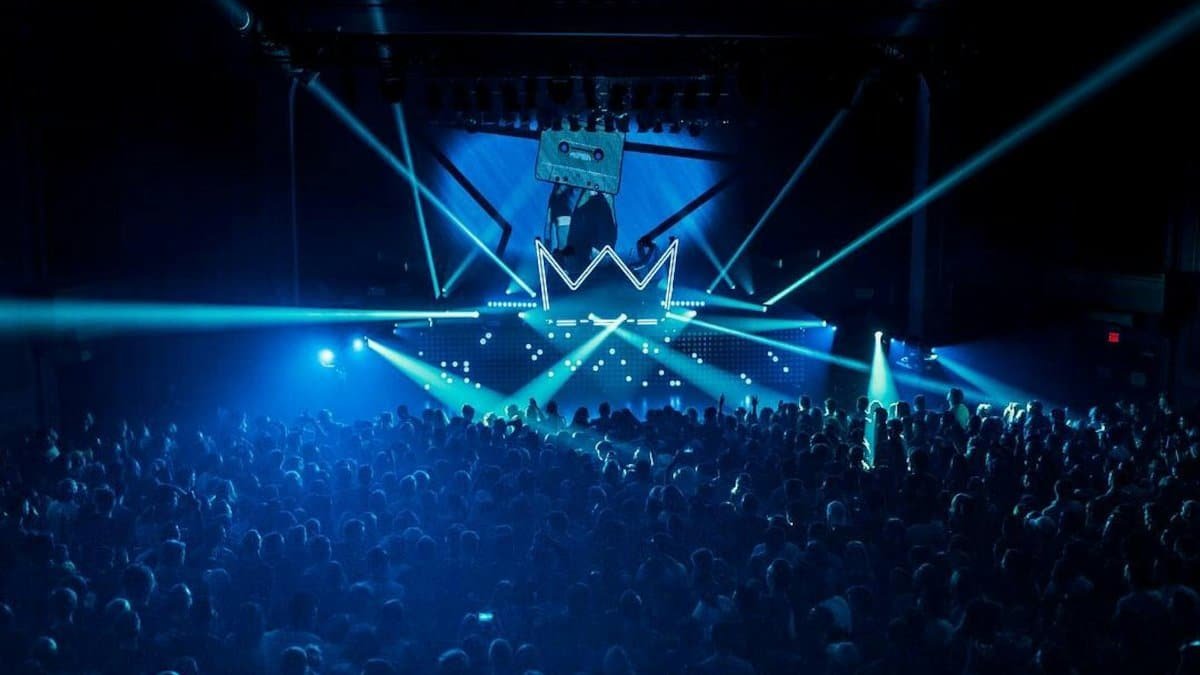
From opening night, accolades flowed. “Heartbreaking masterpiece,” one critic tweeted. Others laud its restraint, avoiding melodrama. The film’s reception underscores Sundance’s role in amplifying tough topics. Box office whispers suggest wide distribution ahead. For festival details, check the official Sundance site. “Closure” isn’t just reviewed—it’s revered for baring truths others shy away from.
Impact on Grief Conversations
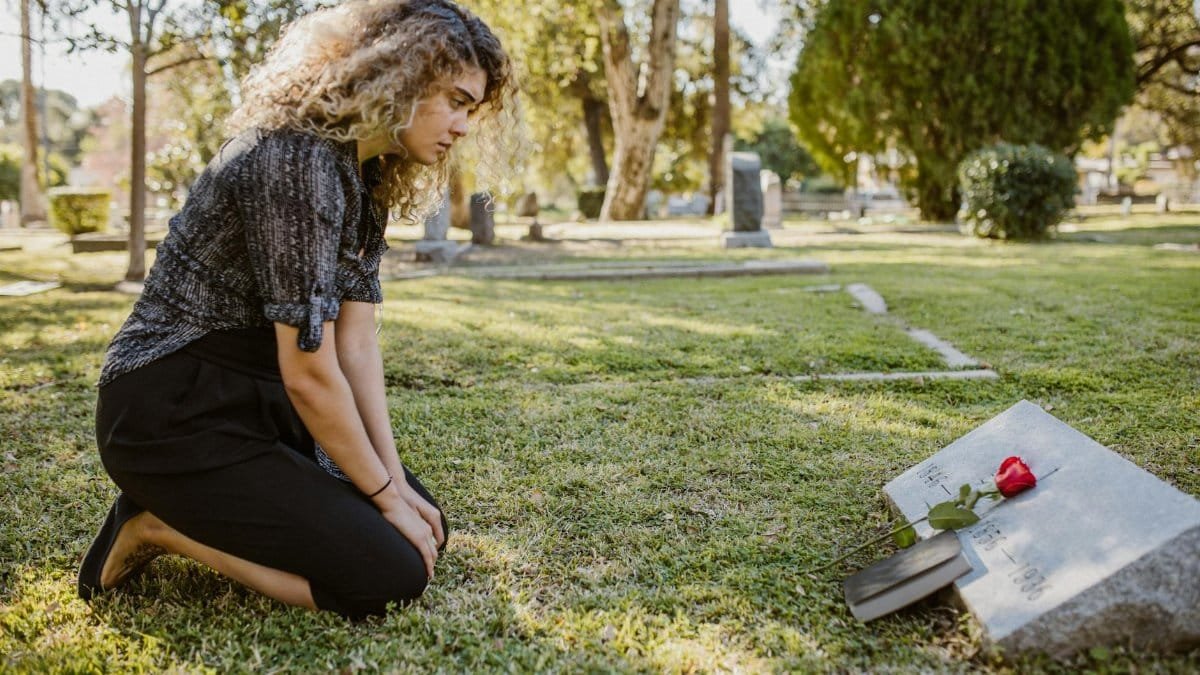
“Closure” reignites talks on missing persons and unresolved grief. Families of the vanished see their stories reflected. The documentary highlights how society overlooks this limbo. In the U.S., thousands endure similar fates yearly, per awareness groups. The film doesn’t quantify but humanizes, urging empathy. Sundance closure here means broader awareness, potentially aiding support networks. Viewers report it shifts their view of loss forever.
Why It Resonates Now

In 2026, amid global uncertainties, ambiguous loss feels timely. Pandemics, conflicts—many grapple with undefined absences. “Closure” taps this vein, making the father’s search a proxy for collective unease. Its unvarnished style amplifies urgency. Festival panels buzz with discussions on mental health ties. The doc proves cinema’s power to heal through exposure, even without resolution.
Behind the Lens: Festival Magic
Sundance has long championed docs that challenge. “Closure” fits perfectly, blending intimacy with impact. Premiere reactions confirm its staying power. Directors, tight-lipped on methods, let footage speak. The result? A film that lingers, prompting post-screening debates. This sundance closure entry cements the festival’s rep for bold voices. Expect awards chatter soon.
Lessons from the Screen
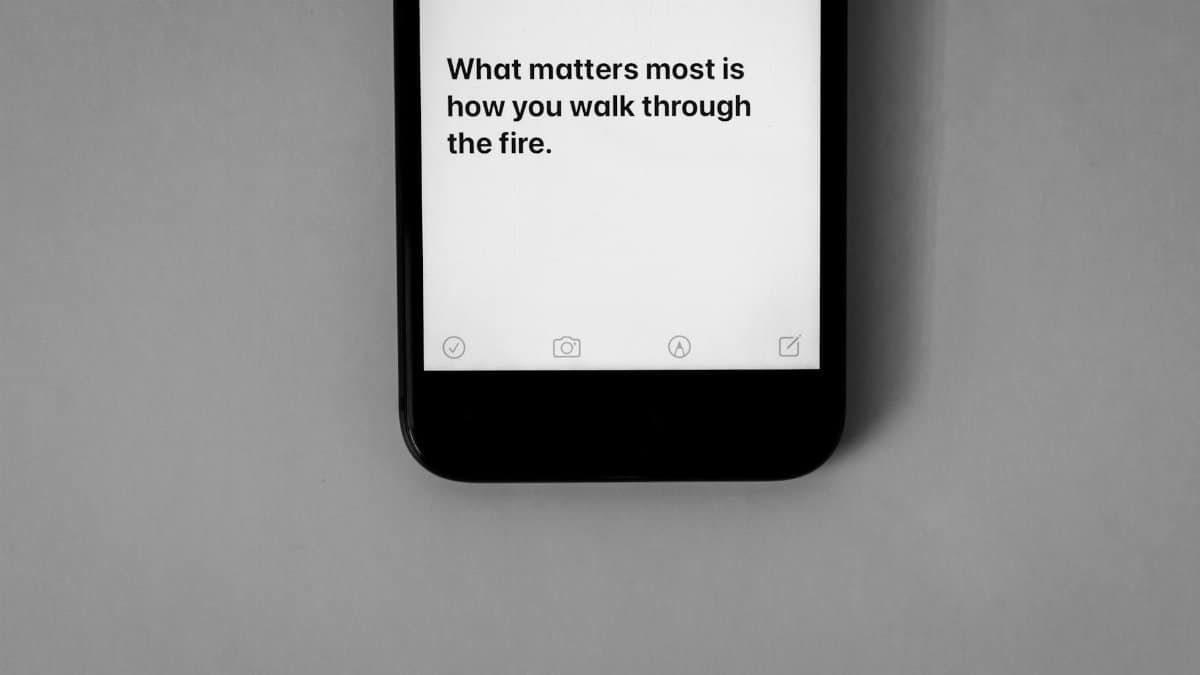
Key takeaway: Grief evolves without endpoints. The father’s resolve inspires, even as it aches. “Closure” teaches endurance amid ambiguity. It validates those in similar binds, saying their pain matters. Critics predict Oscar contention, but its true win is sparking dialogue. In a world craving answers, the film offers solidarity instead.
The buzz around “Closure” shows no sign of fading. As Sundance 2026 wraps, this documentary on a father’s search endures. Its look at ambiguous loss hits hard, earning raves for truth over triumph. For families waiting, it’s more than a film—it’s recognition.