
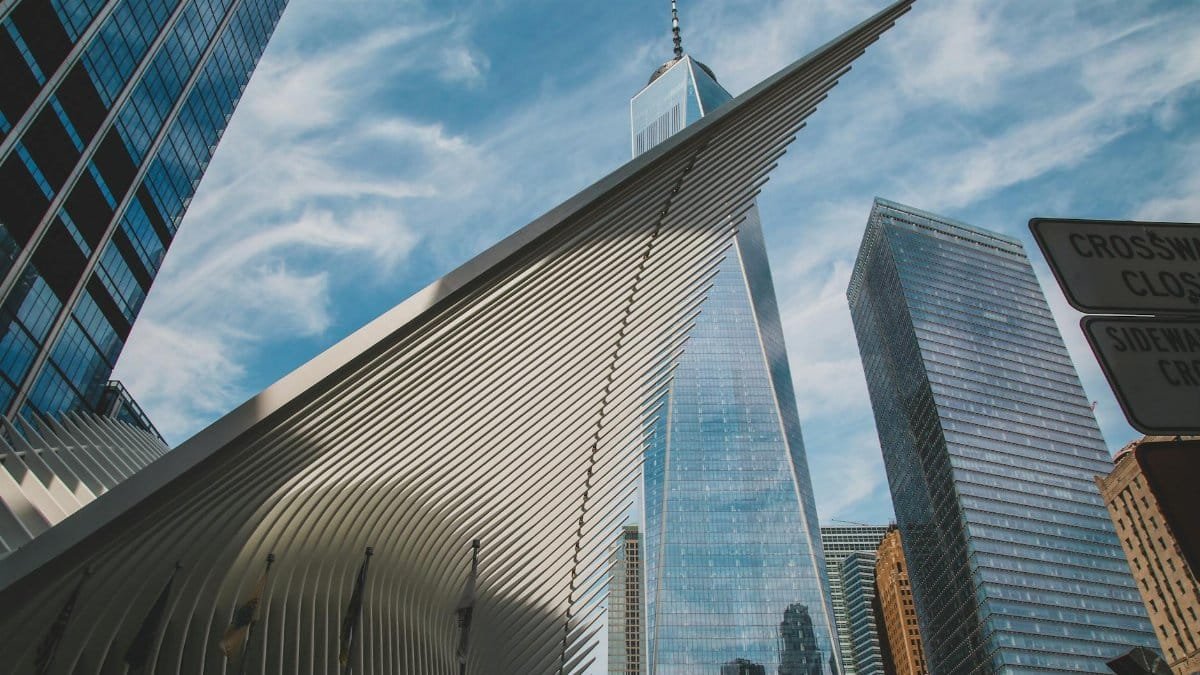
A recent survey from the American Psychological Association found that 62% of U.S. workers report high levels of stress, up from 50% just five years ago, with New Yorkers leading the pack amid the city’s relentless pace. This spike has fueled a quiet revolution in how employees cope, turning to practices that promise what many call “breathing clarity calm”—a state of mental sharpness and serenity achieved through intentional breathwork. As forecasts predict a surge in these techniques among New York professionals by 2025, it’s worth examining why this trend is gaining traction. Far from a fleeting fad, breathwork is emerging as a practical tool for navigating workplace demands, backed by growing evidence of its benefits for focus and emotional balance.
The Roots of Breathwork in Modern Work Life

Breathwork, at its core, draws from ancient traditions but has been repackaged for today’s high-stakes environments. In bustling offices from Midtown Manhattan to Brooklyn tech hubs, employees are discovering that simple breathing exercises can cut through the fog of endless meetings and deadlines. Consider a mid-level manager in a financial firm who starts her day with a five-minute routine of deep, rhythmic inhales—suddenly, the chaos feels manageable. This isn’t mere relaxation; it’s about harnessing breath to foster clarity and calm, a concept that’s resonating deeply as remote work blurs boundaries between professional and personal life.
Studies support this shift. Research from Harvard Medical School highlights how controlled breathing activates the parasympathetic nervous system, reducing cortisol levels and enhancing cognitive function. One anonymized account from an online forum captured it vividly: a user described feeling “like the static in my brain finally tuned to a clear signal” after incorporating breathwork during lunch breaks. Such stories underscore a broader movement, where New Yorkers, known for their grit, are embracing vulnerability in pursuit of mental resilience.
Yet, it’s not all straightforward. Breathwork’s rise coincides with economic pressures, where longer hours leave little room for self-care. As 2025 approaches, experts anticipate more companies integrating these practices into wellness programs, recognizing their role in preventing burnout.
Why New York Leads the Charge

New York City’s unique blend of ambition and intensity makes it a hotspot for breathwork adoption. The subway rush, the skyscraper shadows, the constant hum of ambition—all amplify stress, pushing residents toward solutions that fit into packed schedules. A report from the New York State Department of Health notes that urban dwellers here experience 20% higher anxiety rates than the national average, creating fertile ground for practices promoting breathing clarity calm.
Picture a group of young professionals in a Lower East Side co-working space, pausing between Zoom calls for a guided breathing session via an app. One participant, a graphic designer, shared in a casual chat how it transformed her afternoons: “It’s like hitting reset without leaving my desk.” This grassroots enthusiasm is backed by data; a Pew Research Center analysis on mental health trends shows increasing interest in mindfulness tools among city workers, with breathwork cited as accessible and effective.
The prediction for growth stems from workplace initiatives. Firms like Google and local startups are piloting breathwork workshops, aiming to boost productivity. As the city recovers from pandemic-era disruptions, this focus on calm amid chaos feels particularly timely.
Science Behind the Serenity

Delving into the mechanics, breathwork influences the body’s autonomic responses in profound ways. When you slow your breath, oxygen flow improves, quieting the amygdala—the brain’s fear center—and sharpening prefrontal cortex activity for better decision-making. This leads to what practitioners term breathing clarity calm, a harmonious state where thoughts align without overwhelm.
A landmark study published in the Journal of the American Medical Association explored this, finding that participants in breath-focused interventions reported 30% reductions in perceived stress after eight weeks. Link that to New York’s forecast: with employee turnover costing businesses billions, as detailed in a American Psychological Association workplace stress resource, breathwork could emerge as a cost-effective antidote.
Not every session yields instant results, though. Some find the initial focus challenging, like trying to meditate in a noisy cafe. Yet, persistence pays off, as evidenced by neuroscientific scans showing sustained practice rewires neural pathways for lasting calm.
Challenges in Adoption

Despite the buzz, barriers persist. Skepticism runs high in a city that prizes hustle over pause; one executive might dismiss breathwork as “woo-woo” until a deadline crunch proves otherwise. Accessibility issues compound this—free resources exist, but premium apps and classes can cost upwards of $100 monthly, pricing out lower-wage workers.
Cultural stigma plays a role too. In male-dominated fields like finance, admitting to needing breathing clarity calm might feel like weakness. A brief snapshot from a public online discussion illustrates: “I hid my breath breaks in the bathroom at first, worried about judgment,” one contributor admitted anonymously. Overcoming this requires education, perhaps through employer-led sessions that normalize the practice.
Forecasts suggest that by 2025, as hybrid work solidifies, these hurdles could diminish with broader acceptance, driven by visible success stories.
Practical Techniques for Everyday Use
Getting started doesn’t require a guru or studio. Basic methods like the 4-7-8 technique—in for four counts, hold for seven, out for eight—can induce breathing clarity calm in minutes. Employees in New York’s fast-paced sectors adapt this for commutes or coffee runs, turning mundane moments into mindfulness opportunities.
Imagine a teacher in Queens, juggling lesson plans and parent emails, who uses box breathing to steady her nerves before class. It works by squaring the breath cycle, promoting focus. Supporting evidence comes from the National Center for Biotechnology Information study on breathing exercises, which links such practices to improved emotional regulation.
Variety keeps it fresh: alternate nostril breathing for clarity, or diaphragmatic inhales for calm. The key is consistency, integrating it seamlessly into routines without adding pressure.
Impact on Productivity and Well-Being
The ripple effects extend beyond individuals. Companies adopting breathwork report fewer sick days and higher engagement, according to a CDC workplace health promotion guide. In New York, where burnout claims are rising, this could translate to economic gains—think retained talent in competitive industries.
On a personal level, it fosters deeper connections. A marketing team lead recounted how group breath sessions built empathy, easing tensions during high-stakes projects. This communal aspect amplifies breathing clarity calm, turning solitary practice into shared resilience.
As 2025 unfolds, with studies predicting a 25% uptick in usage, the emphasis shifts from survival to thriving in demanding roles.
Broader Societal Shifts

Breathwork’s rise mirrors wider wellness trends, intersecting with movements like digital detox and sustainable living. In a post-pandemic world, New Yorkers are reevaluating priorities, seeking tools that restore balance without uprooting lives.
This evolution challenges old narratives of success through exhaustion. Instead, breathing clarity calm positions rest as strategic, not indulgent. Experts from institutions like NYU anticipate integration into public health campaigns, potentially influencing policy on mental health support.
Yet, equity remains a concern—ensuring diverse communities access these benefits could define the trend’s legacy.
Looking Ahead with Measured Optimism
Predictions aren’t guarantees, but the momentum is undeniable. As New York employees embrace breathwork, the pursuit of breathing clarity calm could redefine urban work culture. It’s a reminder that amid skyscrapers and subways, the simplest act—breathing—holds transformative power.
Whether through apps, workshops, or solo moments, this practice invites a pause, fostering not just calm, but a clearer path forward in an ever-accelerating world.