

Introduction

Is your daily grind secretly killing your vibe? In Phoenix, where scorching heat and urban hustle amp up stress levels, locals are turning to energy harmony flow to reclaim calm and resilience. But bizarre habits—from endless scrolling to skipping movement breaks—are derailing these efforts, leaving many feeling drained instead of energized. Experts say disrupting this natural balance sabotages happiness, turning potential bliss into burnout. As 2025 kicks off, understanding these pitfalls could be the game-changer for better living.
Understanding Energy Harmony Flow

Energy harmony flow draws from ancient yoga principles, blending breathwork, movement, and mindfulness to align the body’s vital forces. It’s not just woo-woo talk; practitioners in Phoenix report sharper focus and reduced anxiety. A study from the University of Arizona highlights how such practices lower cortisol levels, promoting emotional stability. But when habits clash with this flow, the benefits evaporate fast. Think of it as a river: block it, and everything downstream suffers.
The Scroll Trap: Digital Overload’s Toll

Endless social media sessions might seem harmless, but they fracture energy harmony flow by bombarding the mind with constant stimuli. In Phoenix, where remote work blurs boundaries, residents often doom-scroll late into the night, spiking stress hormones. Research from the American Psychological Association shows screen addiction correlates with poor sleep and heightened irritability, directly undermining happiness. Breaking this cycle requires setting strict tech curfews to restore natural rhythms.
Skipping Movement: The Sedentary Saboteur

Sitting for hours at a desk or couch stifles the body’s energy channels, a common issue in car-dependent Phoenix. Yoga experts warn that immobility creates stagnation, leading to fatigue and mood dips. A report by the Centers for Disease Control and Prevention links sedentary lifestyles to increased depression risks. Incorporating short walks or yoga flows can reignite harmony, turning sluggish days into vibrant ones.
Emotional Eating’s Hidden Drain

Grabbing junk food during stress peaks disrupts digestive energy, throwing off overall balance. Phoenix’s fast-food scene tempts many, but this habit spikes blood sugar crashes that mimic emotional lows. Nutritionists note it hampers mindfulness, a core of energy harmony flow. Studies from Harvard’s T.H. Chan School of Public Health emphasize balanced eating for mental clarity, suggesting mindful meals to counter sabotage and boost daily joy.
Ignoring Breath: The Overlooked Essential

Shallow breathing in high-stress moments blocks energy pathways, a subtle yet potent happiness killer. In bustling Phoenix, traffic jams and deadlines often lead to this oversight. Breathwork techniques, integral to yoga, can realign flow swiftly. Evidence from the National Institutes of Health supports deep breathing for reducing anxiety, proving it’s a quick fix to combat sabotage and foster resilience in 2025’s demanding pace.
Social Isolation’s Energy Block

Withdrawing from connections creates emotional voids, halting the communal aspect of energy harmony flow. Phoenix’s sprawl can exacerbate loneliness, especially post-pandemic. Community yoga classes are rising as antidotes, fostering bonds that enhance well-being. Pew Research data reveals social ties correlate with happiness, urging people to ditch isolation habits for group activities that recharge collective energy.
Perfectionism’s Relentless Pressure
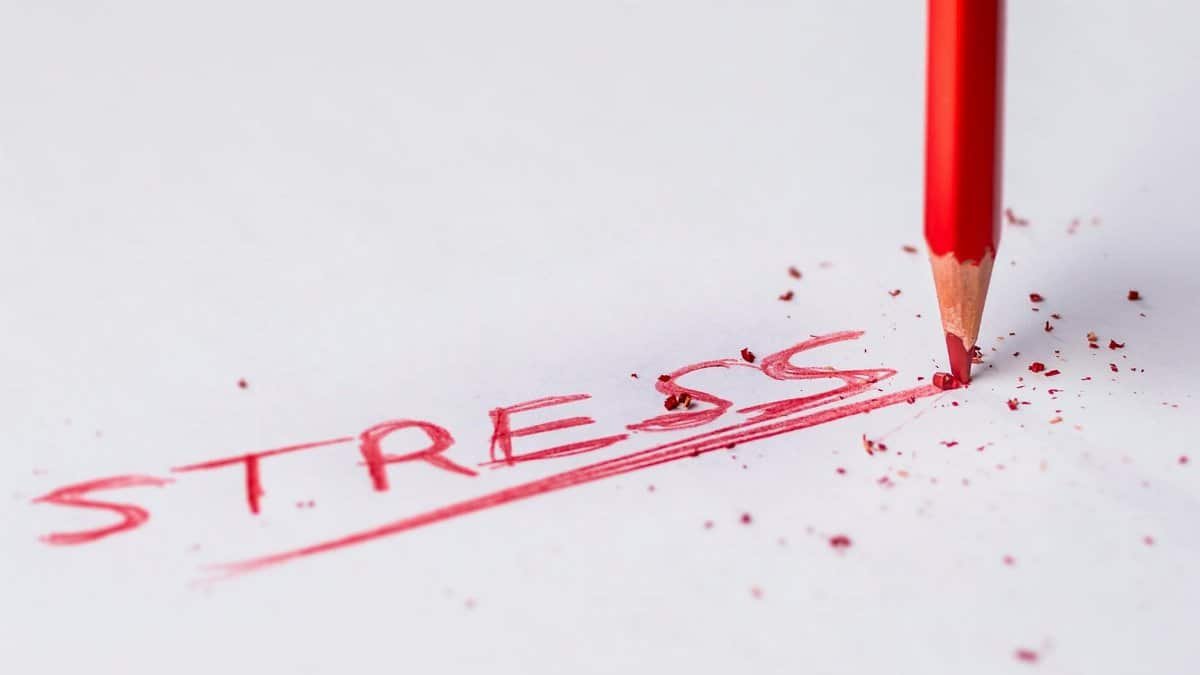
Chasing flawless outcomes strains mental energy, sabotaging flow with constant self-criticism. In achievement-oriented Phoenix circles, this habit breeds exhaustion. Mindfulness advocates push for acceptance to restore balance. A Yale study on perfectionism links it to burnout, recommending yoga’s non-judgmental approach to break the cycle and unlock authentic happiness.
Overcommitting: The Schedule Overload

Packing days with too many tasks fragments energy, leaving no room for recovery. Phoenix professionals often fall into this trap, juggling work and family amid desert commutes. Time management experts advise prioritizing rest to maintain harmony. Insights from the Mayo Clinic stress the dangers of chronic busyness, promoting boundaries to prevent sabotage and sustain calm.
Reclaiming Your Flow: Practical Steps

To counter these habits, start small: integrate daily yoga sessions, limit screens, and prioritize connections. Phoenix studios are seeing a surge in energy harmony flow classes, helping locals build resilience. As trends evolve in 2025, embracing these changes could transform sabotage into strength, leading to lasting happiness.