

Are you your own worst enemy? On January 8, 2026, in New York City, beauty powerhouse Sol de Janeiro fired the latest shot in the battle against harsh self-criticism. The brand unveiled “Inner Monologue, Rewritten,” a sweeping mental health campaign urging millions to silence negative self-talk. This bold push frames inner monologue as a battleground where personal narratives can shift from sabotage to support, marking a pivotal moment in wellness trends.
Sol de Janeiro’s Big Leap

Sol de Janeiro, long a leader in the beauty industry, stepped firmly into mental health territory with this launch. Known for vibrant, body-positive products, the brand now targets the mind. The campaign arrives amid rising awareness of how daily thoughts shape well-being. By tying beauty rituals to mindset shifts, Sol de Janeiro positions itself at the intersection of glamour and emotional resilience. Industry watchers see this as a strategic pivot, leveraging the company’s massive reach to amplify a universal struggle.
Launch Day in New York

The announcement hit New York on January 8, 2026, a hub for fashion and media. Sol de Janeiro chose the city to maximize visibility, drawing influencers, press, and everyday consumers. The event highlighted the campaign’s core message: rewrite the inner voice that undermines confidence. Live demos and testimonials underscored the immediacy of change. This urban rollout signals the brand’s intent to make mental health as accessible as their signature scents.
Unpacking “Inner Monologue, Rewritten”

The campaign title captures its essence. “Inner Monologue, Rewritten” calls out the constant internal chatter—often negative—that erodes self-worth. Sol de Janeiro challenges users to edit this script, replacing criticism with affirmation. Tools like app prompts, social challenges, and product tie-ins aim to make the process tangible. It’s not abstract therapy; it’s actionable, woven into beauty routines for daily reinforcement.
The Grip of Negative Self-Talk

Negative self-talk acts as a silent saboteur, fueling doubt and stress. Sol de Janeiro’s campaign spotlights this as a widespread issue, challenging millions trapped in cycles of self-doubt. Health experts recognize its role in broader mental health patterns, linking it to anxiety and low mood.Harvard Health Publishing details how such thoughts amplify stress, underscoring the campaign’s timely intervention. Sol de Janeiro reframes it as conquerable through deliberate rewiring.
Challenging Millions Directly

Scale defines this effort. Sol de Janeiro boasts a global fanbase, positioning the campaign to reach millions instantly via social media and retail channels. The provocative hook—”Are you your own worst enemy?”—invites personal reflection. Users are prompted to audit their inner dialogue, then rewrite it with brand-backed affirmations. This mass appeal turns a private struggle into a collective movement, fostering community around vulnerability.
Beauty Meets Mindset
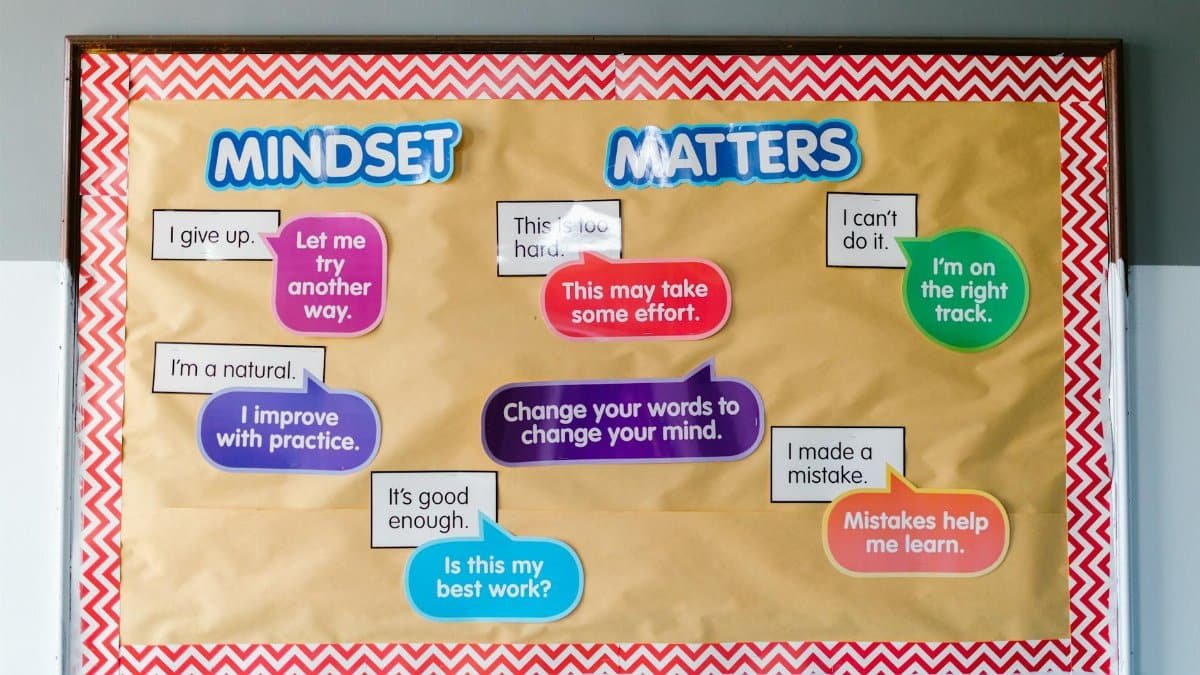
Why a beauty giant? Sol de Janeiro argues self-perception ties directly to appearance rituals. Negative inner monologue clashes with their body-celebration ethos. The campaign integrates mental shifts into product moments—like applying lotion while affirming worth. This fusion appeals to consumers blending physical and emotional care. In 2026 U.S. trends, such holistic approaches gain traction, as wellness expands beyond gyms into daily indulgences.
Rewriting for Real Impact

Action drives the campaign. Participants log negative thoughts, then counter them with positives. Sol de Janeiro supplies content like videos and journals. The American Psychological Association highlights self-talk’s power in reshaping behavior.APA’s coverage on positive self-talk aligns closely, showing cognitive tweaks yield lasting mood boosts. Here, it’s democratized for the masses, no therapist required.
2026 Wellness Shift
This launch accelerates inner monologue awareness in 2026. Sol de Janeiro’s move reflects broader U.S. cultural pivots toward mental fitness. With economic pressures and social media scrutiny, stopping self-sabotage resonates. The campaign’s viral potential could redefine beauty marketing, prioritizing inner glow over outer perfection. Early buzz suggests it will dominate conversations, empowering users to claim narrative control.
Call to Action Nationwide

Sol de Janeiro invites immediate engagement. Visit their platforms for starter kits and challenges. The message lands hard: rewrite now, thrive later. As New York buzz spreads coast-to-coast, millions face the mirror—and their minds. This isn’t fleeting hype; it’s a sustained push against the inner critic, promising a kinder 2026 for self-perception.