
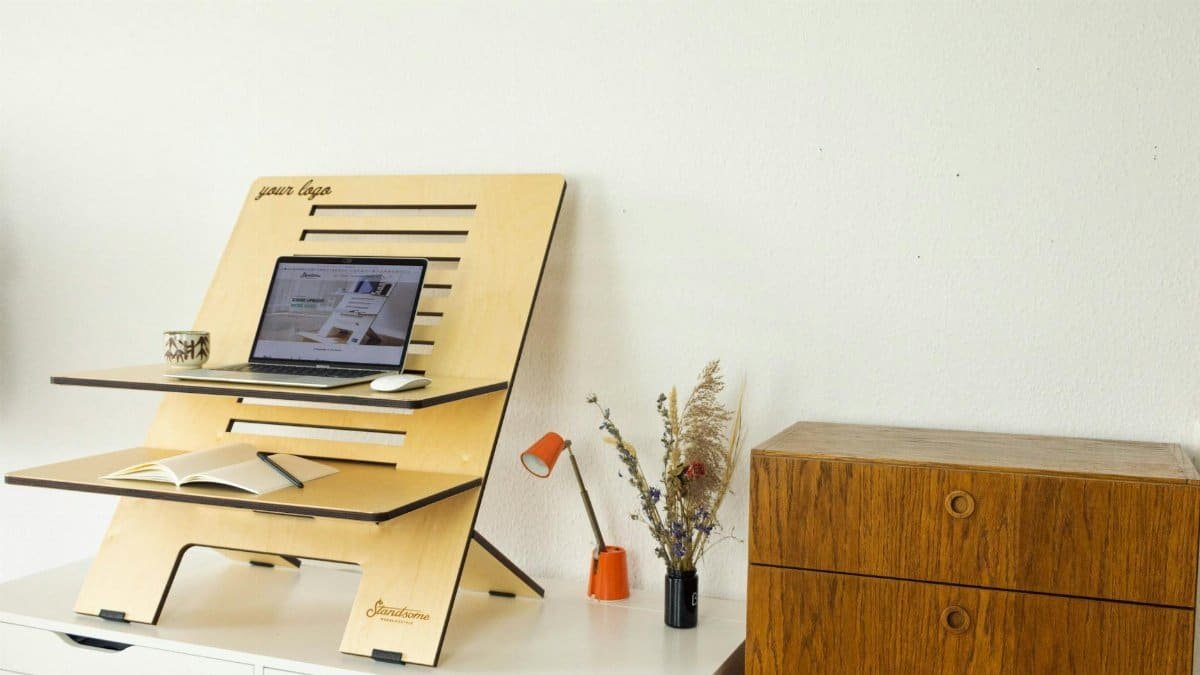
Many professionals have grown tired of sitting for hours on end while meeting the demands of their careers. They seek solutions that allow them to remain productive while caring for their bodies. This desire has fueled the walking desk trend which combines a treadmill with a standing desk surface allowing users to walk at a slow pace while typing answering calls or reading documents. What began as a niche product for fitness enthusiasts has now entered the mainstream of home office equipment. Sales figures show a remarkable increase over the past year with manufacturers reporting triple the demand compared to previous periods. For middle aged workers in particular these devices offer a practical way to address the creeping effects of a sedentary lifestyle.
The Growing Popularity Among Remote Workers

Remote work has transformed countless home offices yet it has also created an environment where people rarely stand let alone move. The shift away from traditional workplaces eliminated the natural steps once taken to reach a conference room or grab lunch with colleagues. In response sales of treadmill equipped desks have climbed sharply. Industry reports indicate that orders doubled in recent quarters as professionals search for seamless ways to add movement to their days.
These setups appeal especially to those in their forties and fifties who feel the accumulated impact of years spent at desks. Rather than committing to intense gym sessions after work many now prefer consistent low level activity throughout the day. The equipment allows them to accumulate thousands of steps without carving out extra time from already full schedules.
Connecting Body And Mind During Work Hours
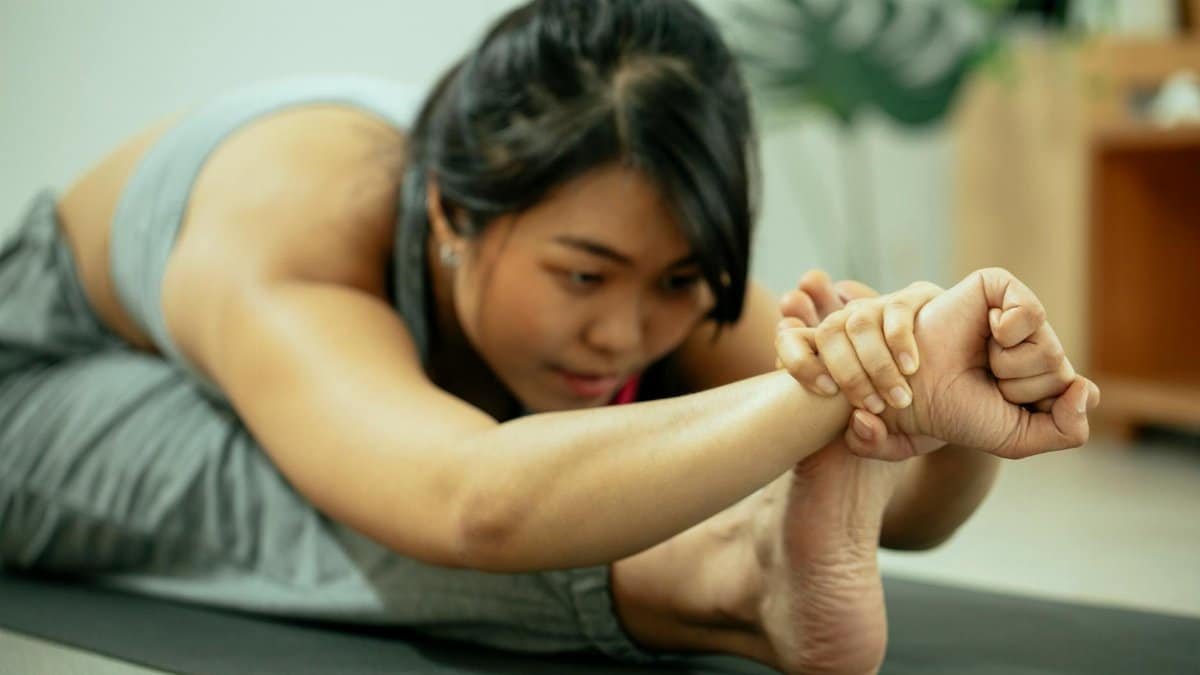
One of the more intriguing aspects of this development lies in its effect on mental states. Users frequently describe entering a calm focused rhythm once they adjust to the gentle pace. The combination of light physical motion and cognitive tasks seems to quiet mental chatter in ways that pure sitting rarely achieves. This alignment of physical action with mental effort echoes longstanding spiritual practices that treat the body as integral to awareness rather than an obstacle to it.
Many in this age group report that the subtle movement helps regulate mood during stressful projects. The steady rhythm can prevent the mid afternoon energy crash that once sent them reaching for coffee or snacks. In an era when burnout concerns run high this gentle integration of motion offers a form of daily renewal.
What Research Reveals About Movement And Productivity

Studies continue to support the value of incorporating movement during work. Research conducted at Stanford University found that walking contributed to significantly higher creative output compared with sitting sessions. Participants generated more novel ideas while walking than when seated at traditional desks. (https://www.gsb.stanford.edu/insights/walking-meetings-can-increase-creativity)
Additional findings from the Mayo Clinic suggest that replacing even two hours of sitting with light activity improves metabolic markers and reduces fatigue. These results have caught the attention of both individual workers and forward thinking companies looking to support remote teams. The evidence indicates that the brain functions more efficiently when the body remains lightly engaged rather than static.
Drawing Inspiration From Spiritual Traditions Of Walking

The idea of walking as a path to clarity is hardly new. Many spiritual traditions have long used mindful movement as a form of prayer or meditation. Christian labyrinth walks Zen kinhin practice and Native American vision quests all recognize that deliberate steps can open the mind and spirit. The walking desk trend brings a version of this wisdom into contemporary workspaces though most users initially adopt it for physical rather than spiritual reasons.
Over time however many discover unexpected depth in the practice. The repetitive motion creates space for reflection that feels different from forced meditation sessions. For middle aged individuals navigating questions of purpose career transitions and family responsibilities this steady forward movement can become a form of active contemplation.
Real Experiences From Those Who Have Adopted The Practice

Sarah Thompson a marketing consultant in Chicago began using a walking desk two years ago after experiencing back pain that traditional standing desks failed to relieve. She now logs an average of seven thousand steps during her workday and says her energy levels remain consistent from morning until evening. Clients have commented that she sounds more engaged during calls.
Similar stories emerge from across the country. A financial advisor in Denver reported that his chronic lower back discomfort diminished within weeks. A teacher turned curriculum developer in Atlanta found that the movement helped her process complex material more effectively. These accounts share a common theme: the change feels sustainable because it requires no additional time beyond what work already demands.
Navigating The Learning Curve With New Equipment
New users often face an adjustment period. Typing while walking demands coordination that feels awkward at first. Most recommend beginning with very slow speeds around one mile per hour and limiting sessions to twenty minutes before gradually increasing duration. Voice to text software can ease the transition for those whose roles involve heavy writing.
Proper setup matters as well. The desk surface should sit at a height that allows relaxed shoulders and the treadmill belt needs sufficient width to prevent tripping. Once these details are mastered the activity begins to feel natural. Many compare it to learning to drive a car where initial self consciousness eventually gives way to automatic competence.
Economic Factors Driving The Trend Forward
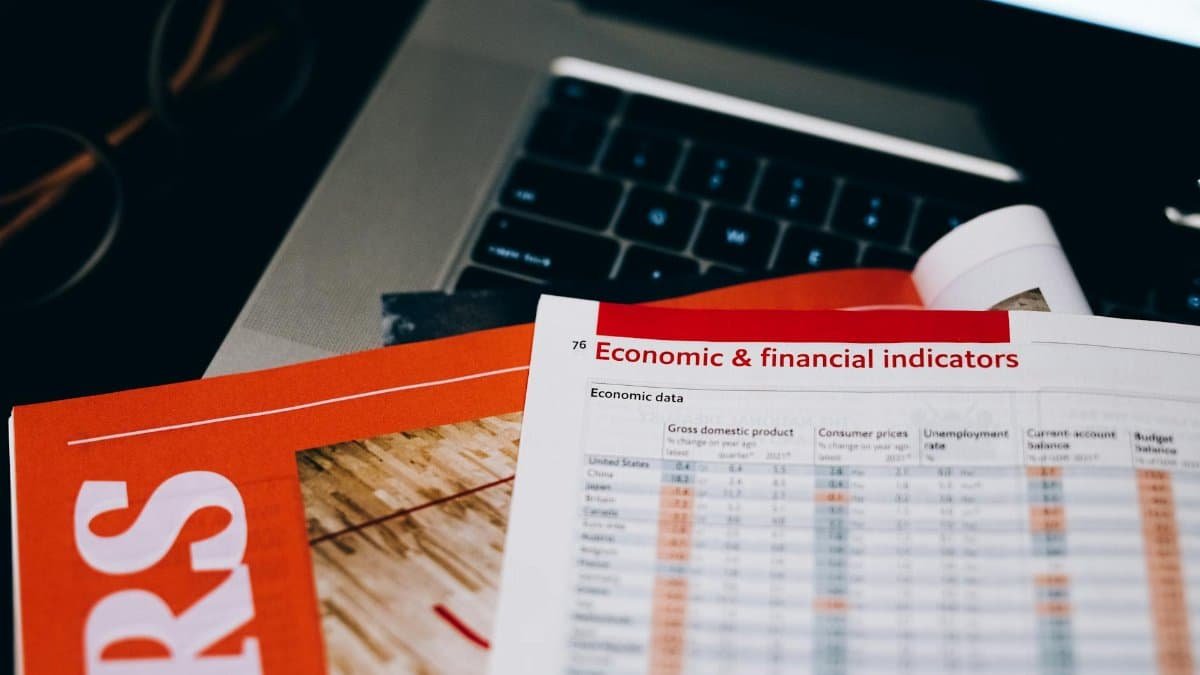
Prices for quality models range from eight hundred to several thousand dollars yet many buyers view them as investments rather than expenses. Reduced healthcare costs fewer sick days and sustained productivity can offset the initial outlay over time. The market has responded with more options including modular systems that allow people to add treadmill components to existing standing desks.
Smaller brands compete with established fitness companies by emphasizing minimalist designs that blend with home decor. This accessibility has helped move the equipment beyond early adopters into wider circles. Consumer reviews frequently highlight how the devices pay for themselves through improved focus and reduced need for ergonomic specialists or physical therapy.
How This Fits Into Broader Wellness Movements

The walking desk trend aligns with a larger cultural shift toward holistic approaches to health that refuse to separate mental physical and even spiritual dimensions. Rather than treating exercise as something confined to gyms or weekends people now seek to weave movement into the fabric of daily existence. This mirrors spiritual teachings that emphasize presence in ordinary activities rather than seeking transformation only in designated sacred spaces.
Wellness influencers and health coaches increasingly recommend these setups as tools for embodied living. The trend resonates particularly with those exploring mindfulness based stress reduction or other practices that view the body as a site of awareness. In this context the walking desk becomes more than office furniture. It serves as a daily reminder that movement nurtures the whole person.
Addressing Concerns About Distraction And Focus
Skeptics worry that walking during work might scatter attention or reduce output on detailed tasks. Early research however paints a different picture. A review of available data published by the British Journal of Sports Medicine found that light treadmill use during cognitive work rarely impairs performance and often enhances it particularly for tasks requiring verbal fluency. (https://bjsm.bmj.com/content/53/24/1556)
Users learn which activities pair well with movement and which benefit from seated focus. Creative brainstorming and email responses often thrive during walking while complex spreadsheet analysis may call for stillness. This ability to match movement levels to task demands represents a form of self knowledge that many find empowering.
The Potential For Long Term Health Improvements
Health organizations have warned for years about the dangers of prolonged sitting. The walking desk trend offers one practical countermeasure that fits within existing routines. Regular light movement throughout the day supports cardiovascular health helps regulate blood sugar and contributes to modest calorie expenditure that can prevent gradual weight gain.
For readers in their middle years these benefits carry special significance. The approach requires no dramatic lifestyle overhaul yet delivers cumulative advantages that compound over decades. Many physicians now suggest such solutions alongside traditional exercise recommendations recognizing that consistency matters more than intensity for sustainable change.
Looking Ahead To Innovations In Active Furniture
Designers are already exploring smarter versions of these workstations. Some models sync with fitness trackers to suggest optimal walking intervals based on heart rate variability. Others incorporate subtle elevation changes to engage different muscle groups. As the technology matures integration with virtual meeting platforms may allow participants to move during calls without causing motion sickness for viewers.
The trend points toward a future where workspaces actively encourage rather than discourage movement. This evolution could reshape not only individual health but also organizational culture around productivity and well being. What seems novel today may become standard practice tomorrow as society continues to reconcile the demands of modern work with the fundamental human need to move.
The walking desk trend represents more than a passing fad in office equipment. It signals a deeper recognition that bodies and minds function best when they work together. For a generation that has witnessed the limitations of purely sedentary careers these tools offer an accessible path toward greater vitality clarity and balance. As more people discover the benefits the sight of colleagues quietly walking through their afternoons may soon seem as ordinary as sitting at a desk once did.