
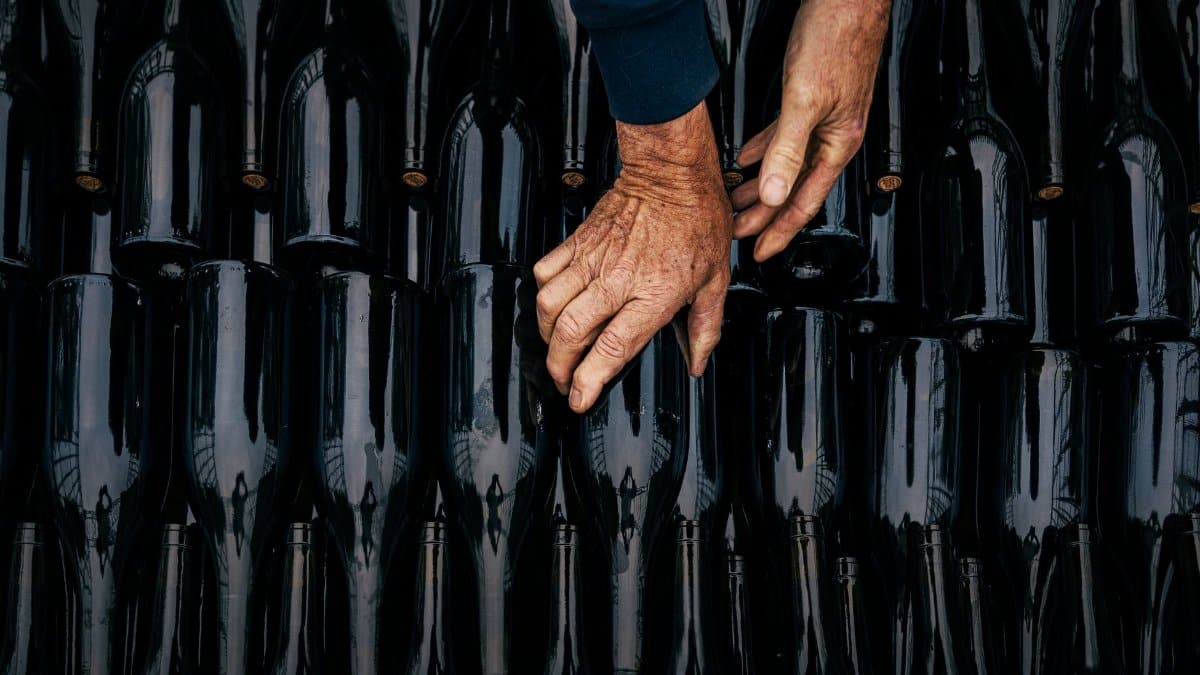
In the rolling hills near the shores of Lake Michigan rows of grapevines catch the afternoon light as workers move between the plants checking clusters that have ripened under a mix of sun and cool breezes. This setting captures the quiet rise of Michigan wine country where local growers have spent years refining their craft to produce bottles that now draw visitors from nearby cities and beyond.
Maturing vineyards reshape local identity
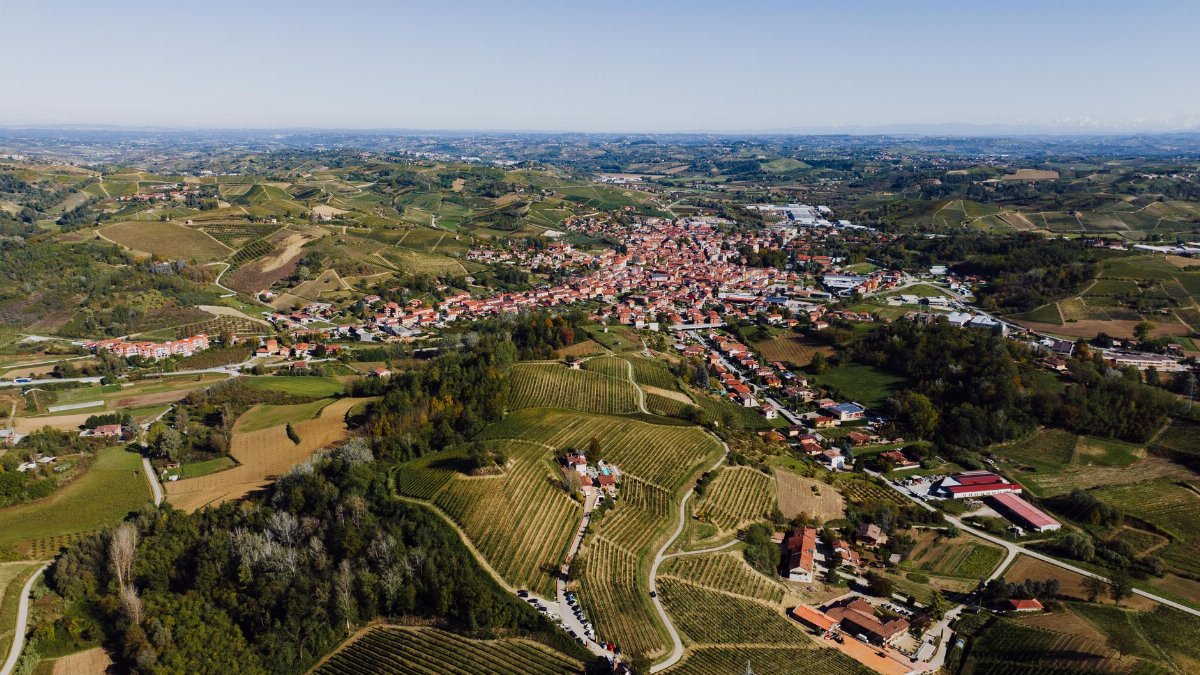
Decades of experimentation have allowed vines to settle into the sandy soils and moderated climate along the lakeshore. Growers report that older plantings now yield fruit with greater depth and consistency which in turn supports a wider range of styles from crisp whites to structured reds. The result is a landscape that feels both familiar and newly confident.
Visitor numbers climb as word spreads

Wineries in the area have seen steady increases in tasting room traffic especially on weekends when urban dwellers seek a short escape. Many properties offer simple tours and seated tastings that highlight seasonal pours paired with local cheeses or breads. These additions turn a casual stop into a full afternoon plan that encourages repeat visits.
Varietals suited to the lakeshore climate

Riesling and pinot gris have proven reliable performers while newer trials with pinot noir and chardonnay show promise as vines age. Producers note that the long growing season combined with autumn cooling helps preserve acidity even as sugars develop. This balance gives the wines a freshness that stands out in blind comparisons.
Small producers build collaborative networks
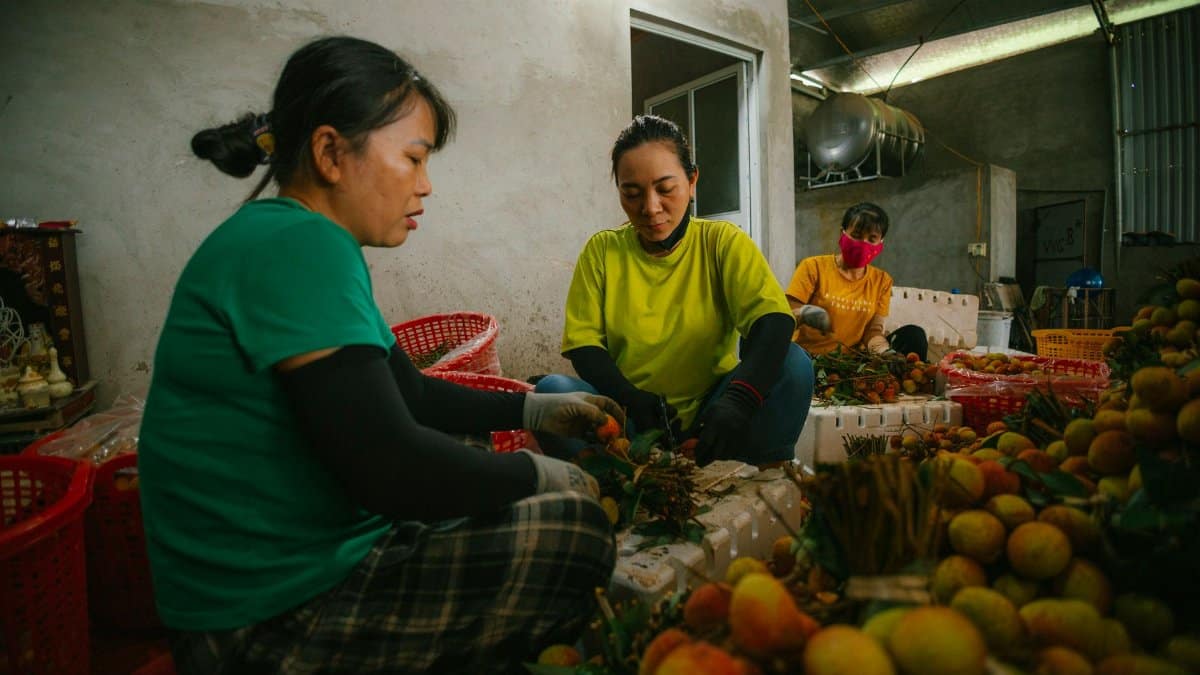
Rather than competing in isolation several estates now share equipment and marketing resources. Joint bottlings and shared festival appearances help smaller operations reach wider audiences without large individual budgets. The approach echoes earlier cooperative models in other farming regions yet remains tailored to the current scale of southwest Michigan.
Tourism infrastructure catches up to demand

New lodging options from renovated farmhouses to boutique inns have appeared along rural routes that connect multiple tasting rooms. Restaurants in nearby towns have expanded wine lists to feature regional selections creating a closed loop that keeps spending within the area. Road signage and mapped routes also make navigation simpler for first time drivers.
Economic ripples reach beyond the vines
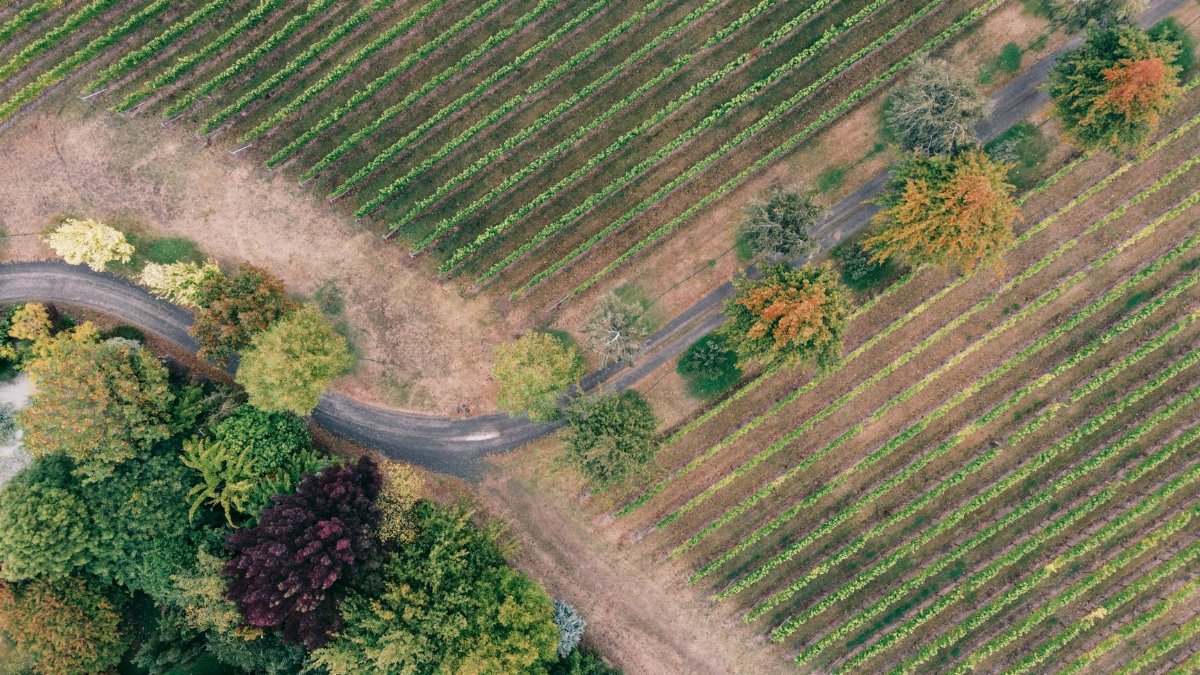
Employment at vineyards and related businesses has grown with roles ranging from field hands to event coordinators. Property values in wine adjacent townships have risen as demand for both residential and commercial space increases. Local officials track these shifts as part of broader rural revitalization efforts that extend past agriculture alone.
Events anchor the calendar year

Harvest festivals and winter sip and stroll gatherings draw crowds during shoulder seasons when farm stands would otherwise close. Live music and art installations at several sites add variety without overshadowing the central focus on poured samples. These programmed weekends help convert one time tasters into regular supporters who return for new releases.
Challenges remain as scale increases

Weather variability still poses risks each spring and fall while labor shortages affect pruning and picking schedules. Larger producers weigh investments in protective measures such as wind machines against the cost of occasional crop loss. Smaller operations focus on diversification into cider or mead to buffer against single crop downturns.
National recognition builds momentum

Recent medals at major competitions have placed Michigan wine country on lists once dominated by coastal regions. Distributors in Chicago and Detroit report rising orders from restaurants seeking distinctive pours that tell a Midwest story. This attention feeds back into the region as new capital arrives for equipment upgrades and vineyard expansion.
Looking ahead to sustained growth
Plans for additional acreage and visitor centers signal that the current wave of interest is viewed as more than a passing trend. Education programs at community colleges now include courses on vineyard management to prepare the next generation of workers. With continued focus on quality and hospitality the area appears positioned to hold its place among emerging American wine destinations.