

In the bustling streets of Miami small shops filled with herbs candles and statues offer more than merchandise to those seeking spiritual guidance. These establishments known as South Florida botánicas have long served as vital hubs for communities practicing traditions like Santeria. Yet today they confront mounting challenges from neighborhood transformations that drive up expenses and alter the local character. Owners report that increased rents combined with shifting demographics threaten their ability to remain in familiar locations. At the same time outdated views about their religious activities continue to create barriers in broader society. Many longtime customers describe a sense of displacement as familiar storefronts close or relocate farther from central areas.
Traditions Rooted in Community Life
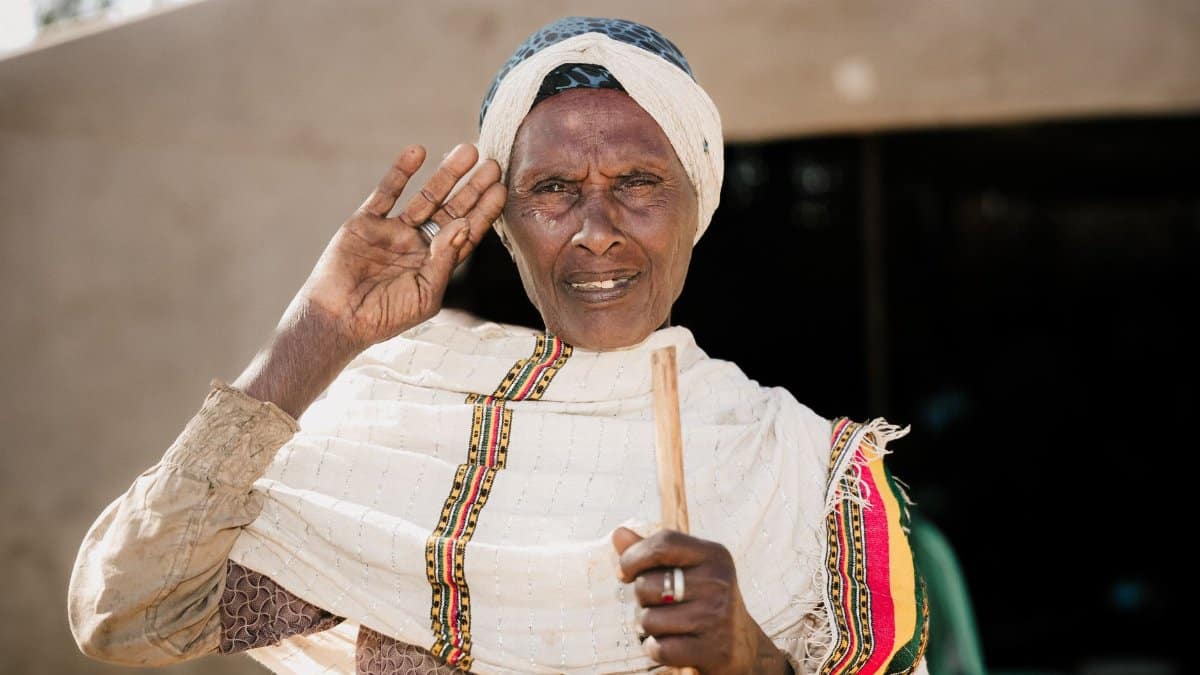
Botánicas function as gathering points where individuals connect with ancestral beliefs brought from Caribbean and Latin American regions. Practitioners often visit for items used in rituals that blend African influences with Catholic elements. These spaces provide not only supplies but also informal advice from shopkeepers who understand the nuances of each ceremony. Families pass down knowledge through generations ensuring that customs remain active even as society changes around them.
Pressures from Neighborhood Transformations
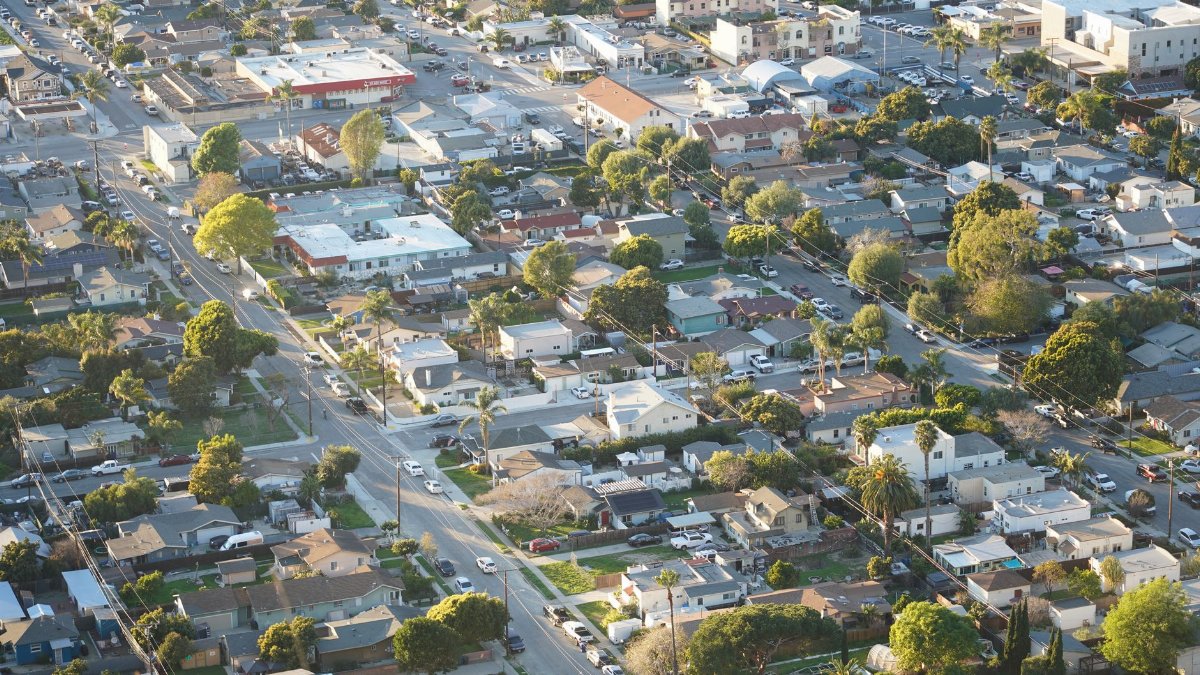
As areas once overlooked gain new residents property values climb rapidly. This shift forces many South Florida botánicas to decide between raising prices or moving to less central spots. Some owners note that longtime clients struggle to reach new locations while newer arrivals show little interest in the services offered. The result leaves shops in a difficult position balancing cultural preservation with financial survival.
Lingering Views on Religious Activities

Despite growing awareness of diverse faiths certain misconceptions persist about practices associated with Santeria and similar paths. Media portrayals sometimes emphasize sensational aspects rather than everyday spiritual needs. This creates hesitation among potential customers who worry about social judgment. Shop owners work to educate visitors yet stigma can still affect business decisions and community interactions.
Daily Operations Behind the Scenes

Running one of these establishments involves careful sourcing of materials from distant suppliers along with knowledge of seasonal demands for specific herbs or oils. Staff members often spend hours preparing custom blends or answering questions from first time visitors. Such attention to detail builds loyalty among regulars who value the personal touch over impersonal retail chains.
Customer Stories Across Generations

Many middle aged patrons recall visiting botánicas with parents or grandparents during times of personal crisis or celebration. These memories tie the shops to family histories and cultural identity. Younger visitors sometimes arrive through social connections seeking guidance on modern challenges while respecting older methods. The mix of ages helps sustain interest in the traditions even as external pressures mount.
Adapting to Higher Expenses

Rising costs for rent utilities and imported goods push owners to explore new strategies such as online sales or partnerships with local artists. Some experiment with workshops that introduce outsiders to basic concepts in a respectful manner. These efforts aim to broaden support without diluting the core purpose of the shops.
Role of Local Regulations

City rules on business licensing and zoning occasionally create extra hurdles for shops dealing in spiritual items. Inspections may focus on aspects unrelated to actual practices yet add layers of paperwork. Advocates suggest clearer guidelines could ease operations while respecting public safety concerns.
Future Outlook for Cultural Hubs

Observers wonder whether South Florida botánicas can endure amid ongoing urban shifts. Success may depend on stronger alliances with cultural organizations and greater public understanding of their contributions. Without such support some fear a gradual fading of these distinctive spaces from the local landscape.