
Imagine a moment so quiet that even your breath seems to hold its own. It’s not just silence—it’s a deliberate stillness, a gap between inhales and exhales that carries weight. This is the essence of the soundless breathing pause, a practice gaining traction among those seeking calm in a world that rarely stops. For many Americans juggling endless notifications and packed schedules, this subtle act offers a reset, a way to step off the treadmill of stress. It’s not about dramatic transformation overnight. Instead, it’s a small, intentional shift, one that researchers and practitioners alike are beginning to recognize for its impact on mental and physical health. As we navigate the pressures of 2025, understanding this quiet pause might just be the tool we didn’t know we needed. Let’s unpack what it means, how it works, and why it’s resonating now.
The Science Behind the Silence
At its core, the soundless breathing pause is more than a moment of not breathing. It’s a deliberate cessation, often held after an exhale, that engages the parasympathetic nervous system. Studies suggest this pause can lower heart rate and reduce cortisol levels, signaling the body to relax. Research from the National Institutes of Health highlights how controlled breathing patterns, including pauses, stimulate the vagus nerve, a key player in regulating stress responses. You can explore more on this through their extensive resources on respiratory health at National Institutes of Health.
Think of it as a gentle brake for the body. When stress ramps up, a brief hold after exhaling can trick the nervous system into thinking danger has passed. It’s not just theory—data from a 2020 study published in the journal Frontiers in Psychology showed participants who practiced breath-holding techniques reported lower anxiety after just a week. Find the study details at Frontiers in Psychology. This isn’t about holding your breath until you’re dizzy. It’s a measured, quiet space, often just a few seconds, that shifts the body’s rhythm.
A Practice Rooted in Ancient Wisdom
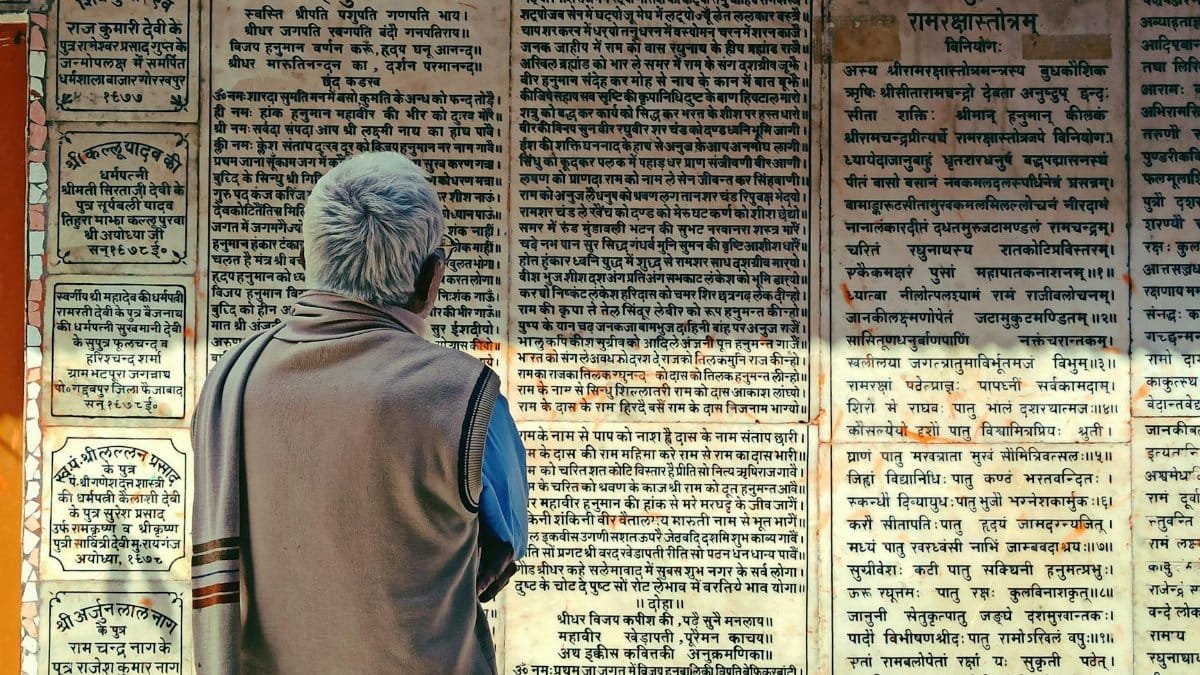
While modern science is catching up, the soundless breathing pause isn’t new. Ancient traditions like yoga and qigong have long incorporated breath retention, or kumbhaka in Sanskrit, as a way to balance energy. In these practices, the pause wasn’t just a physical act but a bridge to mindfulness, a moment to anchor the mind. Texts dating back thousands of years describe how holding the breath after an exhale could clear mental fog, a concept now echoed in studies on mindfulness and stress reduction.
Today, this ancient tool is finding new life. Yoga instructors across the U.S., from Seattle to Miami, report growing interest in pranayama classes that emphasize breath control. One instructor shared anonymously in a recent workshop that students often describe the pause as “a tiny vacation for the mind.” It’s a vivid image—those few seconds becoming a mental getaway, no plane ticket required. The continuity from ancient practice to modern application shows how universal the need for calm remains.
Why It’s Gaining Ground in 2025
As life accelerates with technology and post-pandemic recovery, the appeal of simple, accessible stress-relief tools is undeniable. The soundless breathing pause requires no equipment, no app, no cost—just a willingness to stop for a moment. Therapists and wellness coaches note a spike in clients seeking non-pharmaceutical ways to manage anxiety, especially as mental health challenges persist. A report from the American Psychological Association underscores that over 60% of adults feel overwhelmed by daily stress, a statistic that hasn’t budged much in recent years. Dive into their findings at American Psychological Association.
This practice fits neatly into a culture craving quick, effective resets. Whether it’s a parent stealing a moment before a school run or an office worker pausing between Zoom calls, the ability to recalibrate without fanfare is powerful. It’s not a cure-all, but its simplicity makes it a gateway to broader mindfulness habits, especially in a year like 2025, where balance feels elusive for so many.
Common Missteps and How to Avoid Them

Engaging with the soundless breathing pause sounds straightforward—stop breathing for a few seconds, right? Yet, pitfalls await the uninitiated. One frequent error is holding the breath too long, leading to dizziness or discomfort. Experts stress starting small, with pauses of just two or three seconds after exhaling, gradually increasing as comfort grows. It’s not a competition; forcing the body defeats the purpose.
Another snag is inconsistency. A harried executive might try it once during a stressful meeting, feel nothing, and dismiss it. But research shows benefits compound with regular practice. A study from Harvard Medical School on mindfulness and breathing techniques suggests even five minutes daily can shift stress markers over time. Check their insights at Harvard Health. The key is patience—carve out brief moments each day, perhaps while waiting for coffee to brew, and let the habit build.
Real-Life Impact: Stories from the Pause
In a bustling Chicago suburb, a middle-aged nurse described her first encounter with this technique during a hospital wellness seminar. “I thought it was nonsense,” she admitted with a laugh, speaking anonymously at a community event. “But after a 12-hour shift, those few seconds of not breathing—just holding—felt like I could finally let go of the day.” Her story mirrors a growing sentiment: the pause offers a tangible release when life feels relentless.
Elsewhere, online discussions reveal similar revelations. One person shared publicly that incorporating a brief breath pause before bedtime transformed their struggle with insomnia. They described it as “turning off the mental noise,” a small but profound shift. These snapshots aren’t universal, but they highlight a pattern—when woven into daily routines, the soundless breathing pause can become a quiet ally against overwhelm.
Integrating the Pause Into Everyday Life
So how does one start? It’s less about perfection and more about finding natural entry points. Begin by noticing your breath during mundane moments—standing in line at the grocery store or sitting at a red light. Exhale fully, then hold for a couple of seconds before inhaling again. Feel the stillness. There’s no need for a meditative pose or silent retreat; this works amid the chaos of a typical Tuesday.
For those wanting structure, pairing the pause with existing habits helps. Try it after brushing your teeth or before checking email. The goal isn’t to overhaul your day but to sprinkle in micro-moments of calm. Over time, these pauses can shift from deliberate acts to instinctive responses during stress. It’s a subtle rewiring, one that doesn’t demand hours but delivers a cumulative effect, grounding you in the present without fanfare.
The Broader Ripple Effects
Beyond personal calm, the soundless breathing pause hints at wider potential. Workplace wellness programs are beginning to incorporate brief breathing exercises, recognizing that employee burnout costs companies billions annually. Schools, too, are experimenting with mindfulness techniques, teaching children to pause and reset during high-stress moments like exams. Could this simple act ripple out to reshape how we approach collective stress?
There’s no hard data yet on societal impact, but the anecdotal evidence is compelling. When a group of teachers in a Texas district adopted short breathing pauses during staff meetings, several reported feeling more patient with students. It’s a small sample, but it suggests a possibility: what if pausing became as routine as checking our phones? The idea isn’t far-fetched. As more people seek sustainable ways to cope, this quiet practice might just weave itself into the fabric of daily life.