Is sound healing balance weapon frequency the wellness breakthrough of 2025, or just another trendy fad? Proponents claim that specific sound frequencies can act as a “weapon” against stress, realigning body and spirit for deep harmony. Critics, however, question if there’s any science behind the buzz. As more Americans turn to alternative therapies amid rising mental health concerns, this controversial practice is gaining traction. From meditation apps to specialized clinics, sound healing is everywhere—but does it deliver? Here’s what you need to know about this polarizing trend.
What Is Sound Healing?
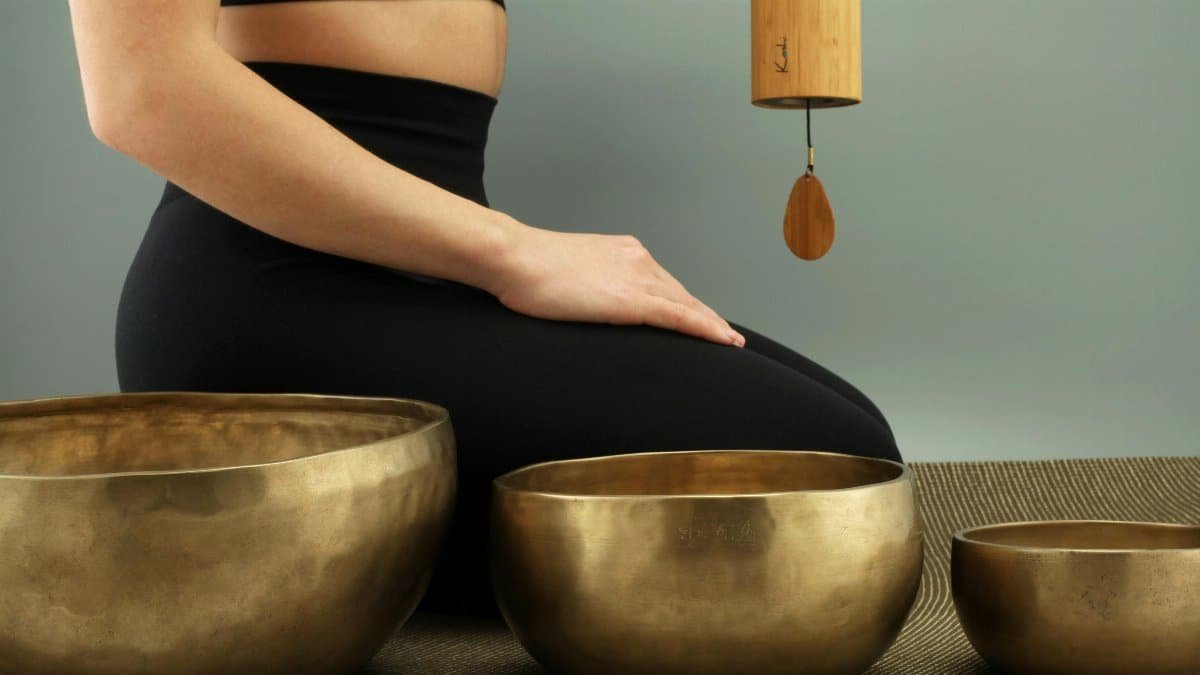
Sound healing uses vibrations from instruments like tuning forks, gongs, or even digital frequencies to promote relaxation and balance. Practitioners argue that certain tones can target physical and emotional imbalances, restoring the body’s natural rhythm. The concept isn’t new—ancient cultures used chants and drums for similar purposes. Today, it’s marketed as a modern solution for stress and anxiety, often tied to claims of “frequency weapons” that combat negativity.
The Frequency Weapon Claim
Science or Pseudoscience?

Research on sound healing is limited, but some studies suggest benefits. A 2020 report from the National Institutes of Health found that sound therapy could reduce anxiety in small groups. However, claims about specific frequencies as “weapons” lack peer-reviewed support. Experts caution against overhype, urging people to approach it as a complementary practice, not a cure-all.
Why It’s Trending in 2025

With mental health challenges spiking, Americans are seeking non-traditional relief. The wellness industry, valued at over $4 trillion, has latched onto sound healing as a low-cost, accessible option. Apps and virtual sessions make it easy to try at home, while spas and yoga studios offer in-person experiences. Google Trends data shows a 30% spike in searches for sound therapy this year, reflecting a hunger for alternative solutions.
Real Stories, Mixed Results

Jessica M., a 34-year-old from Seattle, tried sound healing after battling insomnia. “I felt calmer after one session with a 432 Hz track,” she said. “But it didn’t last.” Others report no change or even discomfort from prolonged exposure to certain frequencies. Anecdotes vary widely, highlighting the subjective nature of the practice and the need for more research.
Risks and Red Flags

Sound healing isn’t without pitfalls. High volumes or prolonged sessions can cause headaches or dizziness, warn audiologists. Additionally, some practitioners make unverified claims about curing chronic conditions, which can mislead vulnerable clients. The FDA has flagged similar wellness scams, advising caution when promises sound too good to be true.
Where to Try It Safely

Interested in testing sound healing? Start with reputable sources. Many community centers and certified therapists offer introductory sessions. Online platforms like Insight Timer provide free guided tracks, though quality varies. Always check credentials and avoid providers pushing miracle claims. The Psychology Today blog offers tips on finding legitimate practitioners.
The Verdict