
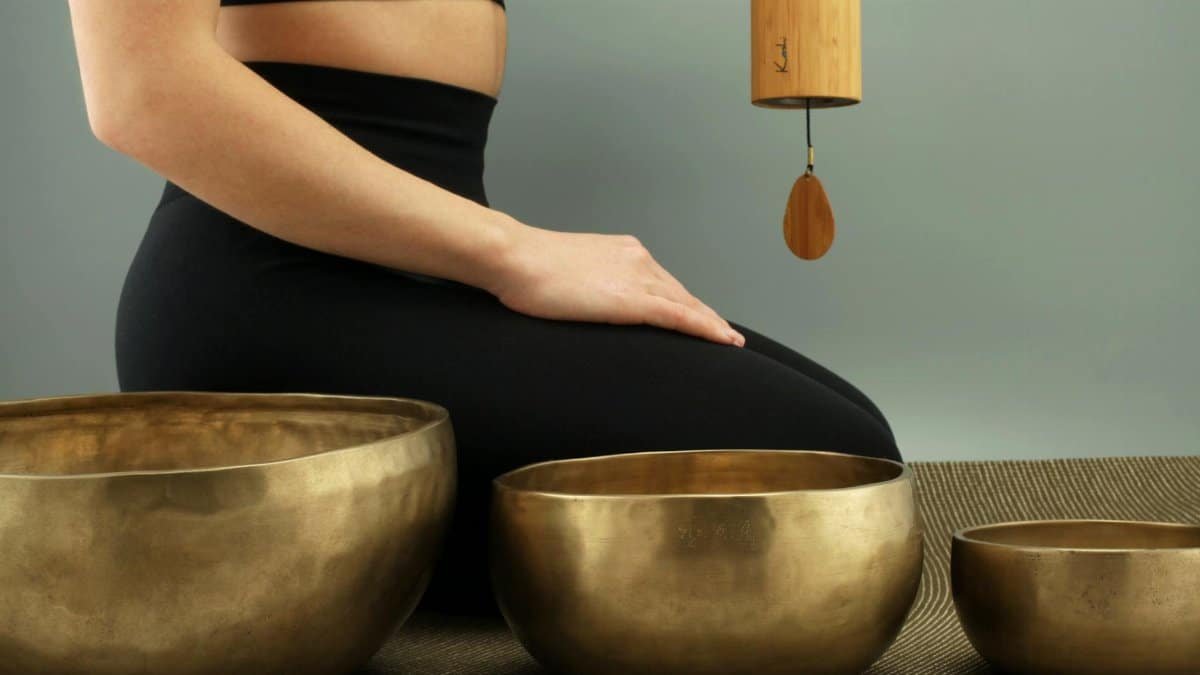
Sound healing, once confined to quiet spa corners, is exploding onto bigger stages. This soundhealing events growth is causing a major shift in the wellness industry this year, drawing crowds to festivals and corporate retreats alike. Reports from 2024-2025 highlight its integration into mainstream programming, where immersive sound baths and vibrational therapies are no longer niche. As Americans seek stress relief amid busy lives, these events offer accessible paths to mindfulness. Experts note this evolution reflects broader trends in holistic health, with venues scaling up to meet demand.
The Shift to Larger Venues
Sound healing’s transition from small studios to expansive event spaces marks a key development in recent coverage. In 2024, practitioners began hosting sessions at music festivals and wellness expos, attracting thousands. This growth aligns with rising interest in alternative therapies, as noted in industry reports. Larger events allow for amplified experiences, using gongs, crystal bowls, and Tibetan singing bowls to create communal healing atmospheres. Attendees report deeper relaxation, fueling the momentum into 2025.
Integration into Mainstream Wellness
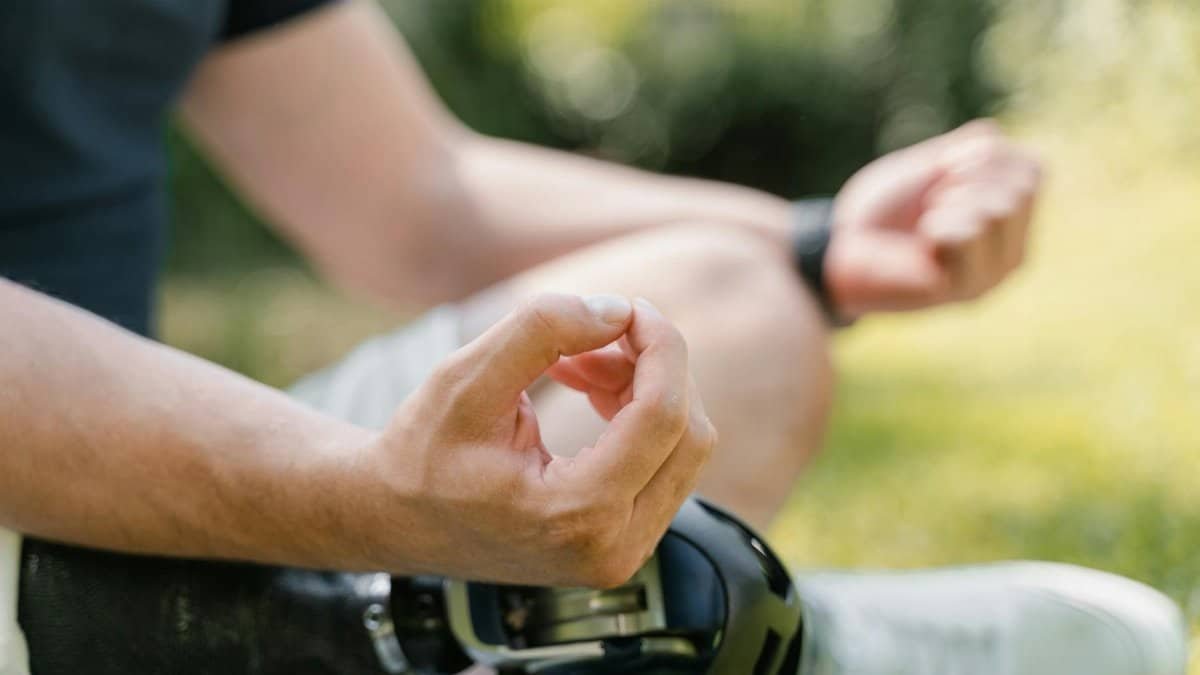
Mainstream wellness programs are increasingly incorporating sound healing, per 2024-2025 analyses. Gyms, yoga studios, and corporate wellness initiatives now feature these sessions as standard offerings. This move democratizes access, moving beyond elite spas to everyday settings. For instance, community centers in U.S. cities have added sound healing to their rosters, blending it with meditation and fitness classes. The appeal lies in its non-invasive nature, providing quick mental resets in a fast-paced world.
Growing Popularity Among Diverse Groups

Soundhealing events growth isn’t limited to wellness enthusiasts; it’s drawing diverse demographics. Reporting from the past year shows millennials and Gen Z leading the charge, but older adults are joining too, seeking relief from anxiety and insomnia. Events at public parks and online platforms have broadened reach, making sound therapy inclusive. This expansion reflects U.S. trends toward personalized health, with participants valuing the science-backed benefits like reduced cortisol levels.
Key Drivers Behind the Expansion
Several factors propel sound healing into larger formats. Post-pandemic stress has heightened demand for restorative practices, as covered in 2024 reports. Social media amplifies visibility, with influencers sharing event highlights. Additionally, endorsements from celebrities and health experts legitimize the practice. In 2025, expect more hybrid events combining live and virtual elements, sustaining growth amid economic shifts. This surge underscores a cultural pivot toward proactive mental health strategies.
Challenges in Scaling Up

As events grow, challenges emerge. Maintaining authenticity in large crowds is a concern, with some critics arguing dilution of intimate experiences. Logistical issues, like acoustics in big venues, require innovative solutions. Coverage notes the need for trained facilitators to ensure safety and efficacy. Despite hurdles, the industry’s adaptation—through certifications and guidelines—supports sustainable expansion. U.S.-based organizations are stepping in to standardize practices, preserving quality.
Impact on Wellness Industry Economics

Soundhealing events growth is reshaping industry economics. Ticket sales for major gatherings have surged, contributing to the $4.5 trillion global wellness market. In the U.S., this translates to job creation for sound therapists and event planners. Reports indicate partnerships with brands, from apparel to tech, boosting revenue streams. As 2025 unfolds, analysts predict continued investment, with retreats generating millions. This economic boost highlights sound healing’s viability as a mainstream sector.
Scientific Backing and Research Trends

Emerging studies lend credibility to sound healing’s rise. Research shows vibrational frequencies can influence brain waves, promoting relaxation. For example, a study from the National Institutes of Health explores sound’s role in stress reduction: NIH Study on Music and Health. Another from Harvard Medical School links auditory therapies to improved sleep: Harvard Health on Sound Therapy. These findings, highlighted in 2024-2025 coverage, validate its mainstream push.
Community and Cultural Resonance
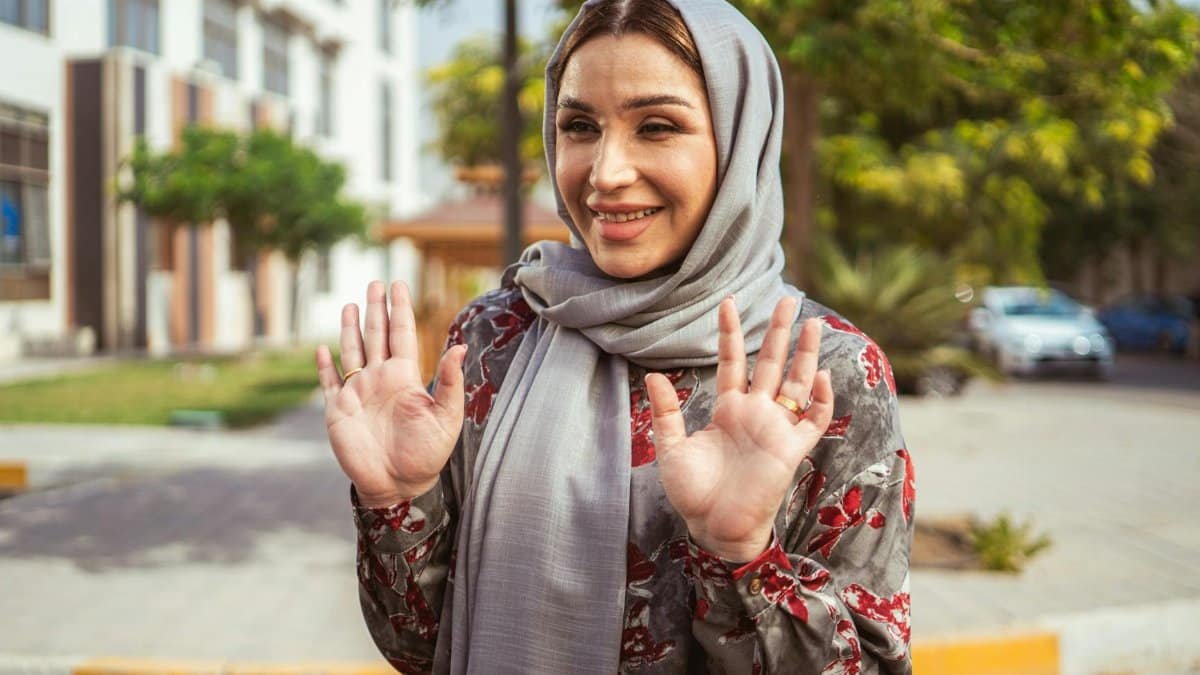
Sound healing events foster community bonds, a theme in recent reporting. Group sessions encourage shared experiences, combating isolation in urban America. Cultural integrations, drawing from ancient traditions like those in Tibetan and Indigenous practices, add depth. In 2025, multicultural festivals are incorporating these elements, promoting inclusivity. This resonance strengthens social ties, positioning sound healing as a tool for collective well-being.
Future Trajectories in Programming

Looking ahead, sound healing’s trajectory points to innovative programming. Coverage suggests expansions into education and healthcare, with hospitals testing sound therapies for patients. Virtual reality integrations could enhance remote access, per 2025 projections. As demand grows, collaborations with musicians and artists will diversify offerings. This evolution ensures sound healing remains dynamic, adapting to societal needs while staying rooted in its core principles.
Real-World Examples of Growth

Concrete examples illustrate the trend. Wellness festivals in California and New York have scaled sound healing stages, drawing record crowds in 2024. Corporate retreats, from tech firms to finance, now include these sessions for employee morale. Community-driven events in Midwest states show grassroots adoption. These instances, as reported, exemplify how soundhealing events growth is embedding itself in everyday American life, promising sustained relevance.