

In a world where burnout is the new normal, somatic shaking is emerging as the bizarre yet buzzworthy fix for everyday tension. This primal technique, rooted in the body’s natural response to stress, has therapists buzzing about its power to discharge pent-up nervous energy without a single pill or therapy couch. Forget yoga flows or meditation apps—picture yourself trembling like a startled gazelle to reset your frazzled nerves. As remote work blurs boundaries and doomscrolling amps anxiety, experts say this shake-it-off method could be the stressbuster we didn’t know we needed.
What Is Somatic Shaking?

Somatic shaking mimics the instinctive tremors animals use after escaping danger. Think of a dog shaking off water after a bath, but for humans, it’s about releasing “stuck” stress stored in muscles and fascia. Coined in somatic therapy circles, the practice gained traction through pioneers like David Berceli, whose Tension & Trauma Releasing Exercises (TRE) popularized it. Sessions start with simple poses to fatigue muscles, triggering involuntary shakes that last minutes to hours. No equipment needed—just gravity and your body’s wisdom.
The Evolutionary Roots

Humans once shook off saber-tooth tiger scares, but modern life suppresses that reflex. Neuroscientists link it to the polyvagal theory, where shaking activates the parasympathetic nervous system to downregulate fight-or-flight mode. A 2022 study in the Journal of Bodywork and Movement Therapies found participants reported 40% less anxiety after regular shakes, with cortisol levels dropping measurably. “It’s biology’s reset button,” says Dr. Irene Lyon, a somatic expert based in Vancouver.
Why It’s Beating Traditional Stress Relief

Unlike mindfulness apps that demand focus amid chaos, somatic shaking bypasses the overthinking brain. Therapists note it’s faster—10 minutes can equal a week’s worth of talk therapy for some. In New York clinics, waitlists for somatic sessions have doubled post-pandemic, per wellness tracker ClassPass data. It’s cheap, portable and hits the vagus nerve directly, improving heart rate variability more effectively than deep breathing alone, according to preliminary fMRI research from UCLA.
Step-by-Step Guide to Your First Shake
Start barefoot on a soft surface. Lie on your back, feet flat, knees bent. Lift hips into a bridge for 30 seconds, then drop. Repeat with ankle rolls and wall leans until tremors kick in—usually in legs first, spreading upward. Breathe deeply, let shakes happen without force. Sessions last 5-20 minutes; do 3x weekly. Apps like Insight Timer offer guided versions, but pros advise starting with a certified TRE provider to avoid overwhelm.
Real-Life Turnarounds
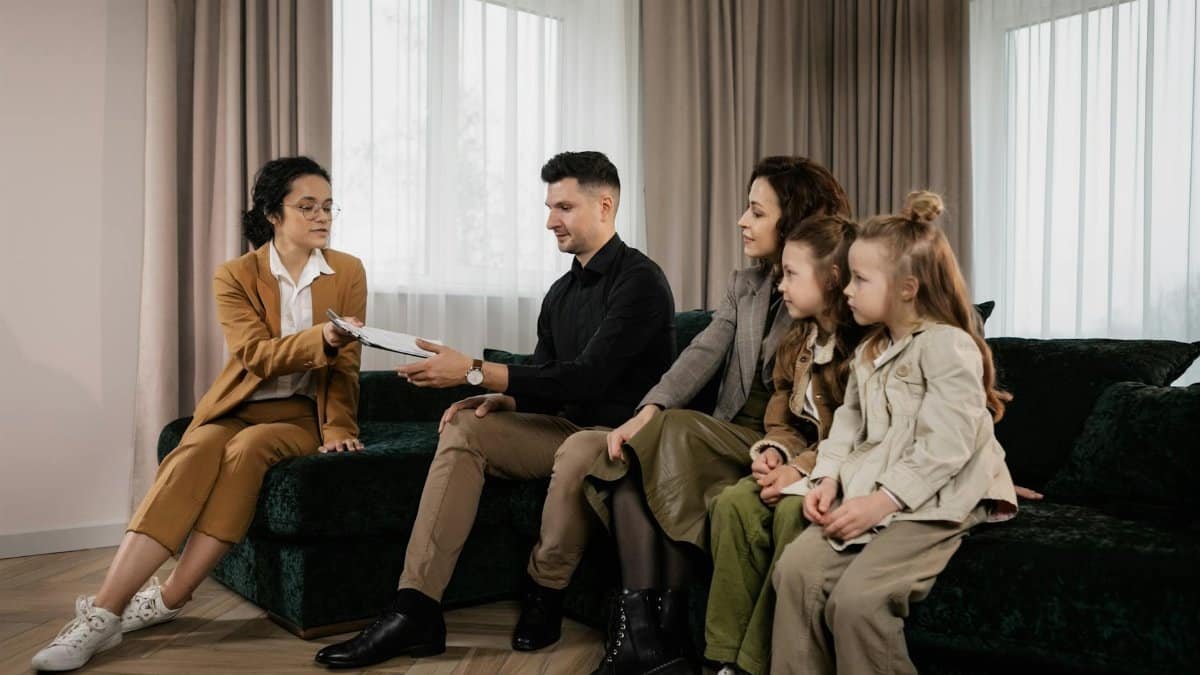
Brooklyn teacher Mia Rodriguez, 34, credits shaking for reclaiming her life after divorce-fueled insomnia. “I felt electric at first, then pure calm—like deleting 100 unread emails,” she says. In Chicago, veteran paramedic Tom Hale uses it post-shift to shake off trauma echoes. A small 2023 pilot at NYU Langone showed 75% of PTSD patients experienced symptom relief after eight weeks, rivaling EMDR therapy.
Celebs and Influencers Jumping On Board

From Gwyneth Paltrow’s Goop glow-ups to Joe Rogan’s podcast raves, somatic shaking is infiltrating A-list routines. Model Gisele Bündchen demoed it on Instagram, calling it her “secret to staying grounded.” Wellness influencers like @the.holistic.psychologist have racked up millions of views on TikTok tutorials. Even corporate giants like Google are piloting shake breaks in employee wellness programs, signaling mainstream crossover.
Potential Downsides and Safety Tips
Not everyone’s a candidate. Those with epilepsy, recent injuries or severe mental health issues should consult doctors first—intense shakes can surface buried emotions. “It’s powerful, so pace yourself,” warns certified somatic coach Sarah Johnson. Overdoing it risks fatigue, and rare cases report temporary dizziness. Pregnant individuals? Skip until cleared. Start slow, ideally with a pro, to turn shakes into sustainable relief.
Where to Shake Things Up
Online platforms like TREforAll.org offer free intros, while apps such as Shakerize provide on-demand audio. In major U.S. cities, studios like The Class by Taryn Toomey blend it into high-energy flows. Expect $20-50 per group session; private coaching runs $150/hour. As demand surges, look for International TRE Institute certifications. With stress stats grim—77% of Americans report work anxiety per APA—somatic shaking positions itself as the accessible antidote ready to tremor its way into daily life.
By Natasha Weber