
Stop rushing to the summit. Soft hiking marks a sharp turn in 2026 fitness culture. This anti-hustle workout urges walkers to pause amid trails, absorb stunning views, and focus on deep breaths. Dated January 20, 2026, the trend counters the relentless push for speed and endurance. Instead, it champions presence over performance, redefining outdoor exercise for a generation burned out on hustle.
Challenging Traditional Hiking Norms
Classic hiking demands peak bagging and rapid ascents. Soft hiking flips the script. Walkers ditch the stopwatch. They reject the compulsion to conquer summits at all costs. The core message rings clear: progress lies not in distance covered but in moments savored. This shift arrives at a time when exhaustion from high-intensity routines dominates conversations.
Defining the Anti-Hustle Workout

Soft hiking embodies resistance to grind culture. It positions itself as the antidote to go-go-go fitness fads. Participants move at their own pace, unbound by metrics like steps or calories. The emphasis falls on quality over quantity. In 2026, this approach gains steam as people seek sustainable ways to stay active without burnout.
The Call to Stop and Pause

Central to soft hiking is the deliberate halt. Midway up a path, walkers are encouraged to stop. No agenda drives them forward. This pause disrupts habitual rushing. It allows the body and mind to reset. Such interruptions build a rhythm of intentional slowness, transforming routine strolls into restorative breaks.
Absorbing the Natural View

Once stopped, attention turns outward. Soft hiking prompts gazes toward horizons, treetops, and valleys. Views that blur past in speedy treks now demand focus. This visual immersion fosters connection to surroundings. Walkers report heightened appreciation for landscapes often overlooked in pursuit of endpoints.
Harnessing the Breath

Breathing anchors the practice. Deep, rhythmic inhales and exhales sync with the environment. Amid foliage or open skies, each breath grounds the participant. Soft hiking weaves this into every outing. It elevates simple air intake to a meditative tool, easing stress accumulated from daily pressures.
A Mindful Twist on Walking

Walkers embrace soft hiking as accessible mindfulness. No gear or expertise required. Trails become classrooms for presence. The trend spreads via word-of-mouth among those tired of gym monotony. In 2026, it fills a gap left by aggressive workouts, offering gentle entry into nature’s benefits.
Resonating in a Fast-Paced Era
Soft hiking thrives amid broader wellness shifts. Society grapples with constant connectivity and productivity demands. This workout counters that tide. By prioritizing stillness, it appeals to urban dwellers craving escape. Trails see more leisurely figures, proof of its growing foothold.
Research supports such mindful practices in nature. The National Center for Complementary and Integrative Health notes meditation and mindfulness, akin to soft hiking’s pauses, reduce anxiety and improve mood. NCCIH on Mindfulness.
Practical Steps for Trails
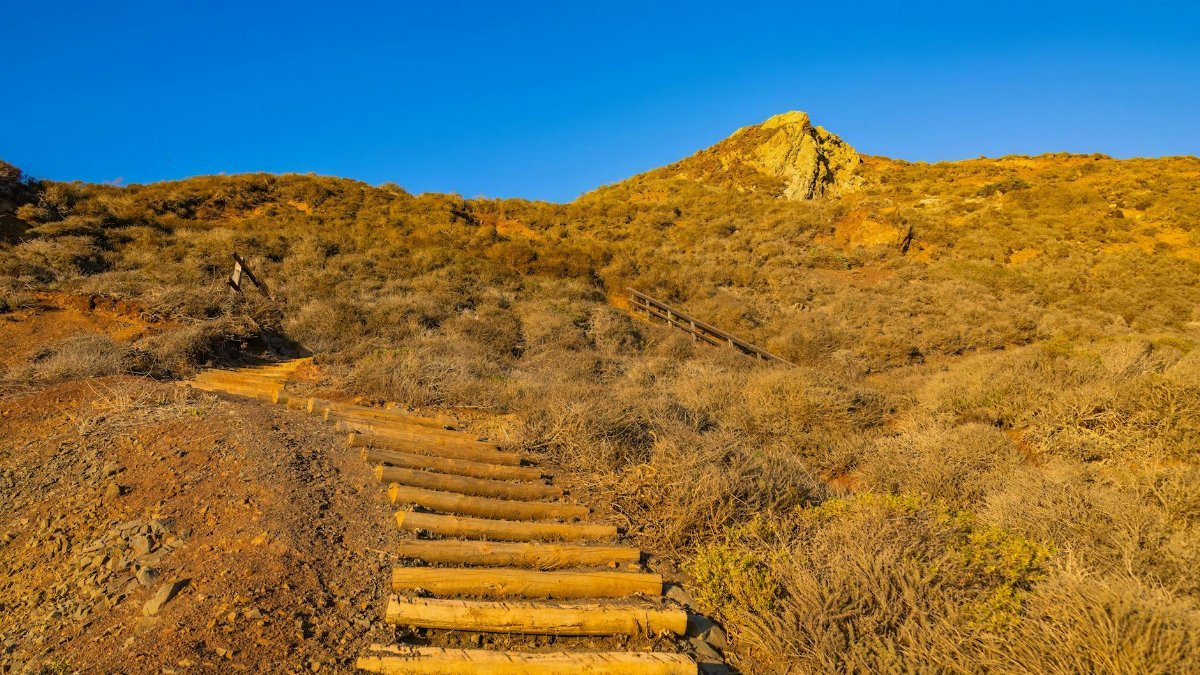
Adopting soft hiking starts simple. Choose familiar paths. Set no time goals. When urge to hurry arises, resist. Halt frequently. Scan vistas deliberately. Inhale deeply, exhale fully. Repeat as needed. This framework turns any walk into soft hiking territory, no summits required.
Impacts on Fitness Culture

The ripple effects extend beyond individuals. Soft hiking nudges the industry toward balance. Gyms and apps may adapt, promoting slower paces. Communities form around shared slow treks. In 2026, it signals evolution: fitness no longer equates to suffering.
Walking remains a cornerstone of health guidelines. The Centers for Disease Control and Prevention recommends it for physical and mental gains, aligning with soft hiking’s ethos. CDC on Walking Benefits.
Why 2026 Marks the Moment

January 20, 2026, spotlights the surge. Declarations like “stop rushing” capture zeitgeist. Post-pandemic reflections amplify calls for unhurried joy. Soft hiking answers, blending movement with serenity. It reclaims trails for reflection, not records.
Expect more trailside benches and signage encouraging pauses. Outfitters stock lighter packs for unburdened jaunts. The anti-hustle mantra permeates, promising longevity in fitness pursuits.