
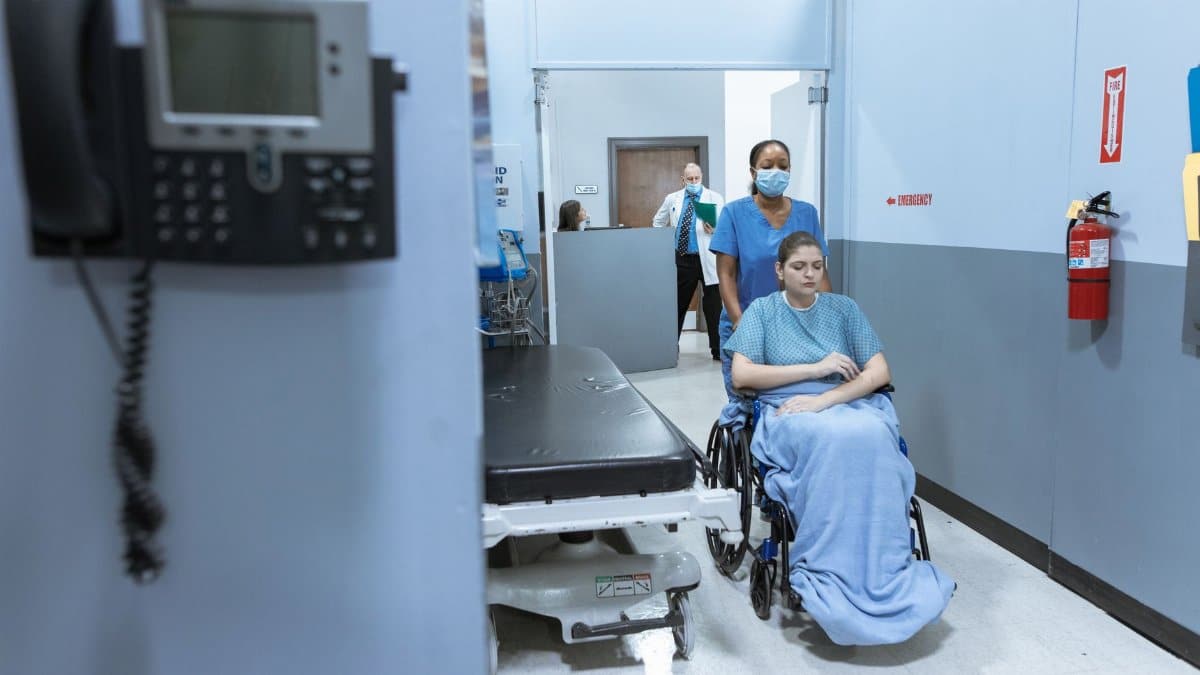
For many Americans confronting serious illnesses the path to receiving support remains slow and uncertain. The Social Security disability program has drawn attention once again after recent steps to speed up approvals for selected conditions. Officials added fourteen medical issues to an existing fast track list in August 2026. This move targets cases where quick decisions can ease financial strain on households already managing complex care needs. Families often face mounting bills while paperwork moves through standard channels that can take months or longer. The update reflects ongoing efforts to refine how claims are handled at a time when demand continues to rise.
Understanding the Updated Priority List

The expanded roster covers a range of serious diagnoses that qualify for expedited review. Conditions now include certain cancers advanced kidney disease and specific neurological disorders. Reviewers can move these applications ahead of others once medical documentation confirms the diagnosis. The change builds on earlier efforts to identify cases unlikely to improve with time.
Reasons Behind the Expansion

Agency leaders examined data showing prolonged waits for people with life limiting illnesses. Many applicants already meet strict medical criteria yet still endure repeated forms and interviews. Adding these fourteen conditions allows staff to focus resources where outcomes are more predictable. The goal centers on reducing backlogs without lowering standards for eligibility.
How Applicants Benefit From Faster Processing

Individuals whose conditions appear on the list receive decisions in weeks rather than the typical several months. This quicker timeline helps cover ongoing medical costs and daily living expenses sooner. Recipients report less anxiety over unpaid rent or interrupted treatments. The approach also frees examiners to handle remaining cases with greater attention.
Impact on Families and Caregivers

Relatives who provide daily support often put careers on hold while waiting for approvals. Earlier payments can stabilize household budgets and allow caregivers to maintain part time work. Communities see indirect gains when fewer households fall into crisis during long reviews. Local assistance programs experience lighter demand as a result.
Challenges in Medical Documentation

Doctors must supply clear records that match the listed conditions exactly. Incomplete files can still delay even priority claims. Specialists note the importance of detailed test results and treatment histories from the start. Patients benefit from keeping organized copies of every report sent to the agency.
Comparison With Earlier Fast Track Efforts

Previous expansions covered a smaller set of terminal illnesses and permanent impairments. The current addition broadens the scope to include progressive diseases that may stabilize with treatment. Analysts view the shift as a response to changing medical patterns and longer life expectancies among some patients. The agency continues to study outcomes from these earlier lists.
Public Reaction and Advocacy Views

Groups representing people with disabilities welcomed the announcement as a practical improvement. Some advocates point out that many other serious conditions still face standard wait times. They urge further study to identify additional candidates for priority handling. Lawmakers have expressed interest in monitoring whether processing times improve across the board.
Future Steps for Program Refinement

Officials plan to review the new list after one year of operation. Data will show whether approval rates hold steady and whether appeals decrease. Adjustments could follow if certain conditions prove more variable than expected. Continued input from medical professionals will shape any revisions.
Broader Context of Disability Support Trends

Demand for Social Security disability has grown steadily with an aging population and rising chronic illness rates. The agency manages millions of claims each year while balancing accuracy and speed. Expansions like this one represent targeted adjustments within a larger system that serves diverse needs. Observers expect ongoing discussion about resources and staffing levels.