
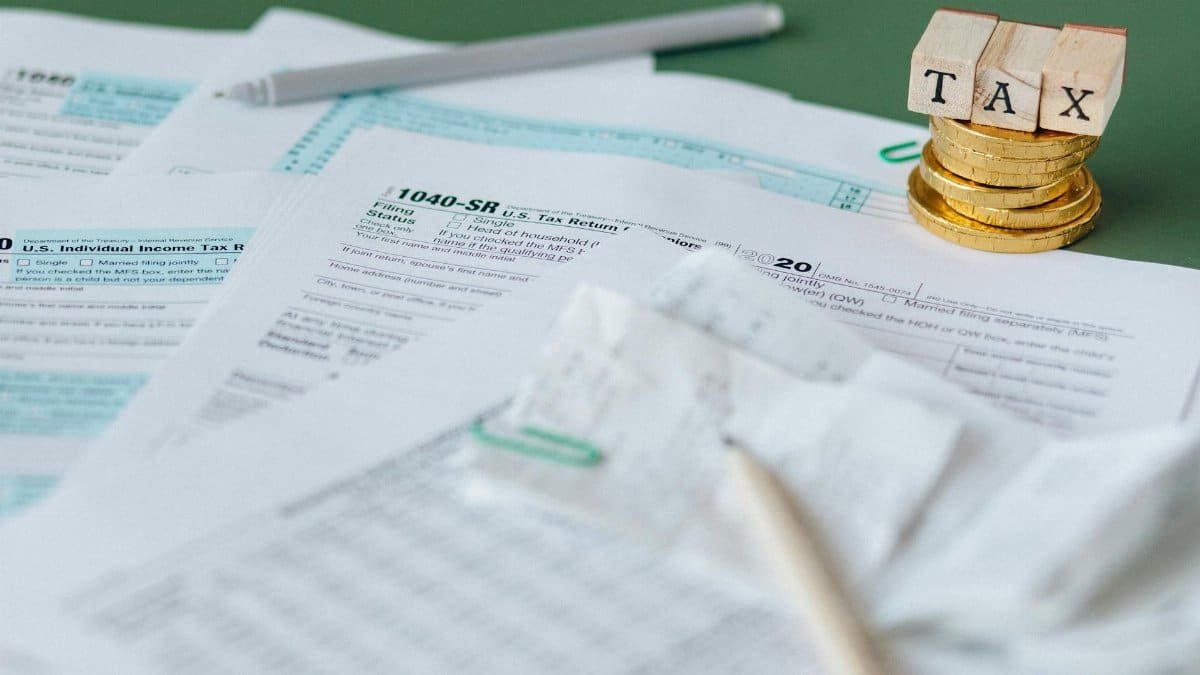
Scammers are hitting your phone with fake IRS texts, claiming your tax refund is frozen. Don’t click. On February 17, 2026, the IRS fired off an urgent alert about smishing tax scams—SMS phishing attacks designed to snag your Social Security number. These texts trick users into responding or clicking links under the guise of resolving refund holds. The agency warns: ignore them. As tax season heats up, this mobile menace threatens millions, urging vigilance to protect personal data. (78 words)
What is Smishing?

Smishing stands for SMS phishing, a digital con delivered straight to your mobile device. Scammers fire off text messages mimicking trusted sources like the IRS. The goal? Lure you into handing over sensitive info. Unlike email phishing, these hits land on phones people check constantly. The IRS alert spotlights this tactic as a fresh frontline in fraud wars. Texts arrive unannounced, packed with urgency to bypass your skepticism.
IRS Sounds the Alarm

The Internal Revenue Service dropped its warning on February 17, 2026. “Don’t click the text,” the alert blasts. This isn’t routine advice—it’s an urgent call amid rising threats. The IRS, tasked with safeguarding taxpayers, uses such bulletins to counter fast-evolving scams. By publicizing the ploy early in tax season, officials aim to blunt the damage before refunds roll out. The message underscores a core truth: legitimate agencies never demand action via unsolicited SMS.
Taxpayers can verify alerts directly through IRS Tax Scams and Consumer Alerts page, a hub for official scam updates.
The Scam’s Core Tactic
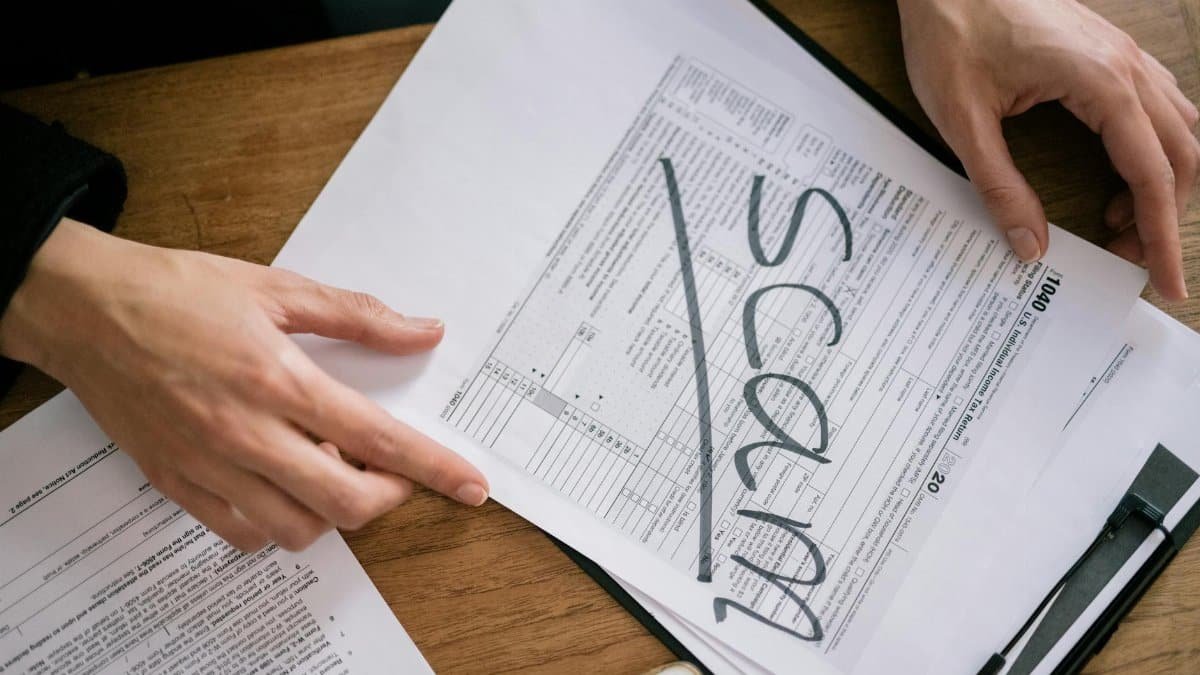
Crooks send texts claiming your tax refund sits on hold. They pose as IRS reps, pressing for quick fixes. Click a link or reply, and you’re routed to phony sites craving your Social Security number. This smishing tax scam exploits refund anticipation—everyone wants their money fast. The IRS notes these messages mimic official tone, complete with demands for verification. Hesitation is the scammer’s enemy; panic their ally.
Why Your SSN is the Prize

Stealing your Social Security number unlocks identity theft hell. Scammers use it to file bogus returns, snag loans, or drain accounts. In this smishing scheme, the refund hold pretext funnels straight to SSN grabs. Once compromised, recovery drags—freezing credit, filing fraud reports, notifying agencies. The IRS alert hammers this risk: one click hands fraudsters your gateway to financial ruin. Tax data paired with SSNs fuels broader crimes, hitting U.S. households hard.
Tax Season’s Perfect Storm
February marks prime time for these attacks. Refunds loom, stress peaks, and phones buzz nonstop. Scammers time texts to ride this wave, blending into legitimate alerts. The IRS’s 2026 warning arrives as filings surge, signaling heightened vigilance needs. Americans filing returns face amplified exposure—smishing slips past email filters into pockets. The agency’s push reflects patterns: mobile scams climb as digital tax tools proliferate.
Spot the Red Flags

Unsolicited IRS texts scream scam. Real agency contact skips SMS demands for personal data. Watch for poor grammar, generic greetings, or pressure tactics like “act now or lose your refund.” Links lead to suspicious domains—not IRS.gov. Caller ID spoofing adds smoke, but texts lack verification trails. The alert boils it down: if it urges clicks or shares, delete it. Awareness turns prey into predators on fraudsters.
What Not to Do: The Click Trap

“Don’t click the text.” The IRS mantra cuts through noise. Responding verifies your number’s live, inviting more hits. Links install malware or harvest data. Calls back connect to call centers overseas, probing deeper. This smishing tax scam thrives on impulse—pausing saves you. Forward suspect texts to 7726, the spam reporting short code, starving scammers of oxygen.
Steps to Shield Yourself

Verify IRS contact via official channels only: IRS.gov or 800-829-1040. Enable two-factor authentication on tax accounts. Use call blockers for unknowns. Educate family—elders top targets. Monitor accounts weekly during season. The IRS urges reporting to its phishing line, bolstering collective defense. Simple habits blunt smishing’s edge.
Learn more on spotting phishing via the IRS Report Phishing page.
Bigger Picture: Evolving Threats

Smishing marks scammers’ pivot to mobile, outpacing email defenses. IRS alerts like this 2026 dispatch evolve with tech. Taxpayers lose billions yearly to fraud; SSN thefts spike claims. Federal crackdowns lag innovation, but awareness gaps close via bulletins. U.S. trends show SMS scams doubling post-pandemic, per agency patterns. Staying ahead means heeding warnings—your refund, your data, your fight.
Act Now, Refund Later

The IRS alert isn’t hype—it’s armor. Ignore texts, check facts, report hits. As 2026 tax deadlines near, smishing tax scams test resolve. Protect your SSN; secure your return. Fraudsters adapt, but informed users win. Heed the call: don’t click, stay safe.