

In the bustling kitchen of a family owned diner in suburban Ohio, owner Maria Gonzalez stares at her latest supplier invoice. The cost of cooking oil, delivered by truck from across state lines, has jumped 18 percent in a month. With diesel prices spiking due to escalating tensions in the Middle East, she faces a stark choice: absorb the hit or pass it on. This is the new reality as higher costs fuel surcharges proliferate among small businesses and restaurants, a direct fallout from the Iran conflict disrupting global oil flows. What began as isolated fees on delivery apps is now etching lines on menus nationwide, squeezing owners and diners alike in an economy already strained by inflation.
Geopolitical Sparks Ignite Oil Market Volatility

The latest flare up between Iran and Israel has sent shockwaves through energy markets. Iranian missile strikes on regional targets prompted retaliatory actions, tightening supply routes through the Strait of Hormuz, a chokepoint for 20 percent of the worlds oil. Brent crude, the global benchmark, climbed above 85 dollars per barrel within days, up from 70 dollars in early summer. Analysts at the International Energy Agency warn that prolonged conflict could push prices toward 100 dollars, echoing the 1979 oil crisis. For U.S. consumers, this translates to gasoline averaging 3.80 dollars a gallon, the highest since late 2022.
Small businesses, reliant on frequent deliveries of perishables and supplies, bear immediate brunt. Trucking firms, facing diesel at 4.50 dollars per gallon in some regions, have rolled out mandatory surcharges. A report from the American Trucking Associations notes logistics costs rising 12 percent year over year, with fuel comprising 30 percent of operating expenses.
From Trucks to Tables: Restaurants Adapt

Restaurants, often operating on razor thin margins of 3 to 5 percent, find themselves at the vanguard of this trend. In cities like Chicago and Atlanta, signs proclaiming fuel recovery fees of 3 percent have appeared on tabletops. Gonzalez, like many, consulted her accountant before implementing a 2 percent line item on checks over 50 dollars. We cant eat these costs forever, she says. Produce from California farms arrives pricier, meats from Midwest processors too.
Data from the National Restaurant Association underscores the pressure: 62 percent of independents report higher delivery costs as their top concern, surpassing labor shortages. Chains like Chipotle and Sweetgreen have quietly embedded similar fees in pricing, though independents feel less leeway to disguise them.
Small Retailers Join the Surcharge Surge
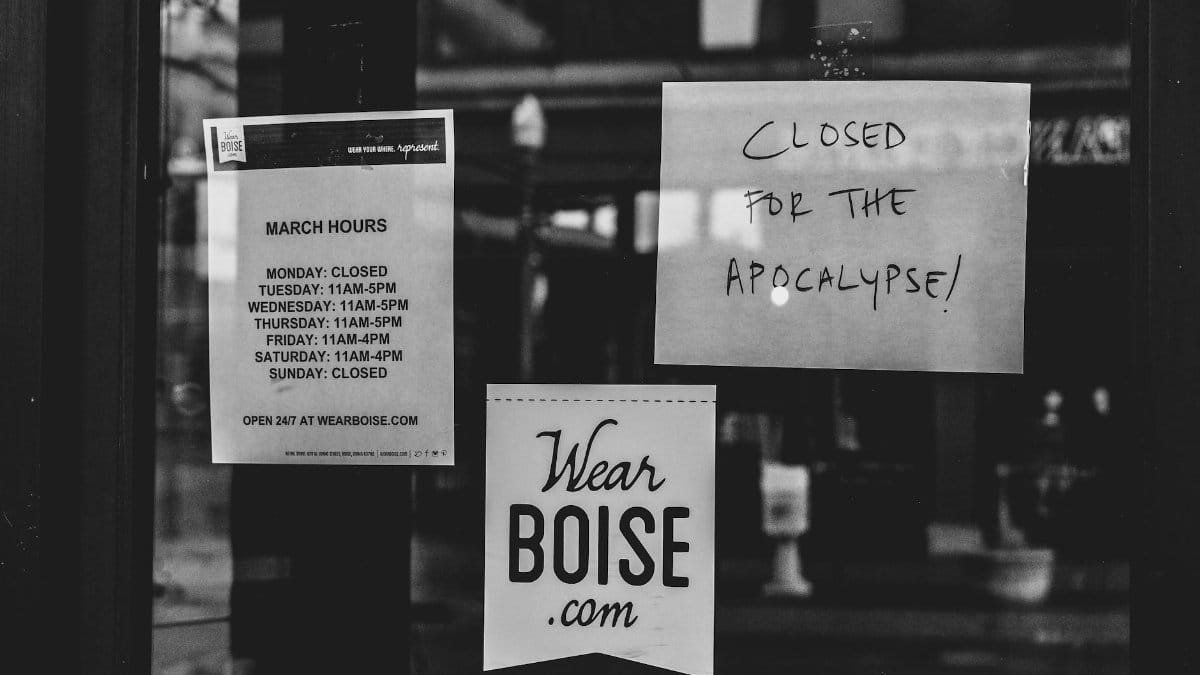
Beyond eateries, florists, caterers and boutique shops are following suit. A Denver based bakery owner added a 1.50 dollar fuel fee per cake order after UPS and FedEx hiked rates. Higher costs fuel surcharges here serve as a lifeline, preserving inventory without slashing quality. The Small Business Administration estimates that transportation expenses have risen 15 percent for non manufacturing firms since January.
Yet innovation emerges: some pivot to local sourcing. A Portland coffee roaster switched to rail delivery, cutting truck dependency by half, though scalability remains limited for most.
Customer Reactions Range from Grumbles to Boycotts

Patrons notice. Social media buzzes with complaints under hashtags like FuelFeeFrustration, where a viral thread from a Texas barbecue joint garnered 50,000 views. Surveys by Morning Consult reveal 41 percent of diners say they tip less or dine out less when surcharges appear. Loyalty wanes; one Florida pizzeria lost 20 percent of regulars after introducing the fee.
Still, empathy tempers outrage. In focus groups conducted by Deloitte, middle aged respondents expressed understanding for geopolitical roots, with 55 percent willing to pay if transparently explained. Transparency matters, notes economist Sarah Chen of the University of Michigan. Opaque fees erode trust; clear signage builds it.
Energy Giants Profit Amid Household Pain

As households shoulder higher costs fuel surcharges at the pump and checkout, oil majors reap windfalls. ExxonMobil reported quarterly profits exceeding 9 billion dollars, bolstered by refined product margins. A study from The Conversation highlights this disparity: while families trim budgets, energy firms stockpile cash (https://theconversation.com/as-war-raises-oil-prices-households-pay-while-energy-companies-profit-278052). U.S. households could face an extra 500 dollars annually in fuel related expenses, per Yale Budget Lab estimates.
This dynamic fuels political scrutiny. Lawmakers from both parties decry profiteering, though proposals for windfall taxes stall in Congress.
Supply Chain Ripples Hit Unexpected Sectors

The surcharge wave extends to florists stocking imported roses, whose air freight costs soared 25 percent, and event planners chartering buses for weddings. Even spiritual retreat centers, fittingly in this era of seeking solace, report hikes in transporting organic provisions. One California ashram organizer noted a 4 percent fee on retreat packages to offset propane for communal kitchens.
Healthcare feels it too: rural clinics paying more for medical supply deliveries pass costs via subtle service adjustments. The ripple underscores oil dependency; the U.S. Energy Information Administration projects sustained high prices through 2025 absent de escalation.
Government Interventions and Policy Debates

Federal responses lag. The Department of Energy released 10 million barrels from the Strategic Petroleum Reserve, a temporary balm yielding just pennies per gallon relief. Bipartisan calls grow for infrastructure investments in electric trucking, though timelines stretch years.
States act swifter: California mandates surcharge disclosures, while Texas offers diesel tax holidays for small fleets. Critics argue these patchwork fixes ignore root causes, urging diplomatic pressure on Iran via allies.
Business Strategies for Long Term Resilience

Owners innovate beyond fees. Gonzalez invested in a secondhand cargo bike for local runs, slashing fuel needs. Menu engineering proliferates: swapping beef for chicken cuts delivery frequency. Technology aids; apps like Routific optimize routes, saving 10 to 20 percent on miles.
Sustainability consultants report a boom in hybrid models, blending surcharges with loyalty discounts. Higher costs fuel surcharges may persist, but they catalyze efficiency.
Consumer Tips to Navigate the New Normal

For readers, choices abound. Opt for neighborhood spots minimizing transport; apps like Too Good To Go rescue surplus food at discounts. Track fees via tools from Consumer Reports, and voice concerns politely, fostering dialogue.
Bulk buying through co ops emerges as savvy. Households forming neighborhood produce shares bypass middlemen, echoing community resilience from past crises.
A Call for Broader Economic Reflection

This moment tests American ingenuity. As Iran tensions simmer, higher costs fuel surcharges remind us of interconnected vulnerabilities. Yet history shows adaptation: the 1970s oil shocks birthed fuel efficiency standards transforming autos.
Today, urgency mounts for diversified energy. Renewables, now 20 percent of U.S. power, offer promise, though scaling lags oil ubiquity. Policymakers and businesses must align, lest everyday enterprises crumble under unrelenting pressure.
In Gonzalez diner, a handwritten note beside the register reads: Together, we weather this. It captures the spirit, blending grit with hope amid uncertainty.