
Sleepmaxxing marks the death knell for grind culture. On January 12, 2026, reports confirmed the shift: prioritizing 10 hours of sleep nightly, even if it means ditching social plans, now stands as the top health achievement. No more late nights or endless hustle. This trend flips the script on exhaustion as a badge of honor. Sleepmaxxing demands total commitment to rest, positioning it as 2026’s ultimate status symbol in wellness circles.
Grind Culture’s Final Days
Grind culture ruled for years, glorifying nonstop work and minimal sleep as paths to success. Sleepless nights became a brag, a sign of dedication. But that era ended abruptly. The January 12 announcement drove it home: grind culture is dead. People now see constant fatigue as a liability, not a virtue. Sleepmaxxing rises in its place, rejecting the old mantra of “sleep when you’re dead.” This pivot reflects broader fatigue with burnout. In U.S. workplaces and social scenes, the push for rest gains traction fast.
Defining Sleepmaxxing
Sleepmaxxing means one thing: carving out a full 10 hours of sleep each night. No compromises. Schedules bend around bedtime, not the other way around. It’s deliberate. Users plan their days to hit that mark, treating rest like a non-negotiable appointment. The term captures a maxed-out approach to sleep, pushing boundaries beyond the standard eight hours. This isn’t casual napping. It’s a structured ritual, often starting with early evenings and strict wind-downs.
The 10-Hour Sleep Target
Ten hours sets sleepmaxxing apart. Health experts long recommended seven to nine hours for adults, but advocates claim more delivers peak recovery.CDC guidelines highlight sleep’s role in daily function, noting shortfalls lead to errors and illness. Sleepmaxxing takes it further, aiming for deep restoration. Users report sharper focus and energy, though it requires slashing other activities. In 2026, this target symbolizes control over one’s health.
Trading Social Life for Rest

Social sacrifices define sleepmaxxing. Late dinners, parties, and hangouts fall by the wayside. Bedtime trumps invites every time. Friends might call it antisocial, but proponents view it as self-preservation. No more FOMO from scrolling at 2 a.m. Instead, mornings bring clarity. This trade-off underscores the trend’s intensity. Social calendars shrink, but personal recharge expands. In fast-paced U.S. cities, where nights often stretch late, sleepmaxxing forces a hard reset on priorities.
Sleep as the Ultimate Health Flex
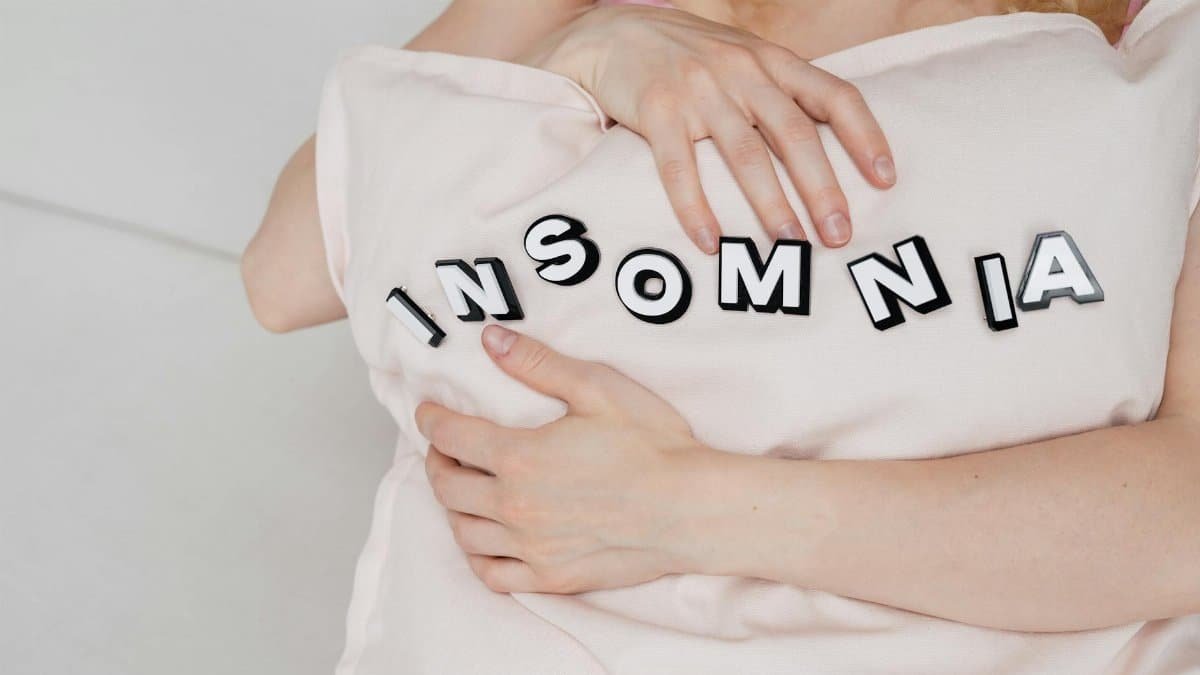
Calling sleepmaxxing the “ultimate health flex” of 2026 elevates rest to elite status. Gone are gym selfies or diet boasts. Now, sharing a perfect sleep score or blackout routine signals superiority. It’s visible proof of discipline. The National Heart, Lung, and Blood Institute backs sleep’s links to heart health and immunity, making the flex credible. In wellness communities, it outshines other habits. Sleepmaxxing proves you’re ahead of the curve, investing in long-term vitality over short-term thrills.
Why Sleepmaxxing Resonates Now
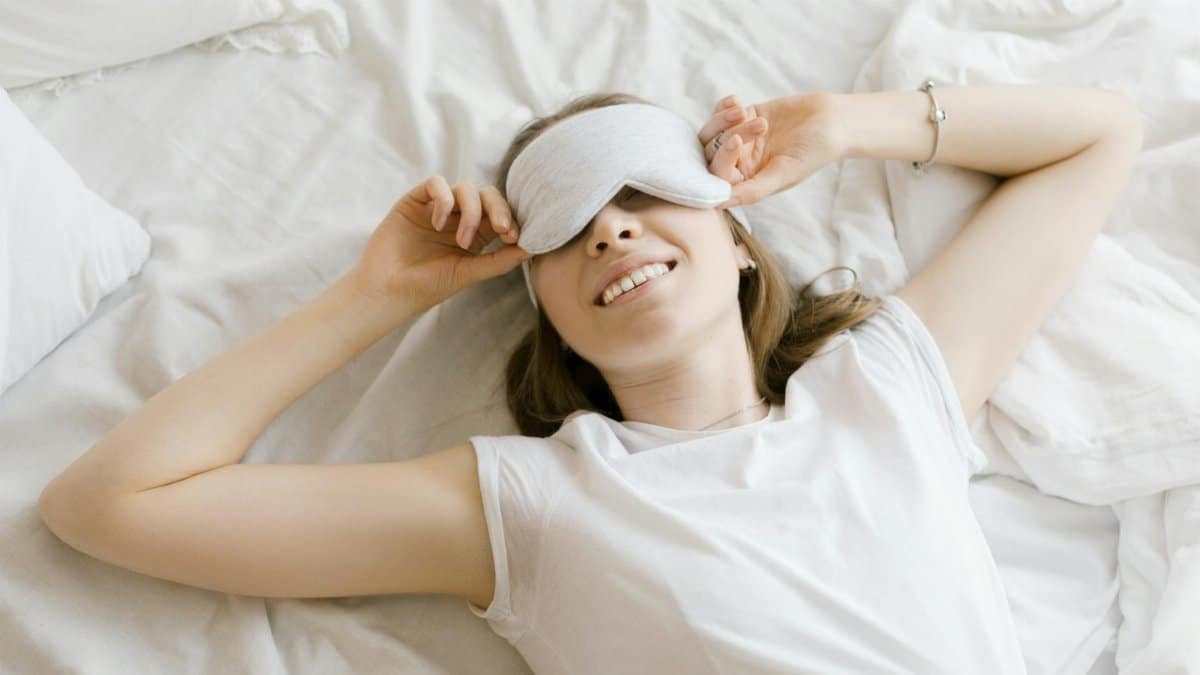
Timing explains sleepmaxxing’s surge. Post-pandemic exhaustion lingers, amplified by hybrid work demands. Grind culture’s toll—stress, errors, breakdowns—hit critical mass. The January 12 declaration crystallized it. People crave sustainability. Sleepmaxxing offers a simple fix: more rest, less everything else. U.S. trends show rising interest in recovery protocols. It’s practical rebellion against overload, fitting 2026’s focus on quality over quantity.
Implementing Sleepmaxxing Daily
Start early. Sleepmaxxers set fixed bedtimes, often 9 p.m. for a 7 a.m. wake-up. Evenings clear out: no screens, no caffeine past noon. Weekends align too—no sleeping in disrupts the rhythm. Tracking apps monitor quality, adjusting as needed. Consistency builds the habit. Challenges arise, like work deadlines, but flexibility within the 10-hour frame keeps it viable. Results? Sustained energy that grind culture never matched.
Challenges and Criticisms
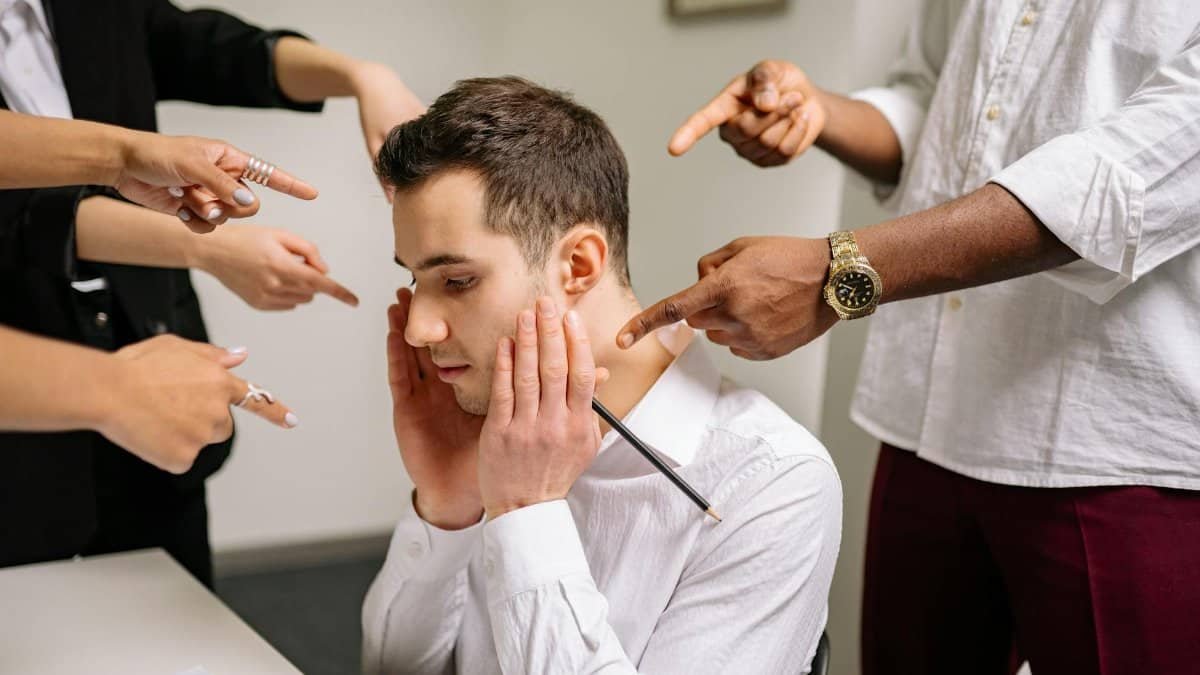
Not everyone buys in. Critics say 10 hours feels excessive, potentially isolating. Social life erosion worries some, labeling it extreme. Sleepmaxxers counter that quality connections need energy too. Fitting it into packed schedules tests commitment. Yet the health flex allure overrides doubts for many. In 2026, debates rage online, but adoption grows. It’s polarizing, much like past wellness fads, but rooted in real recovery needs.
Sleepmaxxing’s Broader Impact
This trend ripples out. Workplaces may adapt with later starts. Social norms shift toward daytime meetups. Health discussions prioritize sleep over hustle metrics. Sleepmaxxing challenges the American dream’s nonstop ethos. By declaring grind culture dead, it paves the way for balanced living. In U.S. culture, where productivity reigns, this flex redefines success. Expect more converts as benefits prove out.