

Psychologists are reporting a record rise in “sleep divorce” among couples in early 2026. This practice—opting for separate beds—aims to safeguard relationships by eliminating the strains of shared sleep disruptions. Experts argue it maintains intimacy levels precisely by countering sleep deprivation’s toll. As sleep issues plague more partnerships, this shift marks a pragmatic response to modern rest challenges.
What Is Sleep Divorce?

Sleep divorce refers to couples choosing separate sleeping arrangements, typically separate beds in the same home. Psychologists highlight this as a deliberate strategy, not a sign of discord. The term captures a growing trend where partners prioritize individual rest without sacrificing their bond. In early 2026, this approach gained traction as a straightforward fix for nighttime conflicts. Separate beds allow each person to tailor their sleep environment—be it temperature, light, or mattress firmness—without compromise. This setup sidesteps the daily grind of one partner’s snoring, restlessness, or insomnia invading the other’s space.
Record Rise in Early 2026

Data from psychologists points to unprecedented numbers embracing sleep divorce by January 2026. This surge reflects heightened awareness of sleep’s role in daily life. Couples previously enduring shared discomfort now view separation as viable. The timing aligns with post-holiday fatigue peaks, when accumulated sleep debt amplifies relational stress. Experts track this as the sharpest increase yet, signaling a cultural pivot toward rest as a relational priority. No longer taboo, sleep divorce emerges as a normalized choice in 2026’s fast-paced world.
Psychologists’ Key Observations
Leading psychologists emphasize sleep divorce’s protective effects. They note it directly addresses sleep deprivation’s ripple effects on partnerships. By January 15, 2026, professionals observed couples reporting sustained closeness post-adoption. These experts base claims on clinical patterns, where better rest correlates with improved interactions. Sleep divorce removes nightly battles, fostering daytime harmony. Psychologists stress this isn’t abandonment but enhancement—partners reconnect refreshed, free from exhaustion-fueled arguments.
For deeper context on sleep’s relational impact, see the American Psychological Association’s analysis linking poor sleep to marital strain.
Sleep Deprivation’s Hidden Friction

Sleep deprivation acts as silent sabotage in relationships. It breeds irritability, reduces empathy, and escalates minor disagreements. When one partner tosses all night, the other suffers interrupted cycles, compounding fatigue. Psychologists identify this as core “friction”—the invisible wear that erodes intimacy over time. In shared beds, mismatched schedules or habits amplify the issue. Early 2026 records show this dynamic pushing more couples toward separation for survival. Chronic tiredness dulls emotional connections, turning rest into a battleground.
How Separate Beds Preserve Intimacy

Psychologists claim sleep divorce bolsters intimacy by ensuring quality rest. Refreshed partners engage more fully during waking hours. Without sleep debt, affection flows naturally—no resentment from midnight disruptions. This practice decouples rest from romance, allowing both to thrive independently yet together. Couples maintain shared spaces for connection, reserving beds for solo recharge. The result? Stronger bonds, as experts observe in rising adoption rates. Intimacy flourishes when deprivation’s shadow lifts.
Supporting evidence appears in resources like the Sleep Foundation’s overview, detailing benefits for couple dynamics.
Breaking the Sleep-Relationship Cycle
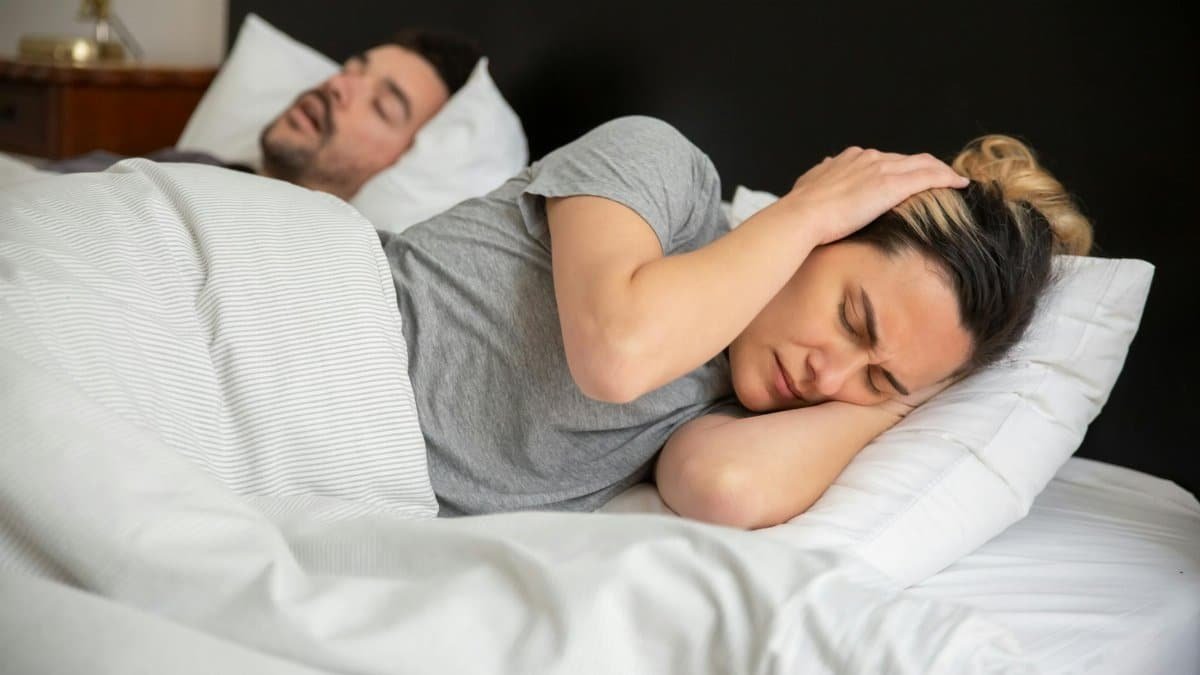
The cycle is clear: poor sleep fuels conflict, conflict worsens sleep. Sleep divorce interrupts this loop at its source. Psychologists note partners sleep deeper alone, waking energized for mutual support. Early 2026’s record rise underscores urgency—couples refuse to let rest deficits dictate their future. This hack restores balance, proving physical separation can draw emotional closeness nearer.
Real-World Implications for Couples

For U.S. couples facing 2026’s demands, sleep divorce offers relief. Psychologists report it sustains long-term unions by prioritizing health. No need for drastic changes—just rearranged bedrooms. This trend highlights evolving views on marriage: flexible, rest-informed. As adoption climbs, it challenges old norms, affirming sleep’s foundational role.
Expert Advice on Implementation

Psychologists recommend open talks before separating beds. Frame it as teamwork against sleep woes. Test short-term to gauge fit. Maintain rituals like morning coffee together to nurture ties. In 2026’s context, this positions sleep divorce as accessible self-care. Experts predict sustained growth as benefits prove out.
Broader Trends in Rest and Relationships

The 2026 uptick ties to wider sleep awareness. Psychologists link it to post-pandemic recovery, where deprivation’s costs hit home. Sleep divorce stands out for its simplicity amid complex fixes. It preserves what matters—intimacy—by tackling friction head-on. As records confirm, couples lead healthier lives apart at night, united by day.