

In the rolling fields north of Seattle where the Skagit River meets Puget Sound the rhythm of planting and harvest has long reflected broader shifts in how America approaches its meals. Decades ago a small group of determined growers began experimenting with methods free of synthetic chemicals at a time when such practices drew skepticism from many peers. Their efforts helped lay groundwork for organic production on a larger scale. Today Skagit Valley farmers confront a different test as they seek to hand over their operations to younger hands while markets evolve and weather patterns grow less predictable.
Foundations of a Farming Movement
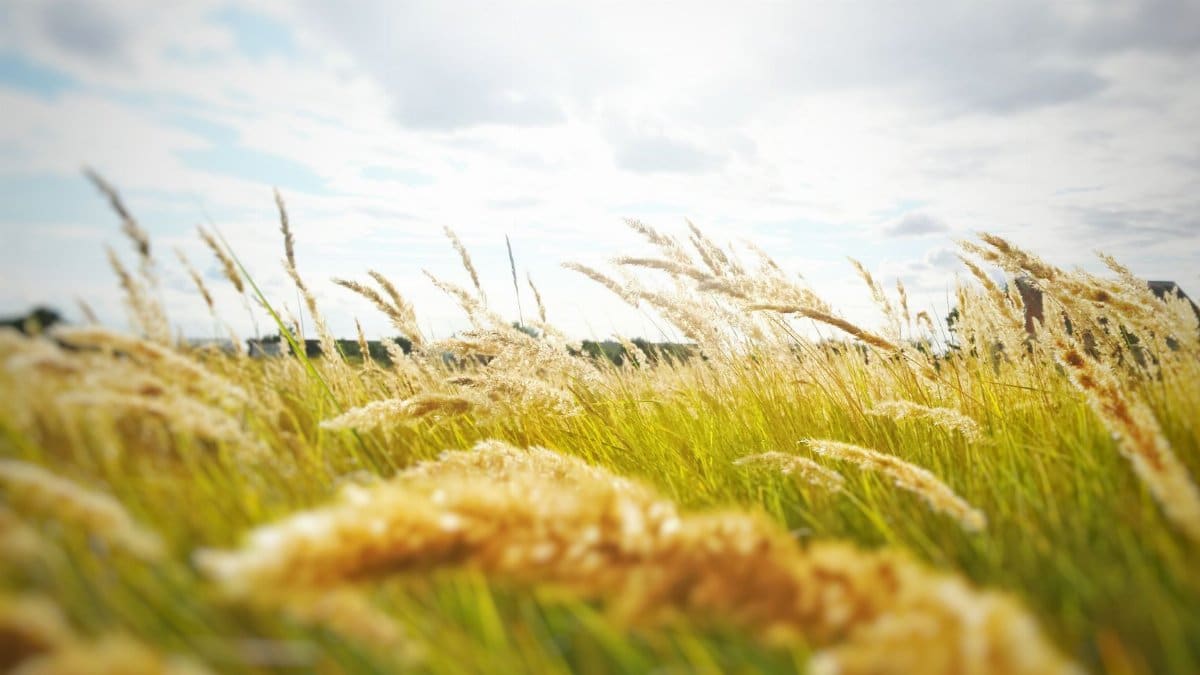
The initial experiments drew from both practical necessity and a desire to protect soil health over the long term. Growers focused on rotations cover crops and natural pest control long before these ideas entered mainstream conversations. Their persistence gradually attracted attention from distributors and consumers seeking alternatives to conventional produce.
Expansion Beyond Local Markets

What began as a regional effort soon influenced supply chains reaching stores across the country. These operations demonstrated that organic methods could sustain viable businesses even in a valley known for its diverse crops including berries and vegetables. The success encouraged others to adopt similar approaches in neighboring areas.
Passing Operational Knowledge

Many current operators now spend considerable time documenting techniques and decision making processes for those who will follow. This transfer involves more than equipment or land titles. It requires sharing insights about soil conditions seasonal timing and relationships with buyers built over years.
Weather Patterns and Adaptation

Changing conditions have prompted adjustments in planting schedules and crop selections. Some have introduced new varieties better suited to variable rainfall while others experiment with irrigation improvements. These steps aim to maintain productivity without compromising the principles established decades earlier.
Economic Realities of Modern Agriculture
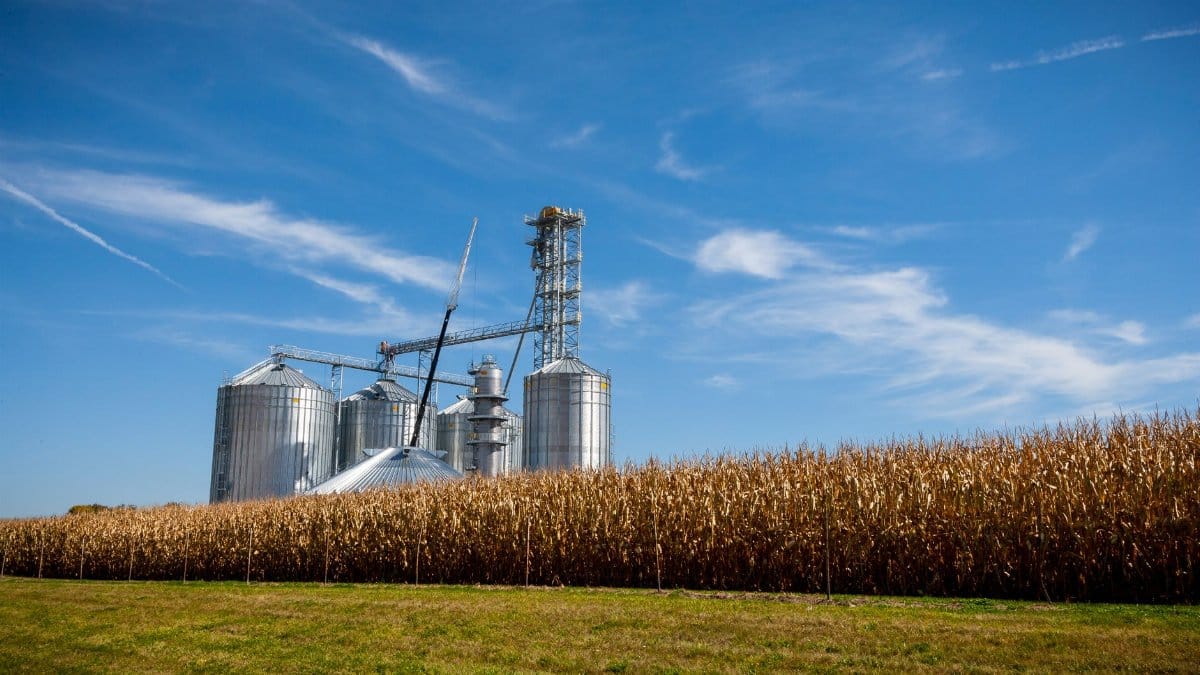
Rising costs for labor and inputs combined with fluctuating prices create ongoing pressures. Operators balance the premium associated with organic certification against competition from larger scale producers. Financial planning now forms a central part of succession discussions.
Community Ties and Shared Values

The valley maintains a network of growers who exchange information and support one another during difficult seasons. This collaboration extends to educational programs aimed at introducing young people to agricultural careers. Such connections reinforce a sense of continuity that extends past individual farms.
Stories of Transition in Practice

Several families have completed handovers in recent years with mixed results that offer lessons for others. In one case a longtime operator partnered with a local apprentice to gradually shift responsibilities over multiple seasons. The approach allowed time for adjustments on both sides.
Future Prospects for the Valley
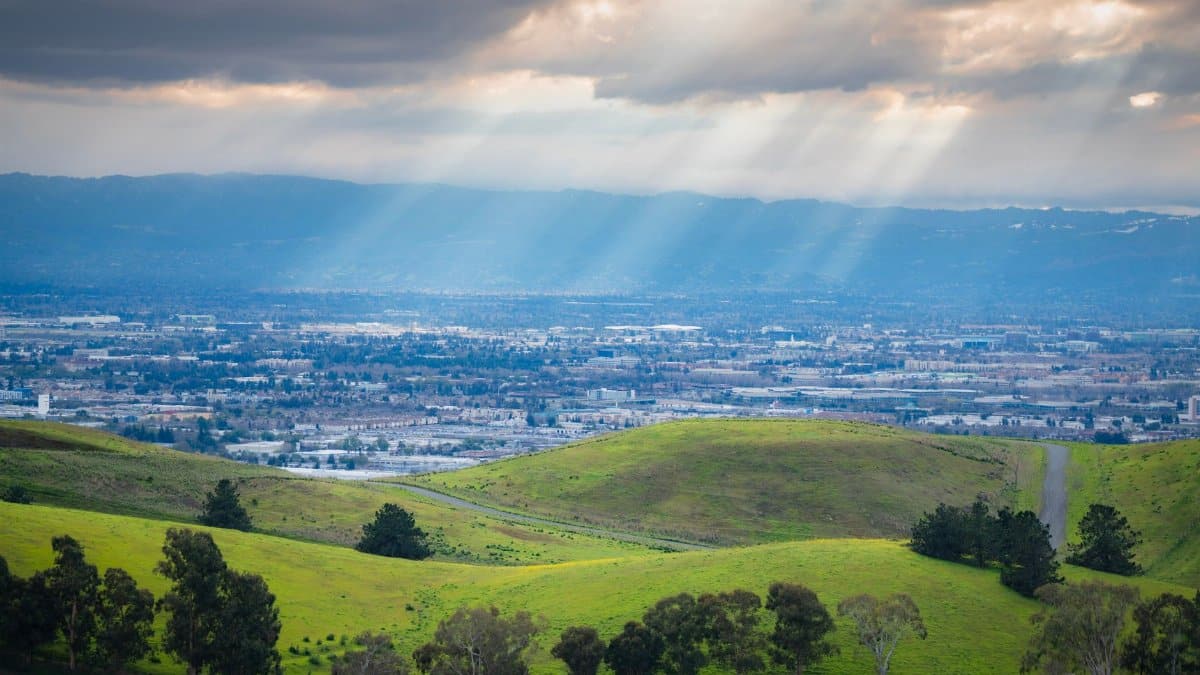
Observers note that sustained success will depend on continued innovation alongside respect for established methods. The next cohort of operators brings fresh perspectives on technology and consumer preferences. Their ability to integrate these elements while honoring prior commitments will shape outcomes for years ahead.
Reflections on Enduring Practices

The work of Skagit Valley farmers continues to illustrate how individual choices accumulate into wider influence. As land and expertise move forward the emphasis remains on stewardship that values both productivity and the land itself. This ongoing process reflects broader questions about food origins and generational responsibility.