

New data shows 40% of Miami residents report using alternative therapies like sound relaxation healing to combat daily stress, up from just 15% five years ago. In a city buzzing with traffic jams, humid heat, and relentless hustle, people are turning to soothing sounds for relief. Sound relaxation healing, which involves using vibrations from instruments like gongs or singing bowls, promises to ease tension and promote mental clarity. Experts say it’s gaining traction amid rising anxiety levels, offering a non-invasive way to unwind. But is this trend backed by science, or just another wellness fad? Miami’s stressed-out workforce is betting on the former.
The Hidden Stressors Plaguing Miami

Miami’s vibrant scene comes with a price. Constant noise from construction sites and nightlife keeps cortisol levels high for many. A recent survey by the University of Miami found that urban noise pollution contributes to 25% of reported sleep disturbances in the area. Add in economic pressures from high living costs, and it’s no wonder locals feel on edge. Sound relaxation healing steps in as a countermeasure, using targeted frequencies to drown out the chaos and restore balance.
Unpacking Sound Relaxation Healing Basics
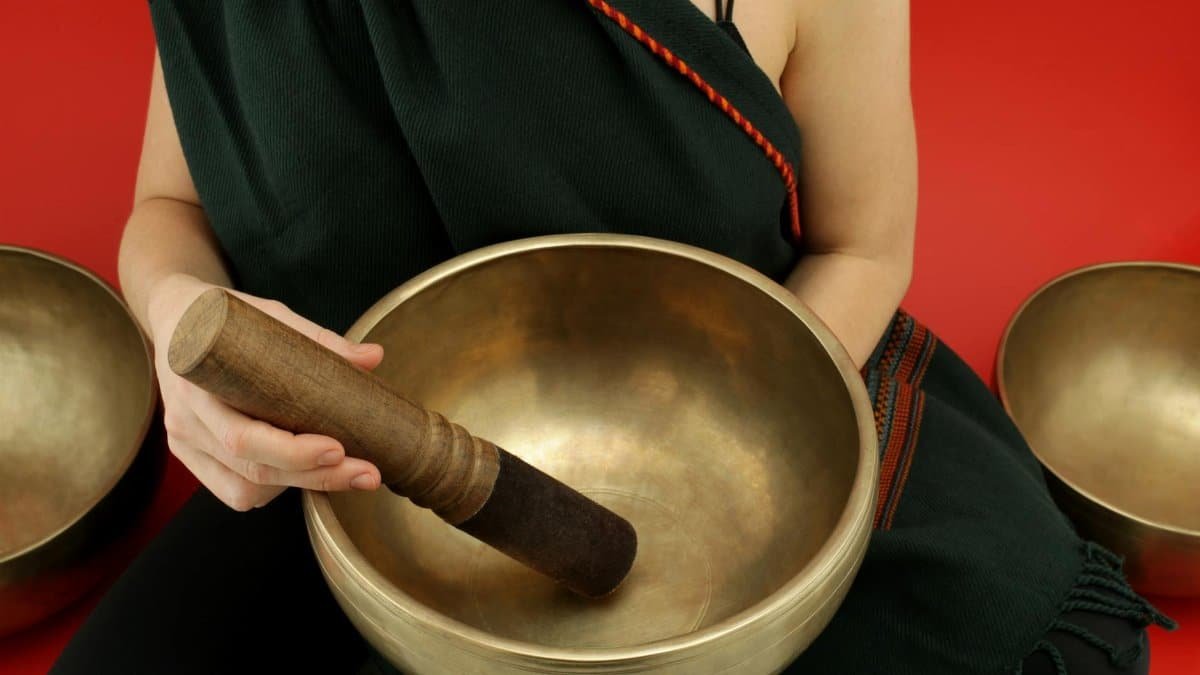
At its core, sound relaxation healing harnesses auditory vibrations to influence brain waves and reduce stress responses. Practitioners use tools like crystal bowls or tuning forks to create resonant tones that promote relaxation. Sessions often last 30 to 60 minutes, guiding participants into a meditative state. In Miami, studios like those in Wynwood offer group classes where attendees lie down and let the sounds wash over them. It’s not magic—it’s about stimulating the parasympathetic nervous system for calm.
Scientific Evidence Supporting the Practice

Research backs up the benefits. A study published in the Journal of Evidence-Based Integrative Medicine showed that sound therapy can lower blood pressure and anxiety in participants after just one session.Journal of Evidence-Based Integrative Medicine Study. Another report from the National Institutes of Health highlights how vibrational therapies aid in stress reduction by altering brain activity patterns.NIH on Sound Healing. In Miami, therapists report clients experiencing measurable drops in heart rate variability during treatments.
Real Stories from Miami Locals
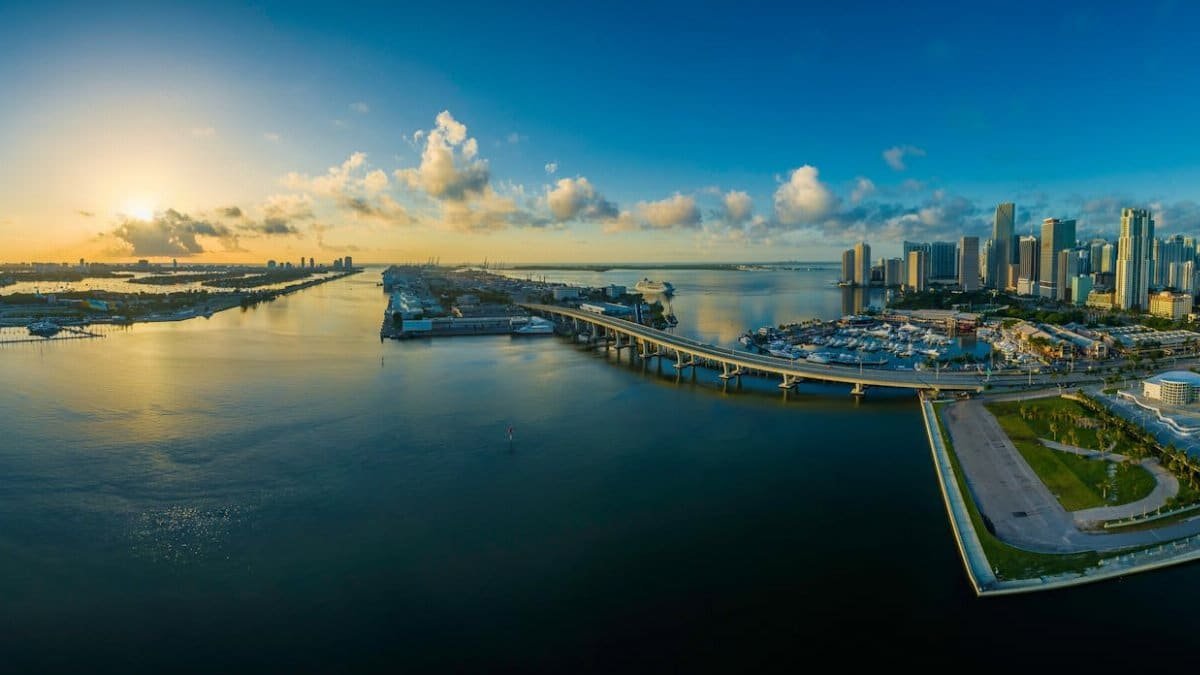
Take Maria Gonzalez, a 35-year-old nurse in South Beach. She started sound relaxation healing after burnout from long shifts. “It was like flipping a switch,” she says. “The sounds melted away my worries.” Similarly, tech entrepreneur Alex Rivera credits weekly sessions for boosting his focus amid startup chaos. These anecdotes reflect a broader trend: Miami’s diverse population, from executives to artists, finds solace in this auditory escape. Local wellness centers note a 30% uptick in bookings over the past year.
Challenges in Accessing Sound Therapy
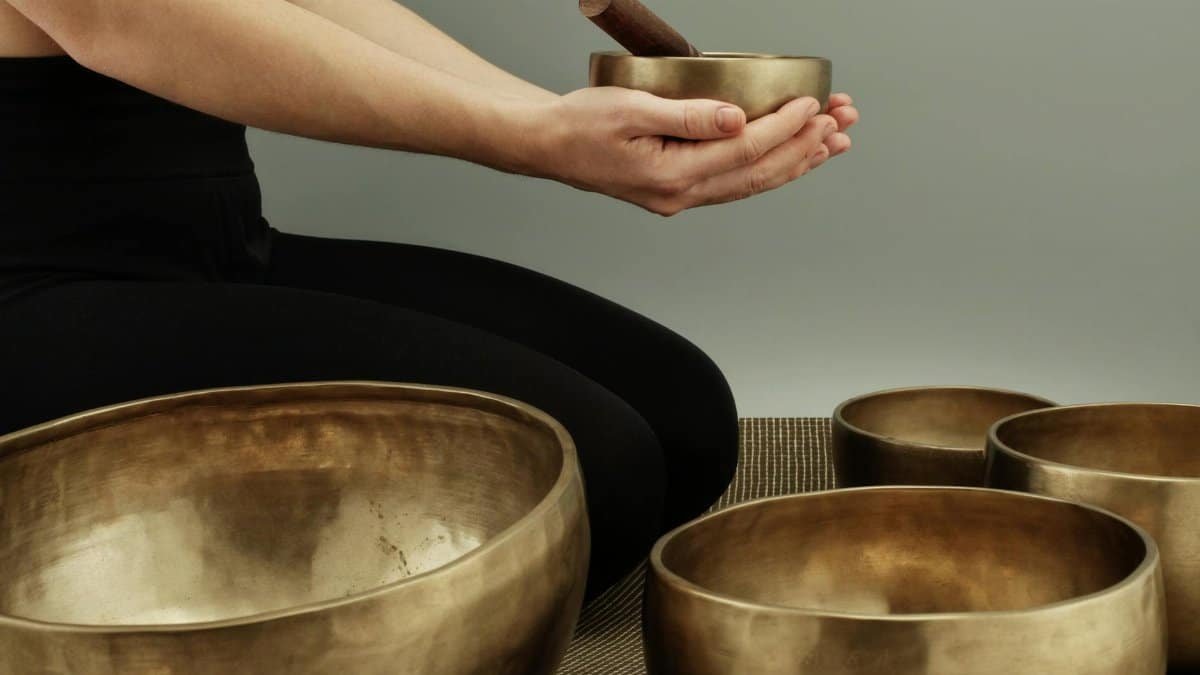
Not everyone in Miami can easily tap into sound relaxation healing. Cost is a barrier, with sessions running $50 to $150 each. Accessibility issues persist in underserved neighborhoods like Liberty City, where wellness options are scarce. Critics argue it’s a luxury for the affluent, leaving lower-income residents reliant on free apps or community events. Still, some studios offer sliding-scale fees to broaden reach, aiming to make healing sounds available citywide.
Integrating Sound Healing into Daily Life
Beyond professional sessions, Miami folks incorporate sound relaxation healing at home. Apps deliver binaural beats through headphones, simulating the effects of live instruments. Residents like yoga instructor Lena Torres blend it with morning routines, using playlists of ocean waves mixed with chimes. Experts recommend starting small: 10 minutes a day to build resilience against stress triggers. In a city that never sleeps, these simple practices help maintain equilibrium.
Expert Insights on Effectiveness
Dr. Elena Vasquez, a psychologist at Jackson Memorial Hospital, weighs in: “Sound therapy isn’t a cure-all, but it complements traditional treatments for anxiety.” She points to studies showing reduced PTSD symptoms in veterans through similar methods. In Miami’s humid climate, where heat exacerbates irritability, Vasquez sees sound relaxation healing as a tool for building emotional resilience. Therapists emphasize combining it with therapy for best results, not as a standalone fix.
Community Impact and Group Sessions

Miami’s beaches and parks host free sound baths, drawing crowds eager for collective calm. Events at places like the Adrienne Arsht Center feature live performances that foster community bonds. Participants report feeling more connected after shared experiences, countering the isolation of urban life. As stress levels rise with events like hurricane season, these gatherings provide a vital outlet, turning individual healing into a communal strength.
Potential Drawbacks and Precautions
While promising, sound relaxation healing isn’t without risks. Loud volumes can trigger migraines in sensitive individuals, and those with epilepsy should consult doctors first. Skeptics question the placebo effect, urging more rigorous trials. In Miami, where alternative medicine thrives, consumers are advised to choose certified practitioners to avoid subpar experiences. Balancing enthusiasm with caution ensures safe exploration of this growing trend.
Broadening Horizons for Stress Management

As Miami evolves, sound relaxation healing represents a shift toward holistic wellness. With mental health resources strained post-pandemic, it’s filling gaps left by conventional care. Local initiatives, like partnerships with public health programs, aim to integrate it into broader strategies. For a city grappling with silent stressors, this auditory approach offers hope, helping residents navigate daily pressures with renewed vigor.