

Stop manifesting and start digging into your psyche. Shadow work journaling—writing about your darkest traits—has emerged as the controversial psychology trend dominating TikTok in 2026. Dated January 15, this shift marks a pivot from feel-good affirmations to raw self-confrontation. Users trade vision boards for notebooks, probing hidden flaws and suppressed impulses. Critics question its safety without professional guidance, while proponents hail it as essential mental clarity. The platform’s algorithm fuels millions of views, turning personal journals into viral challenges.
What Defines Shadow Work Journaling?

Shadow work journaling centers on deliberate writing exercises that target the “shadow”—those darkest traits individuals often ignore or deny. Unlike surface-level gratitude logs, this practice demands users list and dissect qualities like jealousy, rage, or selfishness. The goal? Illuminate what lurks beneath conscious awareness. On TikTok, creators share prompts urging viewers to journal responses to questions such as “What triggers your deepest insecurities?” This trend reframes self-improvement as excavation rather than elevation, pushing participants to own their full humanity.
Journaling the Darkest Traits

At its core, shadow work involves chronicling unflattering aspects of the self. Practitioners describe sessions where they confront traits they’ve buried, such as manipulative tendencies or unspoken resentments. The process unfolds through repeated entries, building awareness over time. TikTok videos showcase before-and-after transformations, with users reporting breakthroughs after weeks of consistent practice. This isn’t casual doodling; it’s structured probing designed to integrate the shadow, preventing it from sabotaging daily life. The intimacy of pen-to-paper amplifies the intensity, making each page a mirror to the unvarnished self.
The TikTok Explosion

TikTok has propelled shadow work into the mainstream in 2026, with dedicated accounts racking up billions of collective views. Short-form videos break down journaling techniques into digestible 60-second clips, complete with eerie music and dim lighting for dramatic effect. Hashtags like #ShadowWorkJournal and #DigIntoYourDarkness trend weekly, spawning duets where users react to their own revelations. The platform’s youth-driven user base latches onto the raw authenticity, contrasting polished influencer content. This viral mechanics turns solitary journaling into a communal rite, accelerating its spread across U.S. feeds.
Why It’s Controversial

Not everyone embraces shadow work’s intensity. Detractors argue that unsupervised journaling about dark traits risks emotional overload, potentially exacerbating anxiety or resurfacing trauma without coping tools. Psychologists warn of the trend’s DIY nature, likening it to amateur therapy. Supporters counter that avoidance of the shadow breeds dysfunction, citing its roots in established psychological frameworks. The debate rages in comment sections, with viral threads pitting “healing through honesty” against “reckless self-diagnosis.” This polarization underscores the trend’s edge, drawing both fascination and fear.
For deeper insight into the psychological concept of the shadow self, see Psychology Today’s overview.
From Manifesting to Shadow Digging
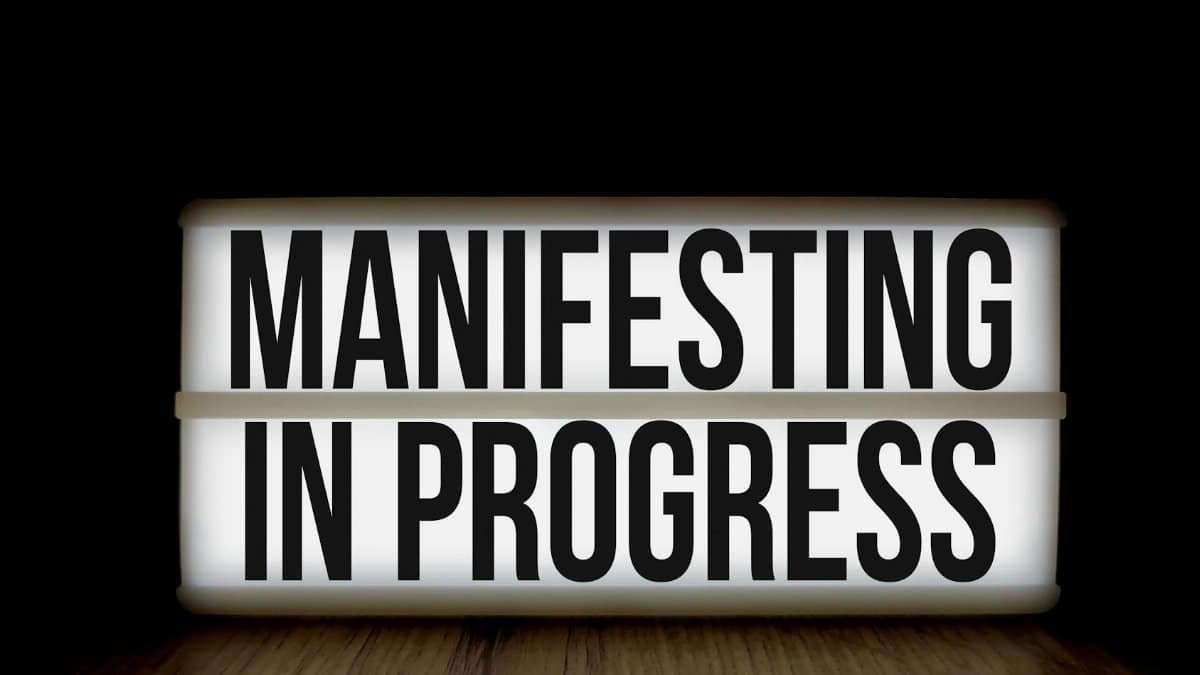
The rallying cry—”Stop manifesting and start digging”—signals a backlash against 2020s manifestation culture. Where law-of-attraction routines focused on positive visualization, shadow work insists on groundwork first. Manifesting promised quick wins through affirmations; shadow journaling demands gritty acknowledgment of barriers like self-sabotage. TikTok timelines reflect this evolution, with former manifestation gurus pivoting to shadow prompts. Users report stalled progress until they addressed inner darkness, framing the shift as maturation in self-help. In 2026, this represents a cultural correction toward depth over delusion.
Psychological Foundations
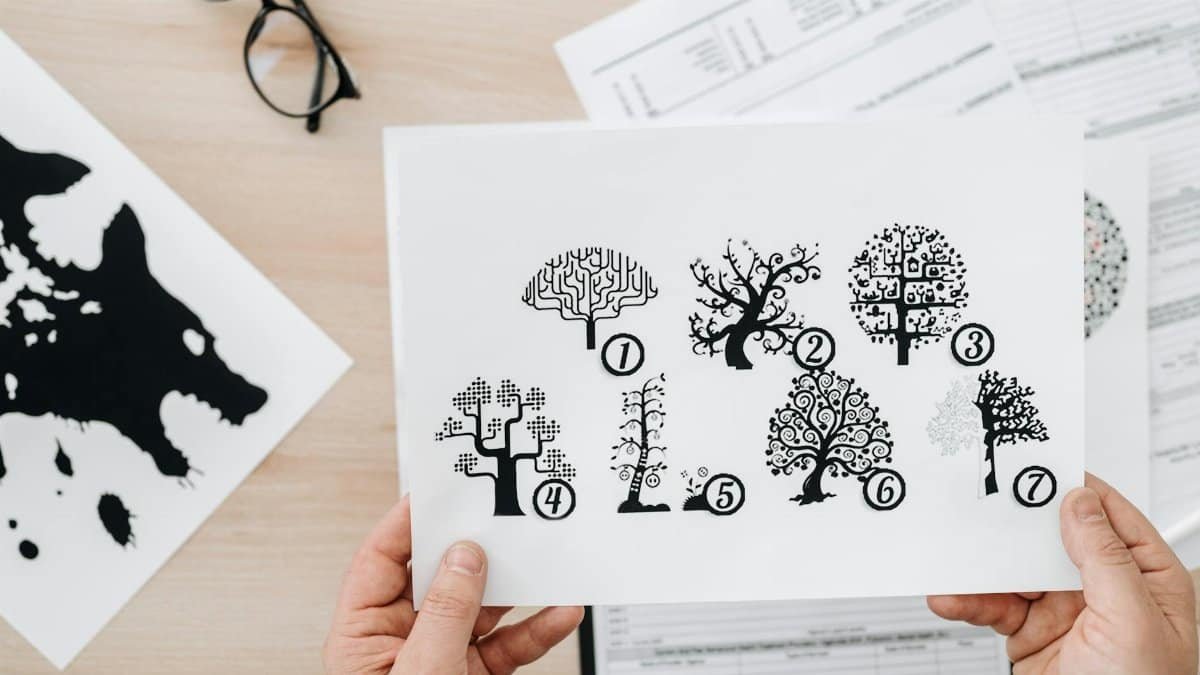
Shadow work draws from psychology’s exploration of the unconscious, emphasizing integration over repression. By journaling dark traits, individuals aim to neutralize their destructive power. This mirrors therapeutic techniques where unexamined shadows manifest as projections onto others. TikTok adapts these ideas into accessible formats, blending pop psychology with time-tested principles. Practitioners note reduced reactivity in relationships after consistent use, attributing it to heightened self-awareness. The trend’s rise highlights a hunger for substance amid fleeting wellness fads.
Explore Carl Jung’s original ideas on the shadow in resources from The Jung Page, a repository of analytical psychology scholarship.
Practical Steps in the Trend

TikTok tutorials outline shadow work as nightly rituals: select a prompt, free-write without judgment, then reflect on patterns. Common exercises include mapping triggers to childhood echoes or role-playing dialogues with one’s shadow. Videos stress privacy—no sharing raw entries—to protect vulnerability. Beginners start small, perhaps listing three “unlovable” qualities daily. Advanced users layer in art or voice notes for multimedia depth. The trend’s accessibility lies in zero-cost entry, just a journal and phone, fueling its 2026 dominance.
U.S. Cultural Shift

In the U.S., shadow work journaling taps into a broader mental health reckoning. Post-pandemic, Americans seek tools beyond apps and pills, turning to introspective practices. TikTok’s U.S. servers amplify the trend domestically, with regional creators tailoring prompts to cultural stressors like workaholism or social isolation. Schools and workplaces buzz with whispers of its benefits, though experts urge balance with professional care. This grassroots momentum positions shadow work as more than a phase—potentially a staple in 2026’s wellness lexicon.
Future Implications on Platforms

As shadow work saturates TikTok, expect spin-offs to Instagram Reels and YouTube. The trend challenges platforms to moderate intense content, sparking discussions on mental health guidelines. Creators monetize through journal kits and courses, blending commerce with catharsis. For users, it promises lasting resilience, but only if paired with discernment. In 2026, this dark journaling wave redefines personal growth, urging a confrontation with the self that manifestation sidestepped. The digging continues.