
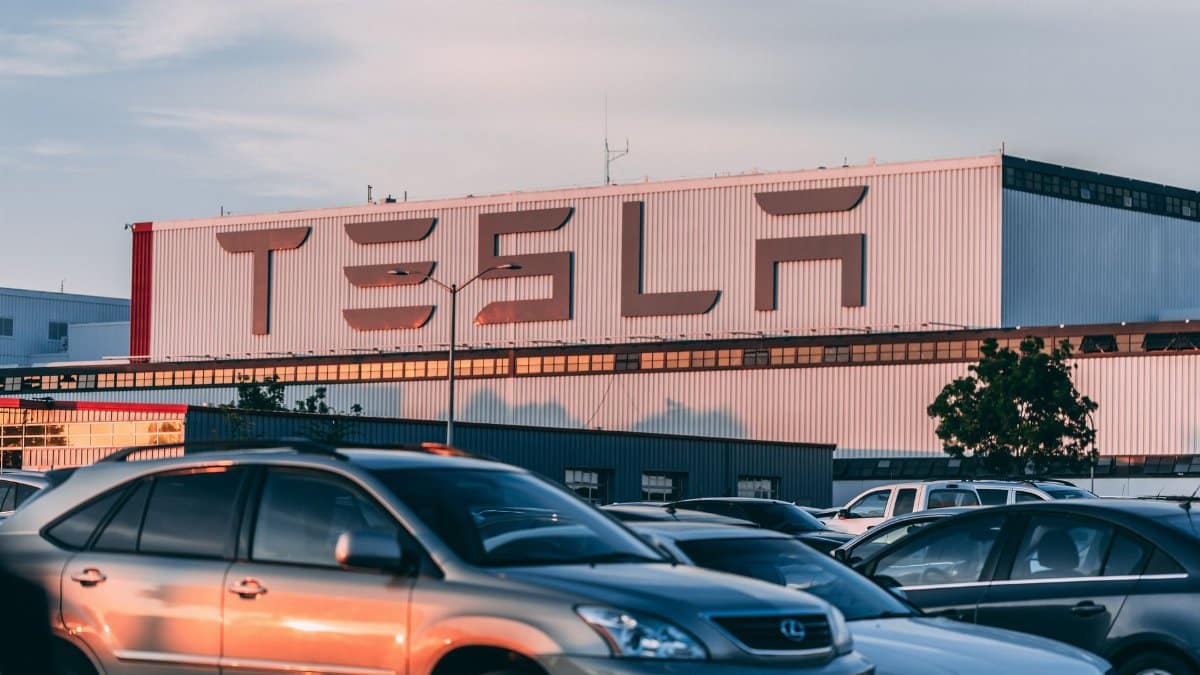
In the heart of San Francisco a series of evening gatherings outside local Tesla facilities has turned neighborhoods upside down for many who call the Western Addition home. What began as small scale expressions of dissent has grown into repeated events that fill the air with chants songs and amplified voices well into the night. City records show a sharp increase in formal grievances filed by people living nearby prompting officials to examine how such activities affect daily life. The term Tesla Protest Noise captures the core issue that now dominates conversations among residents and policymakers seeking balance between public expression and personal tranquility.
Origins of the Gatherings in San Francisco
Protests against political figures and corporate ties started modestly last year with participants focusing on showrooms as symbolic targets. Organizers chose locations in the Western Addition because of high foot traffic and visibility. Over time attendance swelled as word spread through social channels leading to weekly events that draw dozens and sometimes hundreds of people.
Effects on Daily Life for Local Residents
Families report disrupted sleep patterns and difficulty concentrating during work hours from home. Older adults in particular describe heightened stress levels when horns and loudspeakers echo through residential blocks. Many say they have altered routines such as closing windows early or avoiding outdoor time after sunset to cope with the ongoing disturbances.
City Records on Complaint Increases
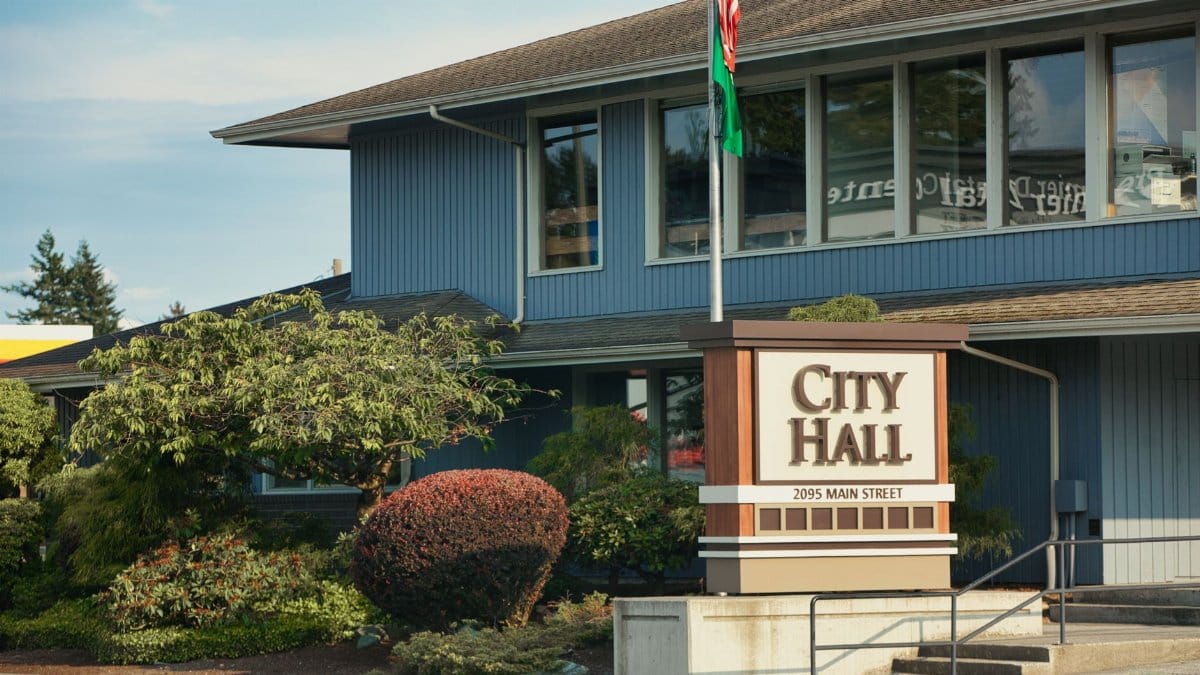
Official logs from San Francisco departments reveal hundreds of new filings in recent months tied directly to these events. Data indicates clusters around protest nights with peaks on weekends. Analysts note this pattern exceeds typical urban noise issues and points to a concentrated source rather than scattered problems.
Responses from Law Enforcement Agencies
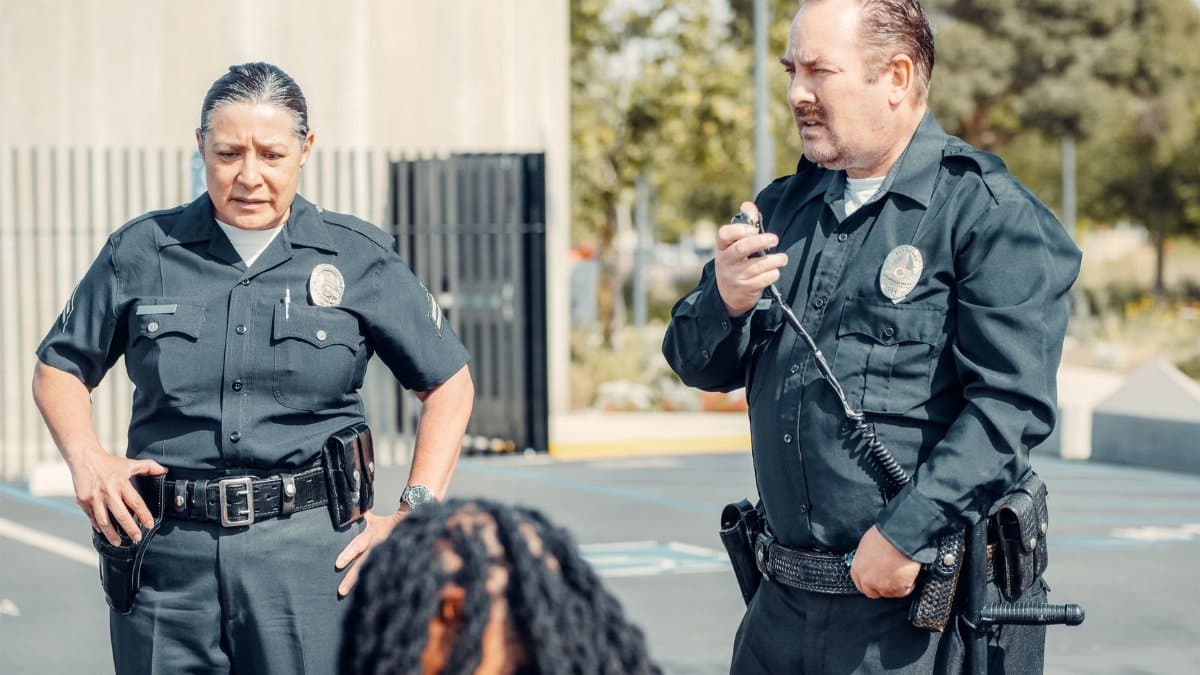
Police have increased patrols in the area during scheduled protest times yet enforcement remains limited by free speech protections. Officers often mediate between groups and complainants rather than issue citations. Some residents call for clearer guidelines on volume limits while others fear escalation if rules tighten too quickly.
Legal Questions Around Public Demonstrations
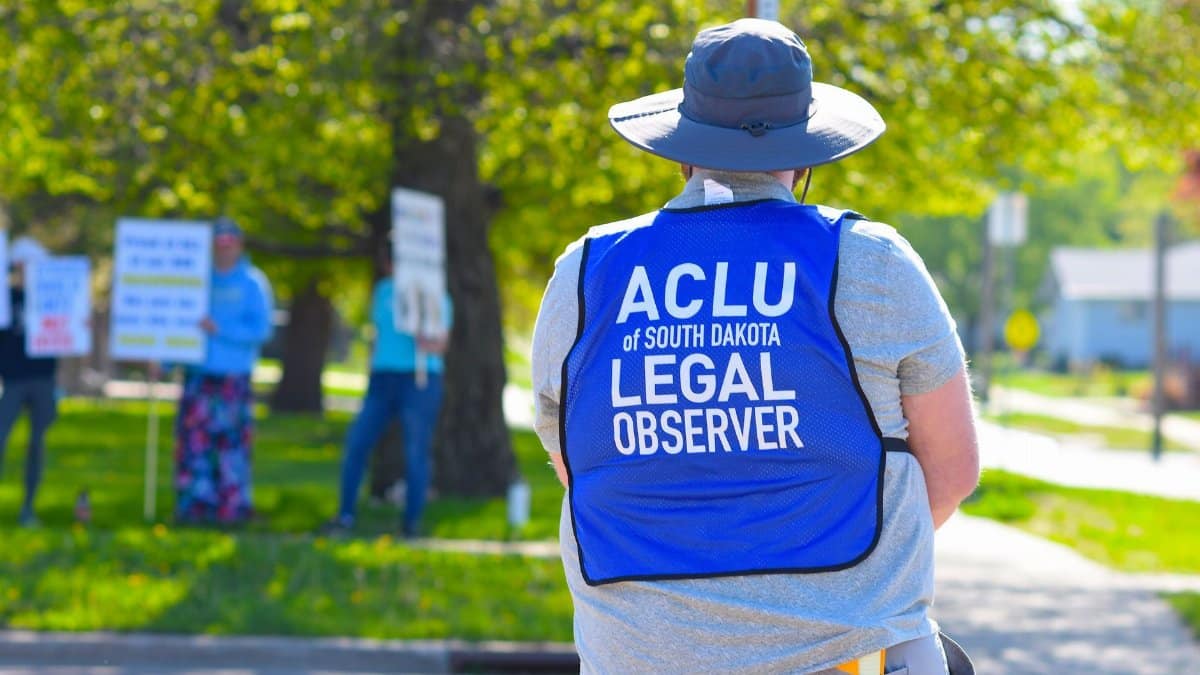
Courts have long upheld rights to assemble but noise ordinances provide avenues for limits on amplification and duration. Lawyers on both sides review past cases involving similar urban protests to argue for or against restrictions. City attorneys explore updated permits that might address volume without curbing participation.
Views from Community Organizations
Local groups split in their assessments with some supporting the messages behind the events and others prioritizing peace for vulnerable populations. Meetings at community centers have featured heated yet civil debates on shared values. Several leaders propose designated zones away from homes to reduce friction.
Comparisons with Past Urban Protest Waves
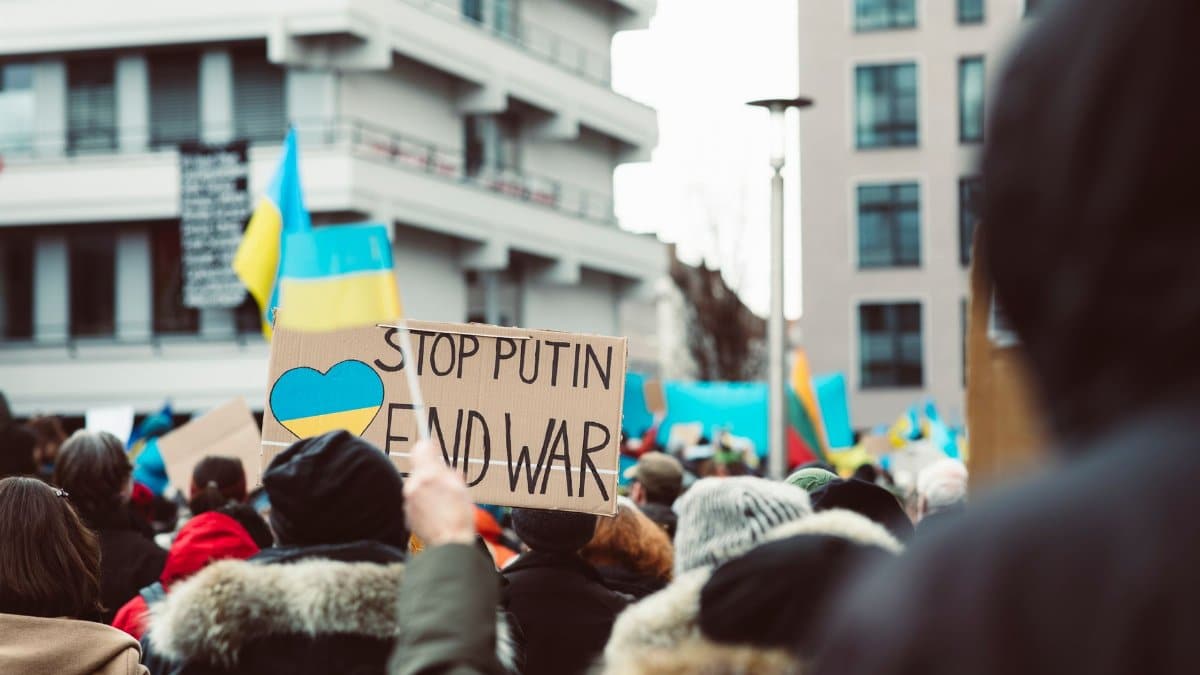
Similar surges in complaints occurred during earlier movements focused on social issues yet those tended to disperse more quickly. Current patterns show persistence that strains resources at city agencies. Observers suggest lessons from history could guide new approaches tailored to this setting.
Potential Paths Forward for All Involved
Discussions continue among stakeholders about voluntary agreements on timing and sound levels. Some propose technology like directional speakers to focus audio away from residences. Broader dialogue may yield solutions that respect expression while restoring a sense of normalcy to affected blocks.