
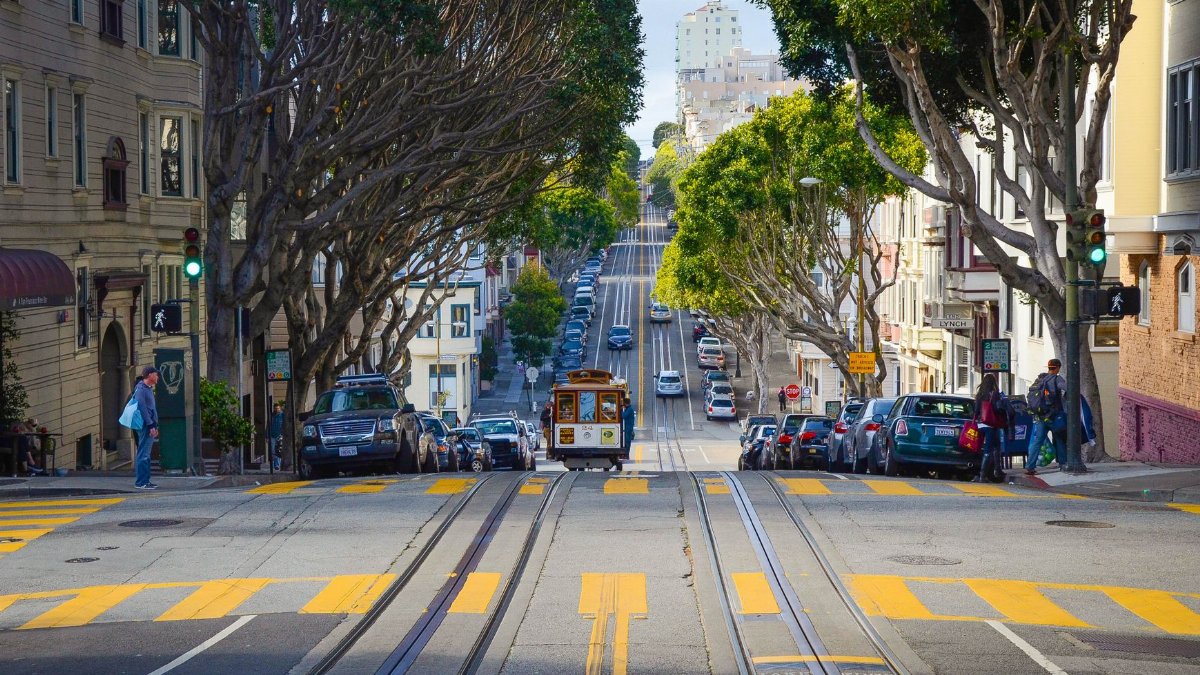
San Francisco officials have long debated how to sustain one of the city most iconic attractions amid mounting expenses. The recent vote to raise the Cable Car Fare marks a pivotal moment for residents and tourists alike who rely on this historic system for daily travel and leisurely exploration. With operating costs climbing due to labor, maintenance and infrastructure needs the adjustment aims to secure the future of these moving landmarks without relying solely on public subsidies. Observers note that the change reflects broader pressures facing urban transit networks across the nation as they balance accessibility with fiscal responsibility.
Origins of the Fare Proposal
City transit leaders began examining revenue options after reviewing annual budgets that showed consistent shortfalls. Discussions spanned multiple meetings where data on ridership patterns and expense reports guided the conversation. The process involved input from various departments focused on preserving service quality while addressing rising material costs for tracks and vehicles.
Details of the Approved Increase

The measure passed with support from a majority of board members who cited detailed projections showing the need for additional income. New rates will take effect in phases allowing time for adjustments in ticketing systems and public communication efforts. Officials emphasized that the structure includes provisions for low income riders to maintain access through existing assistance programs.
Effects on Daily Commuters

Regular users of the system may notice changes in their travel budgets particularly those who depend on cable cars for work or essential errands. Surveys conducted prior to the vote revealed mixed sentiments with some expressing willingness to pay more to keep routes operational. Transit advocates stress the importance of monitoring usage data in coming months to assess any shifts in ridership levels.
Role in City Tourism Economy
Cable cars serve as a draw for visitors contributing to local businesses and cultural heritage sites throughout San Francisco. The fare adjustment could influence decisions by tour operators and travel planners who factor in transportation costs when designing itineraries. Economic analyses suggest that sustained service supports jobs in hospitality and retail sectors tied to visitor spending.
Agency Funding Challenges

The San Francisco Municipal Transportation Agency manages a complex portfolio where cable car operations compete with bus and subway needs for limited resources. Recent audits highlighted gaps between revenue and expenditures prompting the search for sustainable solutions. Leaders continue to explore grants and partnerships to supplement income from fares.
Public Input During Review

Community forums provided opportunities for residents to voice concerns and suggestions regarding the proposed changes. Feedback ranged from calls for greater efficiency measures to questions about long term maintenance strategies. Organizers compiled comments to inform final recommendations ensuring a record of diverse perspectives.
Historical Evolution of Transit Costs
Over decades the cable car network has adapted to economic shifts while retaining its unique character as a symbol of the city. Earlier fare structures evolved alongside population growth and tourism expansion reflecting changing priorities in urban planning. Archival records show periodic reviews aimed at aligning prices with operational realities.
Prospects for System Upgrades

Revenue from the revised fares is earmarked partly for improvements in safety features and accessibility options. Planners envision enhancements that could extend the lifespan of the current fleet and infrastructure. Ongoing evaluations will determine how effectively these investments meet rider expectations in future years.