

In the crowded hallways of Seattle public schools where students shuffle between classes amid growing uncertainty over budgets a tentative labor agreement has surfaced as a potential lifeline for the entire district. Superintendent Ben Shuldiner highlighted how this Seattle schools contract featuring pay increases exceeding 8.8 percent across three years could prevent insolvency while addressing teacher demands amid ongoing fiscal pressures.
Background on the Ongoing Negotiations

The talks between district officials and the Seattle Education Association stretched over several months with both sides navigating complex budget shortfalls and state funding formulas. Leaders emphasized the need for stability to avoid disruptions that could affect classroom operations across the city.
Key Provisions in the Proposed Agreement

Raises form the core of the deal along with adjustments to working conditions and support for classroom resources. These elements aim to retain experienced educators in a competitive market where surrounding districts often offer stronger packages.
Financial Implications for District Solvency

Analysts project that the structure of compensation adjustments under the Seattle schools contract may align expenditures more closely with available revenues from local levies and state allocations. This alignment could avert the need for drastic cuts in programs or staff reductions later in the decade.
Reactions from Teachers and Union Leaders
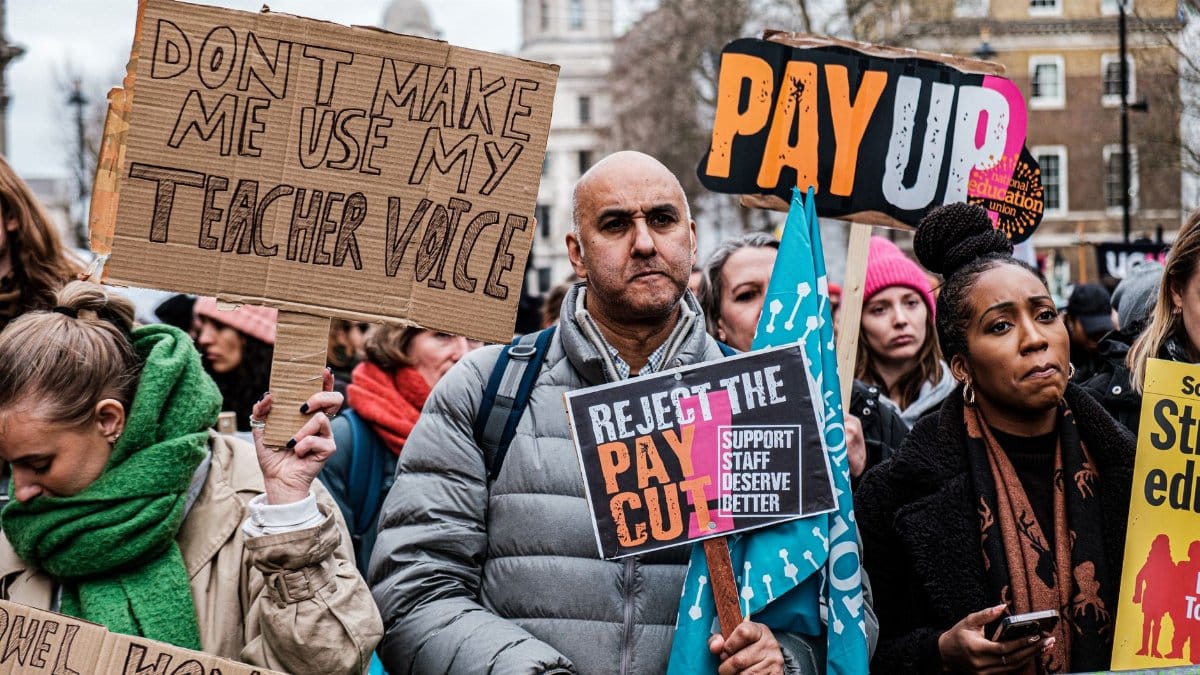
Many educators expressed cautious optimism noting improvements in pay that reflect the rising cost of living in the region. Union representatives stressed that the agreement represents progress yet leaves room for further refinements in future rounds of bargaining.
Perspectives from Parents and Community Members

Families voiced concerns about how budget decisions ripple into classroom sizes and extracurricular offerings. Community forums revealed a desire for transparency in how funds are allocated to ensure equitable outcomes for all students regardless of neighborhood.
Comparison with Similar Deals in Other Cities

Neighboring districts have pursued varied approaches to teacher compensation with some locking in multi year pacts that tie increases to performance metrics. Seattle leaders chose a path focused on broad raises to maintain morale and attract talent from a wide pool.
Potential Effects on Student Outcomes

Research suggests stable staffing correlates with better academic progress particularly in subjects requiring consistent instruction. The Seattle schools contract may support such continuity by reducing turnover rates that have plagued urban systems in recent years.
Challenges in Implementation and Oversight

Rollout will require careful monitoring of spending patterns to confirm projections hold true over time. Officials plan regular reviews to adjust for unexpected changes in enrollment or revenue streams from property taxes.
Broader Context of Education Funding in Washington State

State level policies play a major role in shaping local budgets with formulas that often favor certain districts over others. Seattle officials continue to advocate for revisions that better account for urban challenges like higher operational costs.
Future Outlook for Labor Relations

Both parties view the current Seattle schools contract as a foundation for ongoing dialogue rather than a final resolution. Upcoming sessions may address emerging issues such as technology integration and mental health supports for staff and students alike.
Lessons for Other School Systems Nationwide

Districts facing similar fiscal strains can draw insights from how Seattle balanced competing priorities without immediate service reductions. Collaborative approaches that involve all stakeholders tend to yield more sustainable results in the long term.