
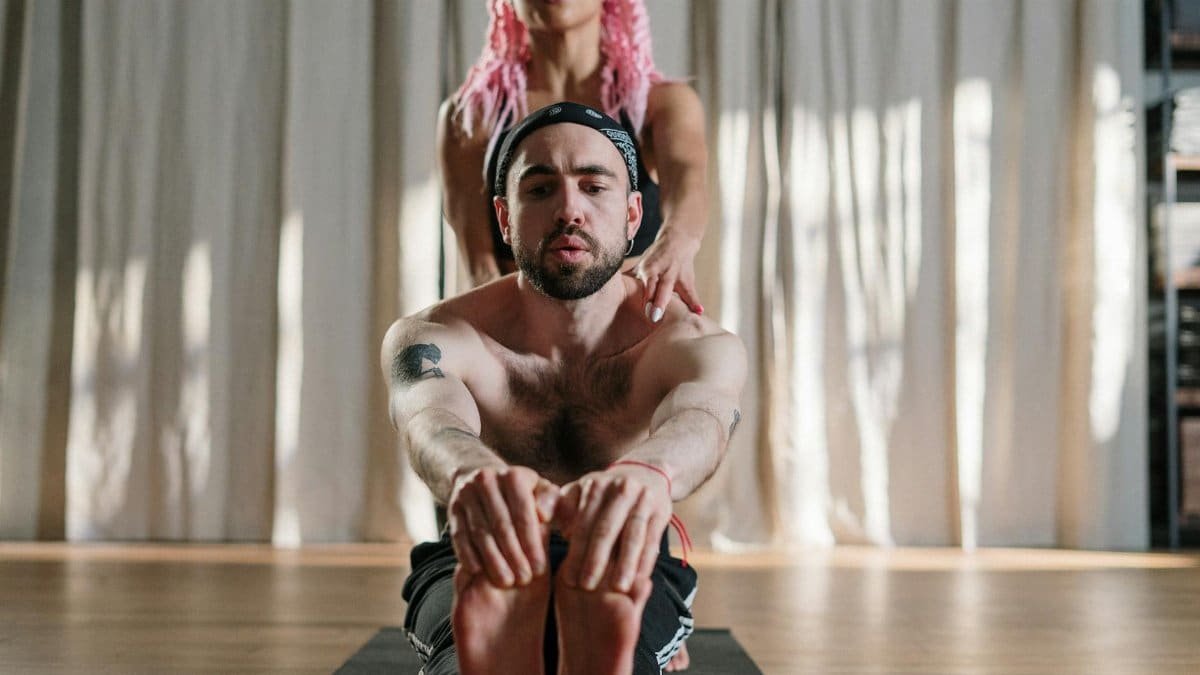
A recent study from the American Psychological Association revealed that nearly 60% of U.S. high school students report feeling overwhelmed by stress, a figure that’s climbed steadily over the past decade, with anxiety levels hitting record highs amid academic pressures and social media’s relentless churn. This statistic underscores a growing crisis in youth mental health, prompting innovative responses across the country. In Seattle, educators are turning to a fresh approach: meditation labs designed to foster wellness and provide tangible stress relief. These dedicated spaces in schools aim to equip students with tools for mindfulness, potentially reshaping how young people navigate daily challenges. As 2025 unfolds, this initiative reflects a broader shift toward integrating mental health practices into education, offering a beacon of hope for overburdened teens.
The Origins of Meditation Labs in Seattle Schools

Seattle’s push for meditation labs didn’t emerge in a vacuum. It stems from years of advocacy by local wellness experts and parents who witnessed firsthand the toll of stress on children. Back in the early 2020s, community groups began lobbying the Seattle Public Schools district, citing alarming rates of burnout among students. One pivotal moment came during a 2023 town hall, where a middle school teacher described watching her class unravel during exam season, kids fidgeting with exhaustion etched on their faces.
This grassroots momentum aligned with national trends. The district partnered with organizations like the Mindful Schools program, which has trained educators in mindfulness techniques since 2010. By incorporating meditation labs—quiet rooms equipped with cushions, guided audio, and calming visuals—Seattle aims to make stress relief accessible. It’s not just about sitting still; these spaces encourage practices like deep breathing and body scans, tailored for young minds.
Yet, the journey wasn’t smooth. Budget constraints initially stalled plans, but a grant from the city’s health department in late 2024 turned the tide, allowing pilots in five schools to launch this year.
How These Labs Function Day to Day
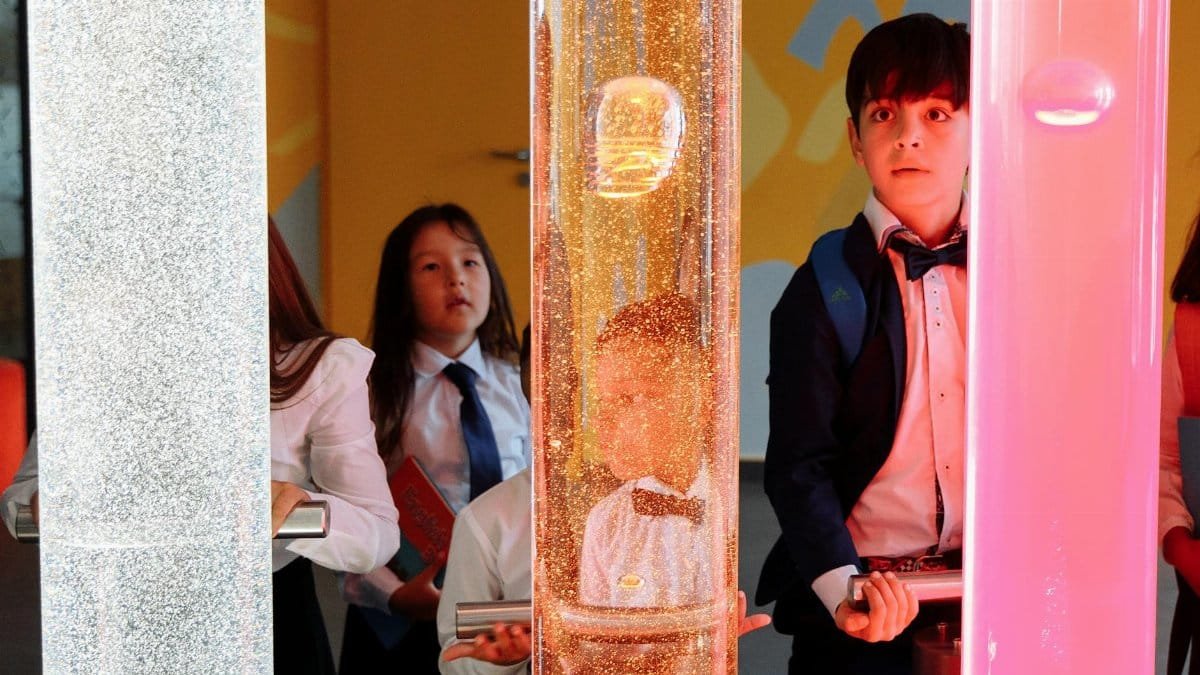
Step inside one of these meditation labs, and the atmosphere shifts immediately. Soft lighting replaces harsh fluorescents, and the air carries a faint scent of lavender from diffusers. Students visit during free periods or as part of scheduled wellness breaks, guided by apps or trained facilitators who lead short sessions on meditation labs, Seattle wellness, and stress relief.
Take a typical session: A group of sophomores gathers, eyes closed, as a voice prompts them to notice their breath. It’s simple, yet profound. One anonymized account from an online discussion captured the essence: a student shared feeling “like a weight lifted” after just 10 minutes, describing how the lab helped manage pre-test jitters without judgment.
Facilitators emphasize variety—some days focus on movement-based mindfulness, others on visualization. This flexibility keeps engagement high, addressing the diverse needs of Seattle’s student body, from overachievers to those facing home instabilities.
Benefits Backed by Research
The promise of meditation labs lies in their evidence-based impact. Studies show mindfulness practices can lower cortisol levels, the hormone tied to stress, leading to better focus and emotional regulation. For instance, research from the National Institutes of Health highlights how school-based meditation reduces anxiety in adolescents by up to 30%.
In Seattle, early feedback suggests similar gains. Teachers report fewer disruptions and improved attendance in participating schools. Students, too, share stories of transformation: one teen recounted using lab techniques to calm nerves before a debate, turning potential panic into poised delivery. This isn’t mere anecdote; it’s part of a growing body of data supporting meditation as a tool for resilience.
Critically, these benefits extend beyond the individual. When kids learn stress relief early, it ripples into families and communities, fostering a culture of wellness in a city known for its rainy introspection.
Challenges in Implementation
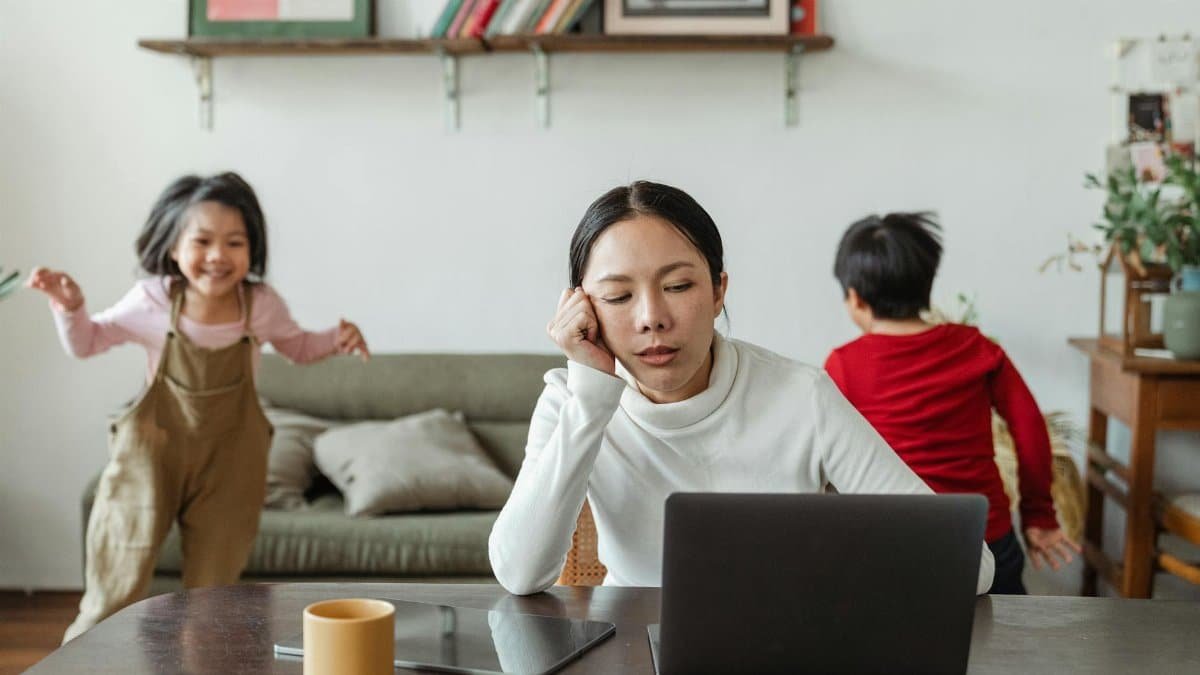
Not everything about rolling out meditation labs has been serene. Skeptics question whether schools should prioritize “woo-woo” activities over core academics, especially with funding tight. In Seattle, some parents voiced concerns that these programs might dilute educational rigor, echoing debates seen nationwide.
Logistics pose hurdles too. Training staff takes time, and not every teacher feels equipped to guide sessions. One principal admitted in a district meeting that initial attempts felt awkward, with students giggling through early meditations. Overcoming this requires ongoing professional development, often sourced from experts at the Greater Good Science Center at UC Berkeley.
Equity issues loom large. Ensuring all students, regardless of background, access these resources means addressing cultural sensitivities—some families view meditation through a religious lens, prompting adaptations to keep it secular and inclusive.
Student Voices and Real-Life Impacts

Ask students directly, and the value shines through. Maria, a fictionalized composite based on reported experiences, is a 16-year-old juggling AP classes and a part-time job. She slips into the meditation lab twice a week, emerging more centered. “It’s like hitting reset,” she says, her words echoing those of many peers.
These snapshots reveal deeper shifts. In group discussions, kids open up about pressures—from college applications to social dynamics—finding solidarity in shared vulnerability. One boy described using breathing exercises to navigate family conflicts at home, illustrating how school-based wellness seeps into everyday life.
Such stories humanize the data, showing meditation labs as more than a trend; they’re a lifeline in Seattle’s fast-paced environment.
Broader Implications for Education in 2025

As 2025 progresses, Seattle’s model could inspire other districts. With mental health crises escalating—per a CDC report on youth mental health —integrating meditation labs, Seattle wellness, and stress relief into curricula makes sense. It’s a proactive stance, preparing students not just for tests, but for life’s uncertainties.
Educators elsewhere are watching closely. In California and New York, similar pilots are underway, adapting Seattle’s blueprint. The key? Sustainability—ensuring these programs endure beyond initial hype through community buy-in and measurable outcomes.
Ultimately, this initiative challenges traditional schooling, suggesting that true learning encompasses emotional tools alongside intellectual ones.
Community and Parental Involvement

Success hinges on more than school walls. Parents in Seattle attend workshops to learn meditation techniques, bridging home and classroom. One mother recalled practicing with her daughter, turning evening routines into moments of calm amid homework chaos.
Local businesses contribute too, donating resources or sponsoring expansions. This collaborative spirit amplifies impact, making wellness a communal effort rather than an isolated program.
Yet, engagement varies. Some families, stretched thin, struggle to participate, highlighting the need for flexible outreach to sustain momentum.
Looking Ahead: Sustaining the Momentum
Maintaining these labs will require vigilance. District leaders plan evaluations throughout 2025, tracking metrics like student well-being surveys. Positive results could lead to district-wide adoption, embedding meditation labs, Seattle wellness, and stress relief as staples.
Challenges persist, but the potential is vast. By normalizing mental health practices, Seattle sets a precedent, reminding us that education’s goal is holistic growth. In a world of constant demands, these quiet spaces offer a vital pause, nurturing the next generation’s inner strength.