
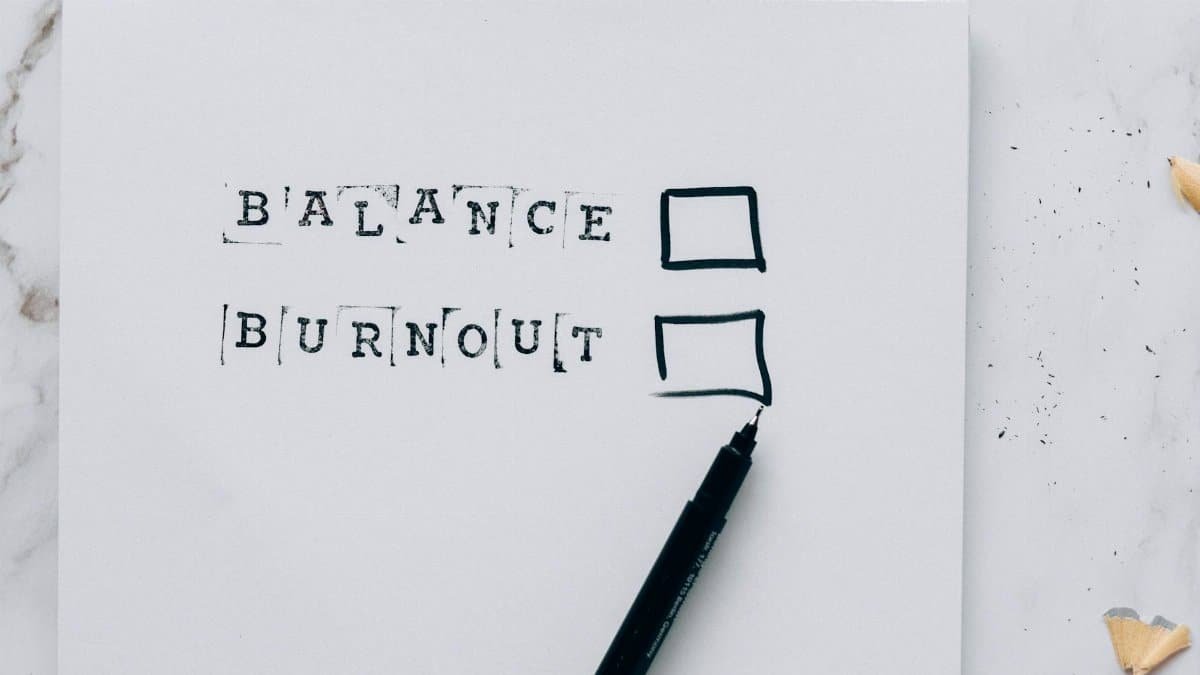
Seattle gamified mindfulness is causing a major shift in tech wellness this year. As burnout plagues developers across the U.S., tech giants in the Pacific Northwest are turning to innovative apps that blend gaming with mental health practices. Launched in early 2025, these tools from Amazon’s AWS and Microsoft’s Redmond team reward users for team-oriented coding and consistent meditation. The goal? To dismantle the “lone wolf” mindset that’s long dominated software engineering, fostering collaboration and reducing conflicts. This approach reflects broader 2025 trends in corporate wellness, where mindfulness meets metrics to keep talent engaged and productive.
The Push Against Burnout in Seattle Tech

In the heart of Seattle’s tech scene, burnout has become a silent epidemic among developers. The summary highlights how Amazon’s AWS division and a skunkworks team at Microsoft’s Redmond campus recognized this issue early in 2025. By launching internal gamified mindfulness apps, these companies are directly addressing the exhaustion that stems from high-pressure coding environments. These apps aren’t just feel-good initiatives; they’re strategic responses to the mental toll of relentless deadlines and isolated work styles. In a U.S. context where tech workers report some of the highest burnout rates, this Seattle gamified mindfulness effort stands out as a proactive measure. According to data from the CDC on workplace burnout, such interventions could be key to retaining talent in competitive fields.
Challenging the Lone Wolf Developer Culture

The “lone wolf” developer culture, characterized by individualistic approaches to coding, has long fueled innovation but at a cost. The summary details how these new apps aim to shift that paradigm by rewarding collaborative behaviors. Instead of glorifying solo heroics, the tools encourage team-based problem-solving through gamified elements. This is particularly relevant in 2025, as U.S. tech firms grapple with remote work’s isolating effects post-pandemic. By integrating mindfulness practices, the apps help developers step back from ego-driven pursuits, promoting a more balanced workflow. It’s a cultural reset that’s gaining traction in Seattle, where Microsoft and Amazon dominate the landscape.
Internal Launches at Amazon and Microsoft

Both Amazon’s AWS and Microsoft’s Redmond-based skunkworks team rolled out their gamified mindfulness apps internally in Q1 2025. As per the summary, these launches were timed to tackle rising burnout amid intense project demands. AWS, known for its cloud computing prowess, targeted its developer teams with features that track and reward group achievements. Similarly, Microsoft’s initiative emerged from a secretive innovation group, focusing on blending tech with wellness. These moves underscore Seattle’s role as a hub for forward-thinking corporate strategies, aligning with national trends where companies like these invest heavily in employee health to maintain edge in the global market.
Rewarding Collaborative Coding Behaviors
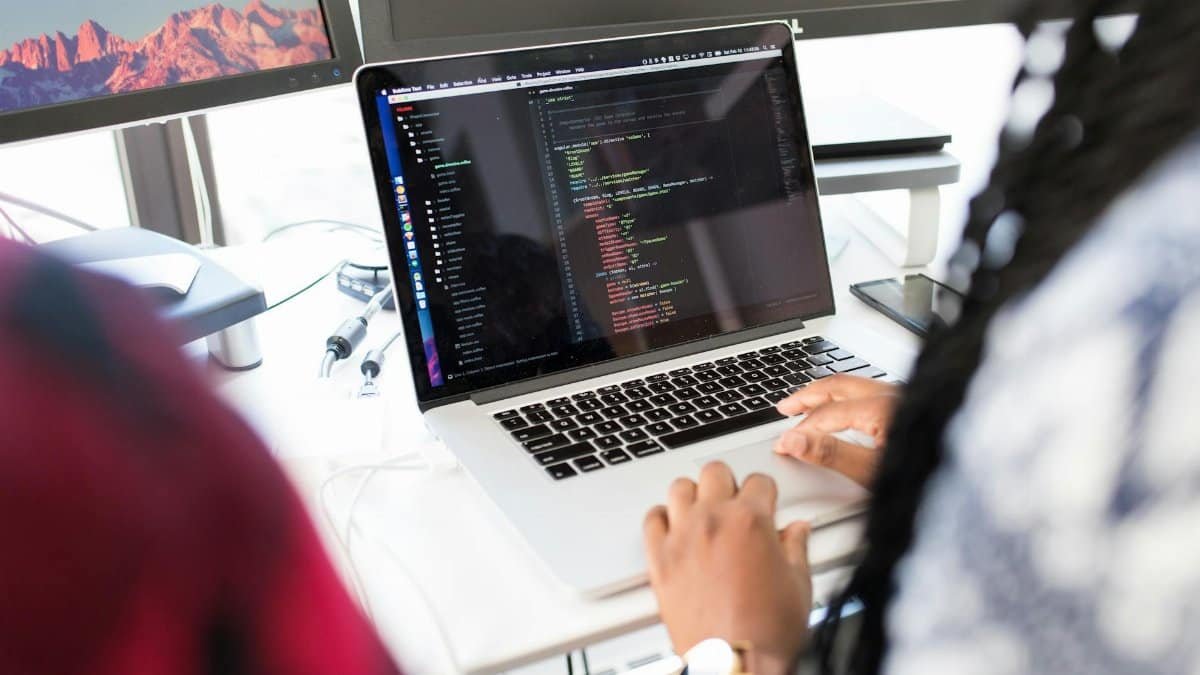
At the core of these apps is a system that gamifies positive behaviors, such as collaborative coding. The summary explains how points or badges are awarded for joint debugging sessions or shared code reviews, discouraging the isolation that breeds burnout. This mechanic draws from proven gamification principles, making routine tasks engaging and team-oriented. In the broader U.S. tech industry, where collaboration tools are evolving rapidly in 2025, this approach could set a precedent. Developers earn rewards not just for output, but for how they contribute to group dynamics, potentially lowering turnover rates that have spiked in recent years.
Daily Meditation Streaks for Mental Resilience

Meditation is a cornerstone of these Seattle gamified mindfulness apps, with streaks for daily practice forming a key feature. The summary notes that consistent mindfulness sessions are incentivized to build habits that combat stress. Users might unlock levels or virtual trophies for maintaining streaks, turning self-care into a competitive yet supportive element. This ties into wider 2025 wellness trends across the U.S., where apps like these leverage behavioral psychology to encourage long-term adherence. Research from the NIH on mindfulness benefits supports such methods, showing reductions in anxiety that could translate to better coding performance and fewer sick days.
Reducing Ego-Driven Project Conflicts

Ego-driven conflicts often derail tech projects, leading to delays and frustration. The apps, as outlined in the summary, specifically target this by promoting mindfulness to temper individualistic tendencies. Through guided sessions and rewards for humble contributions, developers learn to prioritize team success over personal glory. In Seattle’s competitive tech ecosystem, where Amazon and Microsoft vie for top talent, this could minimize internal strife. Nationally, with U.S. workplaces emphasizing emotional intelligence in 2025, such tools align with efforts to create harmonious teams, potentially boosting overall productivity.
Aiming for Improved Team Cohesion

Ultimately, the apps seek to enhance team cohesion, as emphasized in the summary. By combining gamification with mindfulness, they foster environments where developers feel connected and supported. Rewards for collaborative milestones encourage ongoing interaction, breaking down silos that “lone wolf” cultures perpetuate. This is crucial in 2025, as remote and hybrid work models continue to challenge U.S. companies. Seattle’s initiatives could inspire similar programs elsewhere, helping to build resilient teams that thrive under pressure.
Broader Implications for Tech Wellness

Seattle gamified mindfulness isn’t just a local experiment; it reflects evolving U.S. trends in integrating mental health into corporate tech culture. With burnout affecting millions of workers nationwide, as per various reports, these apps offer a blueprint for scalable solutions. Amazon and Microsoft’s efforts highlight how gamification can make wellness accessible and fun, potentially influencing other sectors. As 2025 progresses, watching how these internal tools evolve could provide insights into combating developer fatigue on a larger scale.
Potential Challenges and Future Outlook

While promising, implementing Seattle gamified mindfulness faces hurdles like user adoption and measuring long-term impact. The summary implies a focus on internal use, but scaling could require addressing privacy concerns or varying employee needs. In the U.S. context, where tech wellness is a hot topic in 2025, success here might pave the way for public versions. Companies will need to track metrics on reduced conflicts and improved cohesion to validate the approach, ensuring it delivers on its anti-burnout promises.