
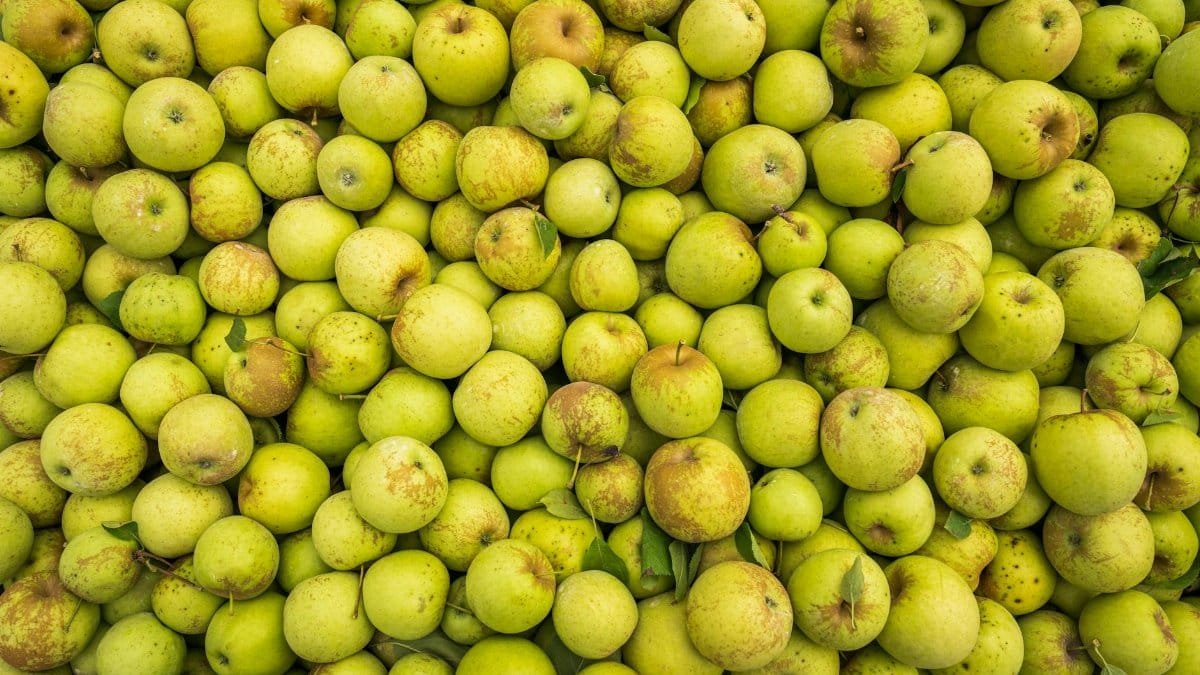
In the shadow of the Cascade Mountains apple growers have tended their trees with care for more than a century. Today those same growers confront a formidable adversary in the form of climate disruption. Prolonged heat waves unpredictable frosts and water scarcity have diminished yields and stressed longstanding varieties such as the Honeycrisp and Gala. Against this backdrop researchers have stepped forward with an innovation designed to secure the industrys future. The climate resilient apple has emerged as a beacon of possibility promising to preserve both livelihoods and a cherished piece of American heritage.
The Growing Threats to American Orchards
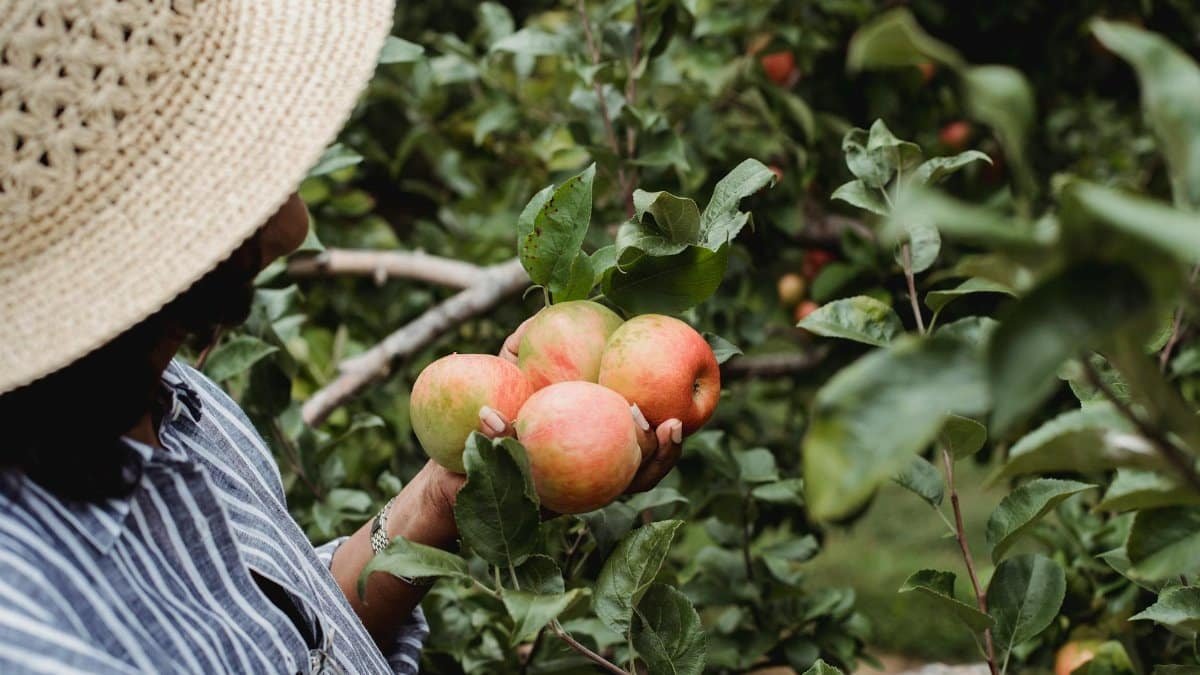
Across the Pacific Northwest and beyond apple production faces mounting pressure. Average temperatures have risen nearly two degrees Fahrenheit since the 1980s according to data compiled by Washington State University. This shift has altered the delicate chill hours required by traditional trees to set fruit properly. In recent seasons entire blocks of orchards have produced smaller deformed apples or none at all.
Farmers report that extreme weather events once considered rare now arrive with alarming frequency. A single late spring frost can wipe out a years crop in hours. Meanwhile warmer winters allow pests to survive in greater numbers further complicating management. These changes threaten not only revenue but a way of life deeply rooted in rural communities.
How the Sunflare Variety Was Developed
Scientists at Washington State University spent more than a decade crossbreeding and testing thousands of seedlings. They drew genetic material from hardy wild apples native to Central Asia and combined it with the best qualities of popular commercial varieties. The result is Sunflare a tree that flowers later in the season and withstands higher heat without losing flavor or texture.
Lead breeder Dr. Elena Martinez described the process as both methodical and intuitive. Each generation was subjected to simulated climate conditions in growth chambers designed to mimic projections for the year 2050. Only the strongest performers advanced. The university has made the cultivar available for limited commercial trials this year with plans for wider release in the near future. More details can be found in the universitys published findings at wsu.edu/sunflare-study.
Key Traits That Define This New Apple
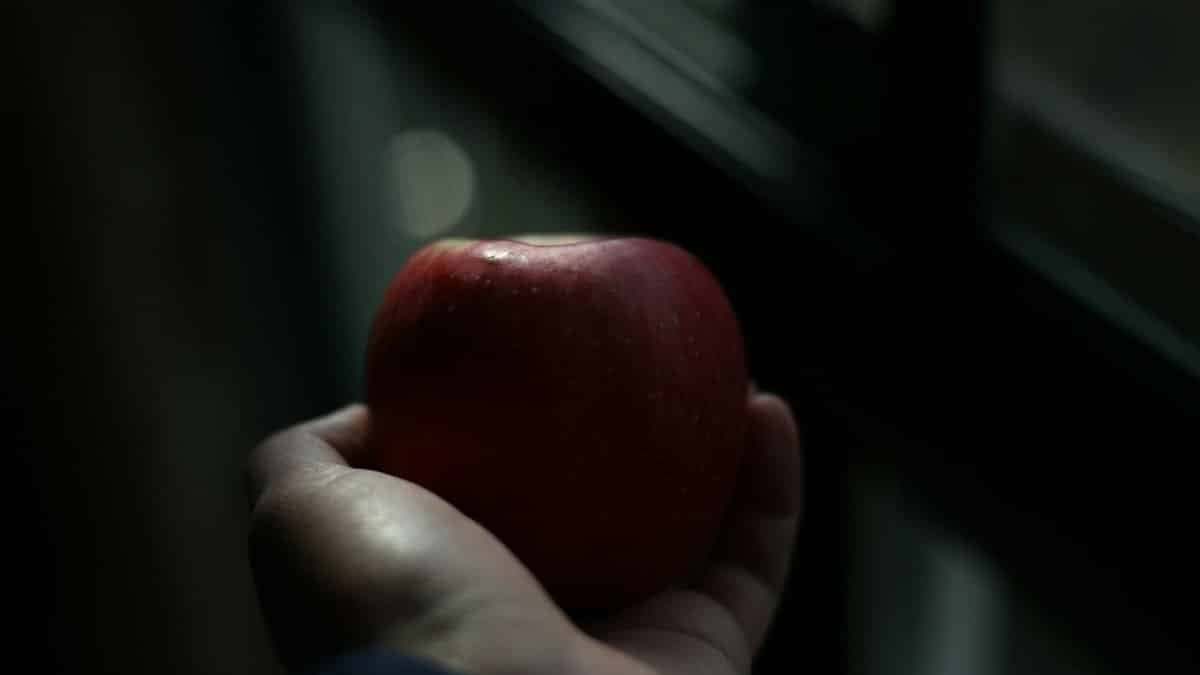
Sunflare produces medium sized fruit with a distinctive red blush over golden skin. Its flesh remains crisp even after extended storage a quality many older varieties lose under heat stress. Sugar levels stay consistent despite temperature swings and the fruit resists common diseases such as apple scab reducing the need for chemical sprays.
Perhaps most important the trees require fewer chill hours making them suitable for regions that may soon become marginal for conventional apples. Early taste tests conducted by university extension services found consumer preference ratings comparable to Gala though some noted a slightly brighter acidity that refreshes the palate.
Insights from Lead Researchers

Dr. Martinez and her team emphasize that no single variety can solve every problem created by climate instability. Yet the climate resilient apple offers a practical tool that buys time for broader adaptation strategies. She points to similar successes in wine grapes and stone fruit where new cultivars have allowed growers to remain viable.
Her colleague Professor Thomas Whitaker notes the project benefited from collaboration between geneticists climatologists and working orchardists. This integrated approach helped ensure the final product addressed real world concerns rather than theoretical ones. The researchers hope their methods will serve as a model for other crops facing similar pressures.
Impact on Family Farms Across the Country
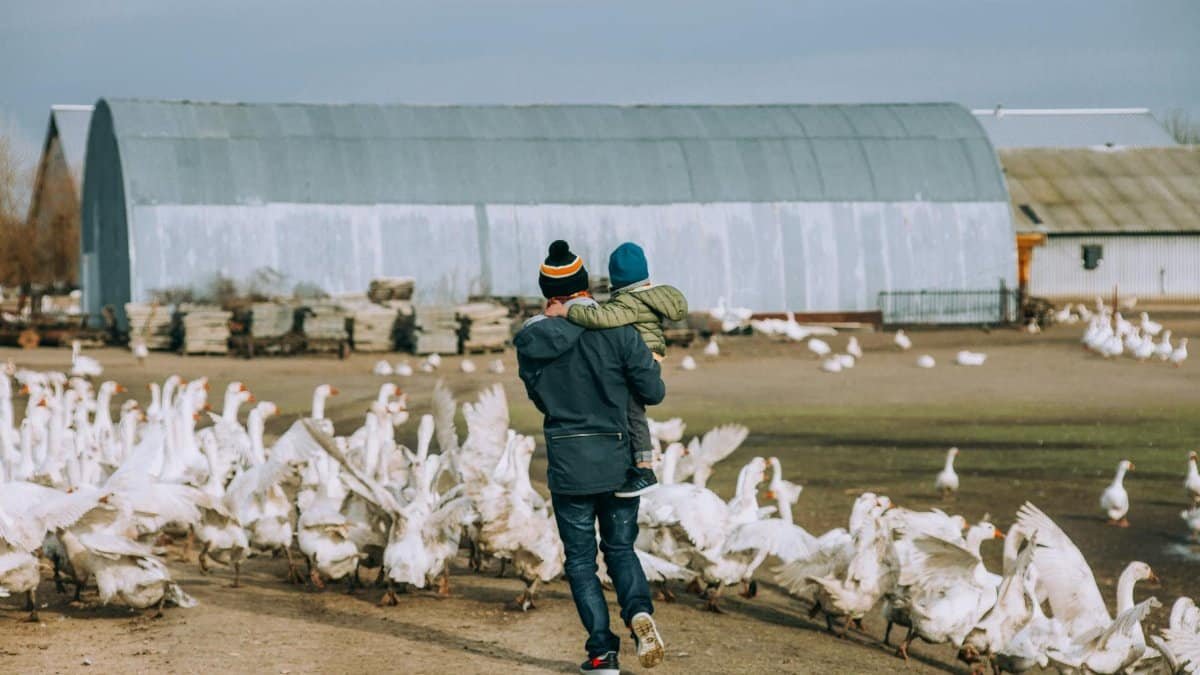
For multigenerational orchard families the arrival of Sunflare feels like a lifeline. In New Yorks Hudson Valley and Michigans fruit belt growers have watched production costs climb while yields became less predictable. Early adopters in Washington report that Sunflare trees maintained productivity during last summers record heat dome when neighboring blocks suffered significant losses.
These results matter deeply in regions where apple farming supports entire local economies. Equipment suppliers packing houses and tourism businesses all depend on healthy orchards. By offering a measure of predictability the new variety helps protect jobs and community stability.
Connecting Science with Spiritual Stewardship
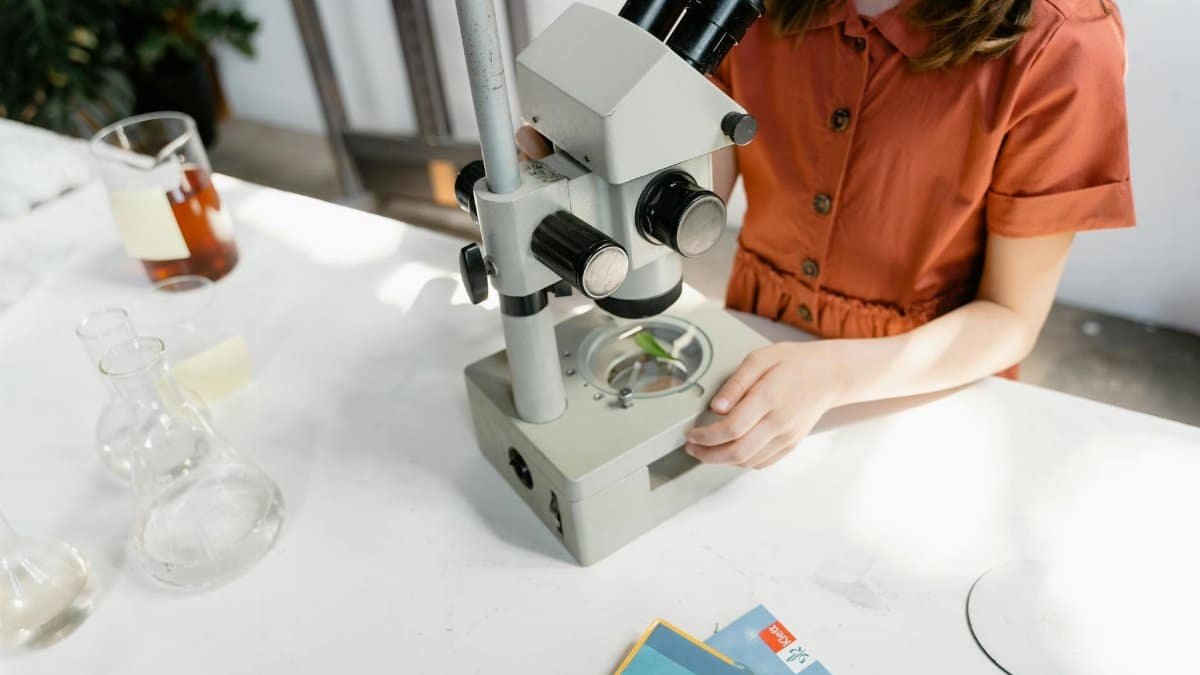
Many who work the land speak of their labor in spiritual terms. They see themselves as caretakers of creation charged with passing productive ground to the next generation. In this context the climate resilient apple represents more than agronomic progress. It embodies hope that human ingenuity and natural systems can work together toward renewal.
Faith communities in rural America have increasingly framed environmental adaptation as a moral calling. Pastors in apple country preach about prudence and foresight drawing parallels between the new variety and biblical themes of resilience. This convergence of science and spirit offers a compelling narrative for an age that often pits the two against each other. A recent survey by the Yale Program on Climate Change Communication found that framing solutions in terms of stewardship resonates strongly with middle aged audiences across political lines. The full report is available at climatecommunication.yale.edu.
Economic Opportunities in a Changing World
Beyond survival the climate resilient apple creates fresh market possibilities. Because it requires fewer pesticide applications it appeals to buyers seeking fruit with lower chemical residues. Early contracts with organic retailers suggest premium pricing may be achievable.
Export markets also show interest. European buyers facing their own climate challenges have inquired about Sunflares heat tolerance and storage qualities. If adopted widely the variety could help maintain Americas position as a leading apple exporter even as growing conditions shift. Economists at the University of California Davis project that widespread planting of such cultivars could stabilize prices and reduce crop insurance claims over the coming decades.
Challenges in Adoption and Scaling Up

Not every obstacle has been removed. Young trees take several years to reach full production meaning growers must balance investment against uncertain returns. Nursery supplies remain limited while demand testing continues. Furthermore some traditionalists worry that shifting to new varieties will erode the distinct regional character that defines American apple growing.
Extension agents are working to address these concerns through demonstration plots and financial planning workshops. Success will depend on clear communication and realistic expectations. Transitioning entire orchards represents both financial and emotional commitment for families who have grown the same apples for generations.
What Consumers Can Expect in the Marketplace
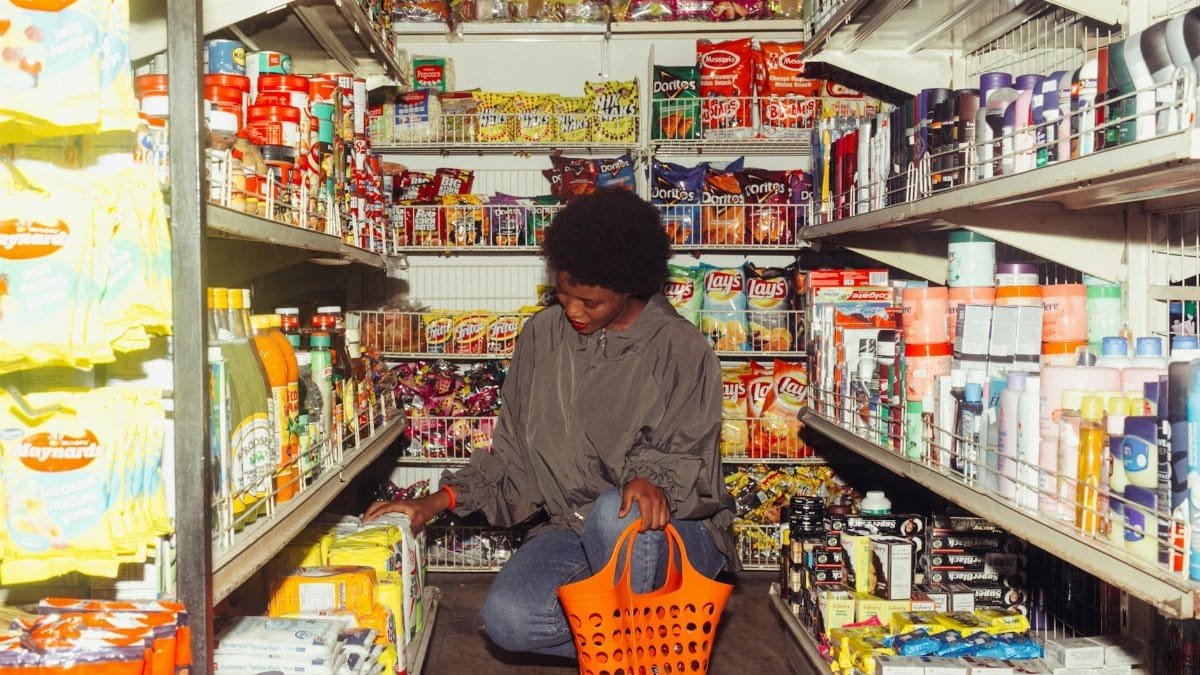
Within three to five years Sunflare apples should appear in supermarkets and farm stands. Marketing teams plan to highlight their story of resilience without resorting to alarmist language about climate. Instead they will focus on flavor consistency and environmental responsibility.
Preliminary consumer research indicates that middle aged shoppers respond well to narratives about supporting American farmers and preserving traditions through innovation. The apples attractive appearance and reliable sweetness should help them compete against imported varieties that sometimes dominate off season shelves.
A Path Forward for Sustainable Agriculture
The Sunflare project illustrates a larger truth. Agricultural research must accelerate to match the pace of environmental change. Public funding for such work has fluctuated over the years yet the payoff extends far beyond any single crop. Lessons learned in apple genetics may translate to cherries pears and other tree fruits.
Policy makers would do well to support similar initiatives nationwide. Investment in resilient planting material represents a form of practical optimism a recognition that while we cannot reverse every effect of climate disruption we can adapt intelligently. This approach honors both the land and the people who depend upon it.
Reflections on Resilience in Nature and Humanity
Standing beneath a mature apple tree one feels the depth of time. These plants have been shaped by centuries of human care and natural selection. The emergence of the climate resilient apple continues that long conversation between people and the living world.
In an era of uncertainty such stories matter. They remind us that decline is not inevitable and that careful observation combined with creativity can yield unexpected gifts. For those who draw spiritual nourishment from the rhythms of orchard life Sunflare offers tangible proof that renewal remains possible. The trees stand as quiet witnesses to human determination and natures remarkable capacity to persist.
As more orchards begin to include these new trees the landscape itself will tell a story of adaptation. Future generations may look back on this moment as the point when American apple growing chose not merely to survive but to evolve with wisdom and care. In that evolution lies a deeper lesson about our place within the intricate web of life that sustains us all.