
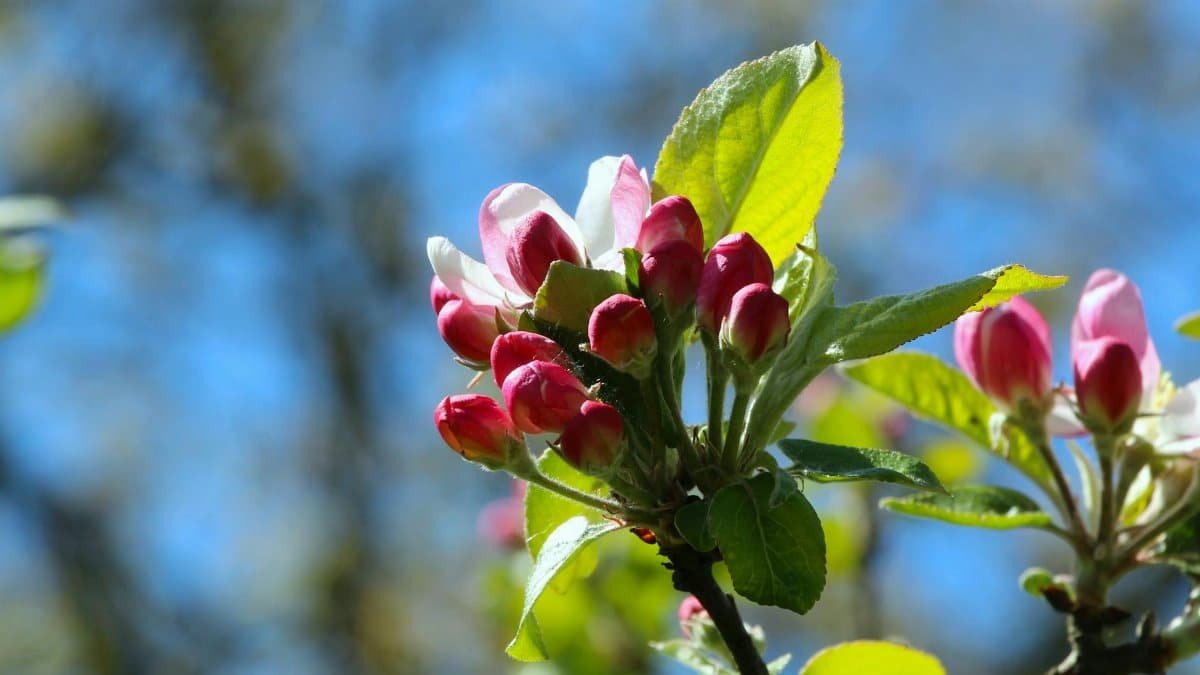
In the heart of Washington apple country, veteran orchardist Mark Thompson surveys rows of trees that have sustained his family for three generations. Last summer, record heat waves caused his harvest to shrink by nearly a third. Stories like his are becoming common as our planet warms. Now, scientists have stepped forward with a solution they believe can help secure the future of this iconic fruit. They call it the Sunflare, a climate resilient apple bred to endure the stresses of drought, high temperatures, and unpredictable seasons. This innovation arrives at a critical moment when many are wondering how we will continue to produce the foods we love in an era of environmental uncertainty.
Orchards Under Pressure From Extreme Conditions

Apple growers have always worked in harmony with nature but recent decades have tested that partnership like never before. Rising average temperatures have shifted the delicate balance required for proper fruit development. In many regions winters are not cold enough to meet the chill hours necessary for trees to properly rest before spring. Summers bring prolonged periods of intense heat that can scorch leaves and cause fruits to develop unevenly or drop early.
Water scarcity adds another layer of difficulty. With droughts becoming more common irrigation demands rise while supplies from rivers and reservoirs diminish. Invasive pests and diseases also expand their ranges as climate zones shift northward. Traditional breeds optimized for the stable conditions of the past century often falter under these pressures. The result is smaller yields, lower quality fruit and increasing economic strain on farming families and the rural communities they support. Without adaptation strategies many orchards could become unsustainable within the coming decades.
Birth Of The Sunflare Variety
Recognizing these challenges a team at Washington State University began a targeted breeding program in the early two thousands. Their goal was clear. They sought to create a climate resilient apple that could maintain consistent production despite environmental volatility. After years of careful selection and crossing various strains the Sunflare emerged as a standout candidate.
Named for its ability to withstand intense sunlight and heat the Sunflare produces medium sized fruits with a striking red and yellow appearance. Early tests show it requires fewer chemical interventions making it attractive for those pursuing more natural growing methods. The university plans to make saplings available to commercial growers starting next season with expectations that it will gradually become a familiar sight in supermarkets nationwide.
Genetic Innovations Driving Success
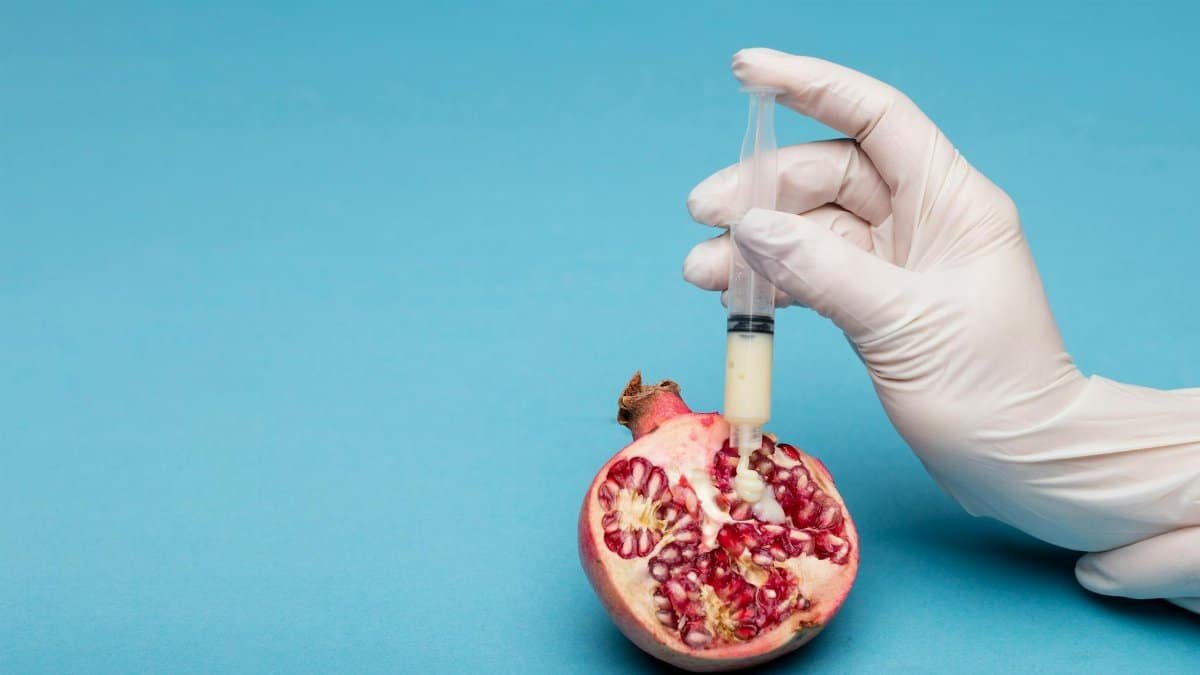
What sets the Sunflare apart is its unique genetic profile. Researchers identified specific traits from heat tolerant wild apple relatives and incorporated them into cultivated varieties. This process involved both traditional breeding techniques and modern genomic tools to accelerate development without compromising flavor or texture.
According to the lead scientist on the project Doctor Elena Ramirez the key lies in enhanced water retention capabilities within the plant tissues and improved photosynthetic efficiency under high light intensity. The New York Times has more on this research. This work builds on decades of accumulated knowledge in plant genetics and demonstrates how science can respond to environmental pressures with practical solutions.
Testing In Real World Environments

Before its official unveiling the Sunflare underwent extensive field trials across different climate zones. From the dry lands of central Washington to more humid areas in the Midwest trees performed remarkably well. Yields remained stable even during years when neighboring orchards saw significant losses due to weather stress.
One trial in particular stood out. During a severe heat dome event that pushed temperatures above one hundred degrees for several days Sunflare trees continued to develop fruit while others dropped theirs prematurely. Such results have generated considerable excitement in the agricultural community and prompted many to reconsider their planting strategies for the coming years. The data collected will help refine future breeding efforts as well.
Economic Benefits For Growers

For farmers like Mark Thompson the arrival of this new option could mean the difference between continued operation and having to sell off portions of their land. Reduced water usage translates to lower operational costs at a time when every dollar counts. Greater resistance to common diseases means fewer applications of protective sprays and less labor spent on management tasks. These factors combine to improve profitability in an industry with increasingly tight margins.
University extension services are already preparing educational programs to help growers transition some of their acreage to the new variety. Initial estimates suggest that widespread adoption could help stabilize apple prices even as production challenges mount in other parts of the country and around the globe. This economic stability in turn supports the well being of entire rural economies dependent on fruit production.
Stewardship Of Creation In A Changing World
Beyond the practical considerations this development invites deeper reflection on humanity is relationship with the natural world. Many faith traditions emphasize the responsibility to care for the earth as a sacred duty passed down through generations. In this context the climate resilient apple can be seen as an expression of human ingenuity guided by that sense of calling to be good stewards.
Religious leaders from various denominations have welcomed the news viewing it as a positive step toward responsible environmental management that aligns with spiritual values. It reminds us that adaptation and innovation can work hand in hand with conservation efforts rather than in opposition to them. As one theologian noted in a recent commentary our creativity is part of how we honor the gift of creation and ensure its bounty continues for those who come after us. This perspective adds a meaningful dimension to what might otherwise be viewed solely through a scientific lens.
Connecting With Nature Through Food

For consumers the story behind their food holds increasing importance in todays world. Choosing varieties like the Sunflare supports not only local economies but also a more sustainable approach to agriculture that considers future generations. There is something profoundly grounding about biting into an apple and knowing the tree it came from was bred to work with nature rather than against rising challenges.
This connection between plate and planet resonates with many people in middle age who are rethinking their consumption habits and seeking greater alignment with their values. It fits with a growing desire to make daily choices that reflect concerns about health community and ecological care. In this way the simple act of selecting a particular type of fruit becomes part of a larger spiritual practice of mindfulness and gratitude.
Challenges And Considerations Ahead

Despite the promise experts caution that no single variety offers a complete solution on its own. Continued research will be needed as growing conditions evolve over time. There are also questions about how the Sunflare performs in systems that avoid synthetic inputs and its qualities during extended storage periods. These aspects will require further study before full recommendations can be made.
Biodiversity remains crucial in any agricultural system. Relying too heavily on any one type carries risks as history has shown with other crops in the past. A balanced approach that incorporates the climate resilient apple alongside other diverse selections will likely yield the best outcomes for security of the apple industry over time.
Global Implications For Apple Production
While the immediate focus is on domestic growers the techniques used to develop the Sunflare could have worldwide applications. Apple cultivation spans many continents and many regions face similar pressures from shifting weather patterns. International partnerships are already exploring how to adapt these methods to local varieties and growing conditions in different countries.
Organizations focused on food security see this as one piece in a larger puzzle of building resilient agricultural systems globally. The climate resilient apple thus joins a growing list of innovations aimed at feeding a growing population on a warming planet. Collaboration across borders will be essential to maximize the benefits of such breakthroughs.
What This Means For Everyday Consumers

At the grocery store or local farmers market shoppers may soon encounter the Sunflare apple among other options. Its balanced flavor profile which combines sweetness with a pleasant tartness has been well received in tasting panels conducted so far. The fruit also maintains its texture well making it suitable for both fresh eating and various cooking applications from pies to sauces.
By supporting these scientific efforts through their purchases consumers participate in a larger story of adaptation and hope. Each apple chosen represents a small but meaningful vote for continued investment in solutions that address our changing environmental reality. Over time these individual decisions can influence which varieties nurseries propagate and which ones ultimately shape the orchards of tomorrow.
Looking Toward Sustainable Futures
The unveiling of the Sunflare marks an important milestone yet it also serves as a reminder of the urgent need for broader action on climate issues. While new plant varieties provide valuable tools they cannot replace the fundamental work of reducing emissions and protecting natural ecosystems that support all life.
For those who have watched the seasons change over decades this development brings a measure of optimism. It suggests that with careful attention and creative problem solving we may yet find ways to preserve the agricultural heritage that has nourished us for generations. The path forward will require both technological advances and a renewed commitment to living in balance with the natural systems that sustain us. In that sense the climate resilient apple is more than just a new fruit. It is a symbol of human resilience and our capacity to respond thoughtfully to the challenges we face.