
In the inky depths of the Pacific Ocean a solitary male octopus detects the faint chemical signals of a female ready to mate. What follows is not romance as humans understand it but a carefully orchestrated sequence that balances opportunity with extreme peril. This fascinating process lies at the heart of recent scientific inquiries into octopus sex biology. Researchers have unveiled details that paint a far more intricate picture than previously imagined highlighting the remarkable adaptations these cephalopods have developed over millions of years. The study which combined direct observation with advanced laboratory techniques suggests that what looks like chaos in the octopus world is actually a finely tuned system designed to maximize reproductive success in an unforgiving environment. For many readers these revelations offer a fresh perspective on one of the oceans most intelligent inhabitants and invite us to consider the countless mysteries that still lie beneath the waves.
Unveiling the Secrets of Cephalopod Mating
The latest research conducted by marine biologists off the California coast has transformed our understanding of how octopuses reproduce. Using remotely operated vehicles and sophisticated camera systems the team recorded more than two hundred mating encounters that had never been documented with such clarity. These observations show that mating is rarely the brief haphazard event once described in textbooks. Instead it involves precise timing chemical exchanges and physical maneuvers that suggest a level of behavioral sophistication many scientists had not anticipated.
What emerges is a portrait of creatures that are anything but primitive. Males must identify receptive females through subtle shifts in skin texture and scent while females assess potential partners with equal discernment. The study linked to the Washington Post report reveals that successful pairings depend on a delicate balance of attraction and restraint a finding that resonates with anyone who has ever contemplated the complex dance of life in nature.
The Remarkable Hectocotylus Arm
Central to octopus reproduction is a specialized arm known as the hectocotylus. This modified limb functions as both a delivery system and a sensory organ allowing the male to transfer packets of sperm called spermatophores directly into the female. The new research provides the most detailed examination yet of how this arm operates at the cellular level revealing microscopic hooks and chemical receptors that ensure the spermatophores remain viable until the female is ready to fertilize her eggs.
Researchers noted that the hectocotylus appears to operate with a degree of autonomy surprising even seasoned cephalopod experts. In several observed cases the arm continued functioning after detachment a trait that may have evolved to protect the male from aggressive females. Such biological ingenuity speaks to the profound adaptability that has allowed octopuses to thrive across diverse marine environments for tens of millions of years.
Chemical Communication Across Distances

Octopuses rely heavily on chemical cues to navigate the challenges of reproduction in the vast ocean. The study identified specific protein compounds released by females that can travel significant distances through water currents acting as silent invitations to suitable mates. Males in turn produce their own chemical signatures that convey information about size health and genetic compatibility.
This molecular conversation adds another layer to our appreciation of these animals. What looks like empty blue water to human eyes is actually rich with information for creatures equipped with the right sensory tools. The research demonstrates how evolution has crafted solutions that feel almost miraculous in their precision reminding us that the natural world operates according to principles far more subtle than we typically perceive.
Navigating the Risks of Mate Consumption

One of the most striking aspects uncovered involves the persistent risk of cannibalism. Female octopuses are larger and more powerful than males in most species creating a dangerous dynamic during mating. The new findings show that males have developed specific tactics to approach from behind or from a distance reducing their vulnerability. In some cases they even use their ink as a diversionary screen while making their escape.
These behaviors are not random but appear to follow patterns shaped by natural selection over countless generations. By illuminating these strategies the research helps explain how the species persists despite the apparent contradiction of a reproductive act that can easily prove fatal for one participant. The delicate calculations involved reflect a form of intelligence that continues to challenge our assumptions about what consciousness looks like in beings so different from ourselves.
The Biological Clock That Ends After Reproduction

Octopuses are semelparous meaning they reproduce only once before dying. The study explores the genetic mechanisms that trigger this dramatic life cycle revealing how optic gland hormones essentially program the animal to shut down its systems after mating or egg laying. Females that guard their eggs often stop eating and deteriorate rapidly once the young hatch a sacrifice that ensures the next generation has the best possible start.
This programmed death raises intriguing questions about the meaning of individual life within larger biological patterns. For many readers it prompts reflection on sacrifice and renewal themes that echo across human cultures and spiritual traditions. The intricate timing of these events demonstrates nature operating with both efficiency and what can only be described as poignant purpose.
What the Latest Study Uncovered About Octopus Sex Biology
At the molecular level the research team identified several genes unique to cephalopods that regulate both mating behavior and the subsequent decline. These genetic markers offer potential insights not only into octopus sex biology but also into broader questions of aging and regeneration. The Washington Post article detailing the work notes that laboratory analysis of tissue samples provided concrete evidence linking specific neural pathways to reproductive decisions.
Lead researcher Dr. Elena Marquez emphasized that the findings challenge earlier assumptions about these animals as primarily solitary. While they do spend most of their lives alone their brief reproductive period reveals social capabilities and decision making processes that warrant further investigation. The study available at this link presents data that will likely influence marine biology for years to come.
Variations Across Different Octopus Species

Not all octopuses follow identical reproductive scripts. Deep sea species living in near total darkness have evolved even more specialized strategies including bioluminescent signals and extended sperm storage periods that can last for years. Shallow water varieties tend toward more active displays and shorter mating windows. The research highlights these differences showing how environment shapes the fundamental processes of life.
By comparing multiple species the scientists created a more complete picture of evolutionary flexibility. This comparative approach reveals that octopus sex biology is not a single story but a rich tapestry of solutions developed in response to diverse oceanic conditions. Such variety invites contemplation of the creative forces at work in the natural world and the myriad ways life finds a path forward.
Implications for Marine Conservation
These insights arrive at a critical time for ocean health. Climate change and habitat disruption affect reproductive timing and success rates for many marine species including octopuses. Understanding the precise biological requirements for successful mating allows conservationists to better protect essential breeding grounds and migration routes.
The study suggests that even small changes in water temperature or chemistry could disrupt the chemical signaling systems that octopuses depend upon. Such disruptions might cascade through marine ecosystems given the important role these predators play in maintaining balance. Protecting the intricate processes of octopus sex biology ultimately means safeguarding the larger web of ocean life that sustains both marine creatures and human communities.
The Enduring Wonder of Natural Design

Beyond the scientific data the research stirs something deeper a sense of awe at the sophisticated systems that have evolved in creatures so unlike ourselves. The way octopuses balance risk and reproduction intelligence and instinct individual survival and species continuation speaks to fundamental patterns that transcend any single organism. Many who follow these discoveries find themselves moved by the elegance embedded in even the most unlikely corners of creation.
As we continue to explore the oceans hidden realms studies like this one remind us that wonder and knowledge can travel together. The more we learn about octopus sex biology the more we recognize the limits of our current understanding and the vast potential for future discovery. In an age of rapid change these ancient biological stories offer both perspective and inspiration encouraging us to approach the natural world with greater humility and curiosity.
Future Directions for Cephalopod Research
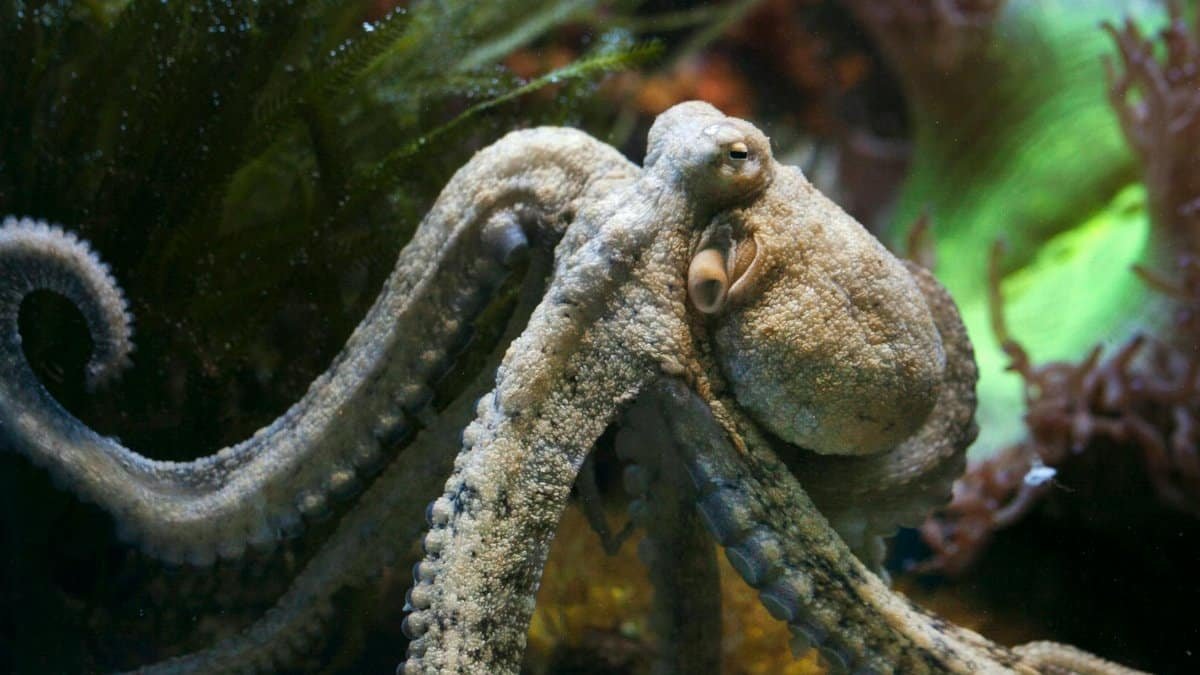
Scientists emphasize that this project represents only the beginning. New technologies including improved underwater robotics and genetic sequencing tools promise even deeper revelations about how octopuses experience their brief yet critical reproductive phases. Ongoing studies will likely explore the role of learning in mating behavior and the potential for individual personality to influence reproductive outcomes.
The coming decade may bring answers to questions we have only recently learned to ask. For readers intrigued by the intersection of science and the deeper mysteries of existence this expanding body of knowledge offers fertile ground for reflection. The octopus with its otherworldly form and surprising behaviors continues to teach us that the boundaries of what we consider possible in the living world are far more flexible than we once believed.