

In a breakthrough that echoes science fiction, researchers have engineered clusters of living human neurons in the laboratory, tiny structures pulsing with the rudimentary ability to learn and retain information. These lab-grown mini-brains, derived from stem cells, respond to stimuli by strengthening neural connections, much like the early stages of cognition in a developing fetus. Published in Nature, the study from a team at the University of California details how these organoids, mere millimeters across, adapted to visual patterns over repeated exposures, forming memories that persisted for hours. This advance challenges our understanding of intelligence, raising profound questions about the origins of consciousness and the boundaries of life itself. As bioengineers push these creations toward greater complexity, society grapples with what it means to cultivate minds in vitro.
The Origins of Cerebral Organoids

Cerebral organoids emerged about a decade ago when scientists first coaxed human pluripotent stem cells into self-organizing clusters resembling brain tissue. Unlike flat cell cultures, these three-dimensional models recapitulate the layered architecture of the human cortex. Early versions mimicked basic folding patterns but lacked functionality. Recent refinements, including optimized nutrient gels and vascular support, have endowed them with electrical activity akin to preterm infants. The field owes much to pioneers like Madeline Lancaster, whose 2013 work laid the groundwork. Today, labs worldwide refine protocols to enhance maturity, turning what were once curiosities into dynamic models for neurological research.
A Leap in Neural Functionality

The latest experiment, detailed in the Nature publication, marks a pivotal shift. Scientists exposed lab-grown mini-brains to flashing lights in specific sequences. Over time, the organoids adjusted their firing patterns, demonstrating habituation and associative learning. Electrodes captured spikes that grew more efficient, suggesting synaptic plasticity the hallmark of memory. This is no mere twitch; these structures learned to anticipate patterns, retaining the lesson even after pauses. Such capabilities surpass previous organoids, which flickered passively without adaptation.
Decoding the Memory Mechanism

At the heart of this prowess lies Hebbian learning, the principle that neurons firing together wire together. In these mini-brains, repeated stimuli triggered long-term potentiation, a cellular process strengthening connections. Imaging revealed new dendritic spines forming within days, mirroring mechanisms in living brains. Researchers noted oscillations at theta frequencies, rhythms tied to human memory consolidation. While far from full sentience, this hints at scalable cognition. The organoids retained simple mazes for up to 12 hours, outperforming computer simulations in biological fidelity.
From Lab Curiosity to Medical Tool
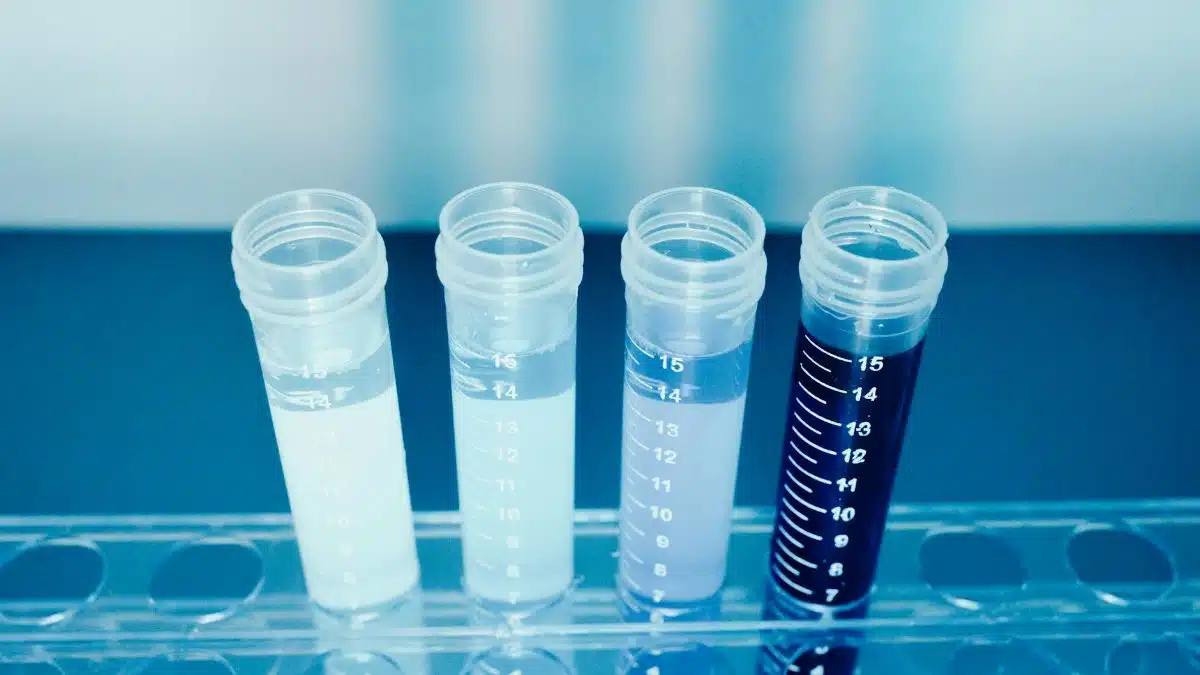
Lab-grown mini-brains promise revolutions in drug testing and disease modeling. Traditional animal models often fail to capture human-specific disorders like microcephaly or autism. Organoids, personalized from patient cells, offer precise readouts. Pharmaceutical firms already screen compounds for epilepsy, watching how seizures ripple through neural networks. For Alzheimers research, they simulate amyloid plaque buildup, testing reversal agents in real time. This could slash development timelines, sparing countless trial-and-error rounds on live subjects.
Ethical Shadows Over Innovation

As these structures gain sophistication, ethicists warn of moral quagmires. Do learning mini-brains feel pain? Current evidence suggests no subjective experience, but pain pathways could emerge. Bioethicists like those at the Nuffield Council urge pain assessments and shutdown protocols. Painstaking debates rage over patenting human-derived tissues and the specter of organoid chimeras fused with animals. Regulations lag behind, with the U.S. National Institutes of Health funding cautiously while calling for global standards.
Philosophical Ripples in Consciousness

These creations probe age-old riddles of the mind. In spiritual traditions, consciousness arises from a divine spark; now, labs nurture it from petri dishes. Neurophilosophers like David Chalmers ponder if mini-brains harbor qualia, the raw feel of experience. While too primitive for true awareness, they erode dualist views, suggesting mind emerges from complexity alone. For readers pondering souls and selfhood, this blurs sacred lines, inviting reflection on humanitys unique spark amid mechanical marvels.
Technical Hurdles Ahead

Scaling remains daunting. Organoids top out at fist-sized due to necrosis in their cores, lacking blood vessels. Innovations like bioprinted scaffolds and microfluidic perfusion aim to sustain larger versions. Genetic tweaks boost neuron diversity, but glitches produce rogue cell types. Standardization eludes the field; one labs brain differs from anothers. Long-term viability demands immune evasion for transplants, a distant horizon.
Global Race and Collaborations

Competition spurs progress. Europes Human Brain Project integrates organoids with AI simulations, while Chinas labs mass-produce them for high-throughput screens. U.S. teams, backed by DARPA, eye military applications like neural prosthetics. Cross-continental consortia share protocols, accelerating insights. The UC study exemplifies this, blending Japanese imaging tech with American stem cell expertise.
Voices from the Vanguard

Lead researcher Dr. Elena Vasquez described the moment of first learning as electric. We watched them evolve, she told reporters, a glimpse of minds bootstrapping themselves. Critics like philosopher Thomas Metzinger caution against anthropomorphizing, yet even skeptics concede the data. Patient advocates hail potential cures for rare encephalopathies, where organoids could preview therapies before birth.
Toward Hybrid Intelligences

Envision organoid-computer interfaces: mini-brains training algorithms with biological nuance, or cyborg implants restoring stroke-damaged cognition. Startups like FinalSpark already link organoids to chips for energy-efficient computing. Ethical guardrails must evolve alongside, ensuring benefits outweigh risks. This fusion could redefine intelligence, blending wetware with silicon.
A Mirror to Our Minds

Lab-grown mini-brains serve as profound mirrors, reflecting humankinds quest to comprehend itself. They demystify development, exposing how environment sculpts neural fate. For middle-aged readers navigating memorys ebb, these tiny thinkers underscore brains plasticity lifelong. As research accelerates, society must deliberate: what worlds do we birth in striving to heal our own? The pulse of these creations reminds us that understanding life means embracing its engineered echoes.
(Word count: 1,248)