
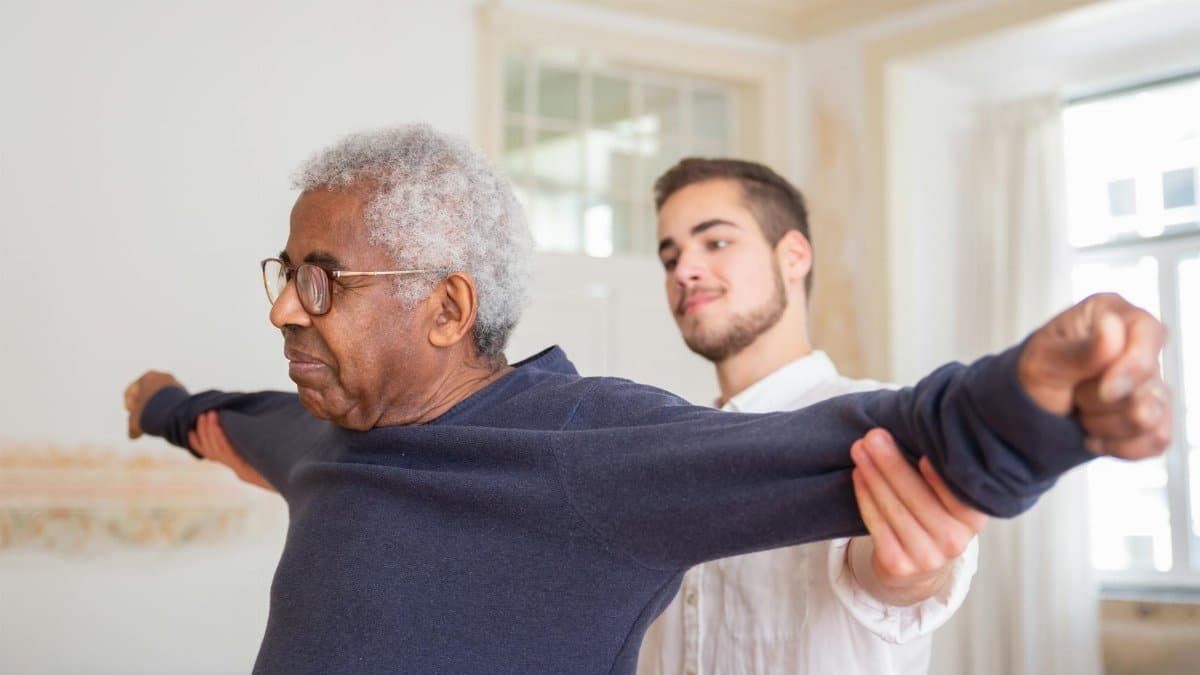
**When Michael Thompson first noticed the slight tremor in his left hand he dismissed it as nothing more than stress from his accounting job. Months later a neurologist delivered the diagnosis and at 57 he found himself confronting Parkinsons disease. Tasks that once seemed automatic buttoning a shirt pouring coffee without spilling suddenly demanded intense concentration. His gait slowed. His posture began to stoop. The future appeared to narrow. Then a physical therapist suggested something surprisingly simple. Thompson began practicing parkinsons exercises tailored to his changing body. Within weeks he sensed a shift not only in his muscles but in his outlook. The stiffness eased. His confidence grew. What he discovered mirrors a larger story unfolding in clinics and research centers across the country.**
The Growing Role of Physical Activity in Symptom Management
Medical understanding of Parkinsons has evolved. Where pills once dominated conversation doctors now speak of movement as medicine. Consistent physical activity appears capable of influencing disease progression in meaningful ways. It supports dopamine pathways helps maintain coordination and can reduce the severity of both motor and non motor symptoms. Thompson like thousands of others learned that waiting for symptoms to worsen before acting often leads to faster decline. Starting early with the right kinds of movement can preserve independence longer than previously thought possible.
How Aerobic Exercise Affects Brain Function
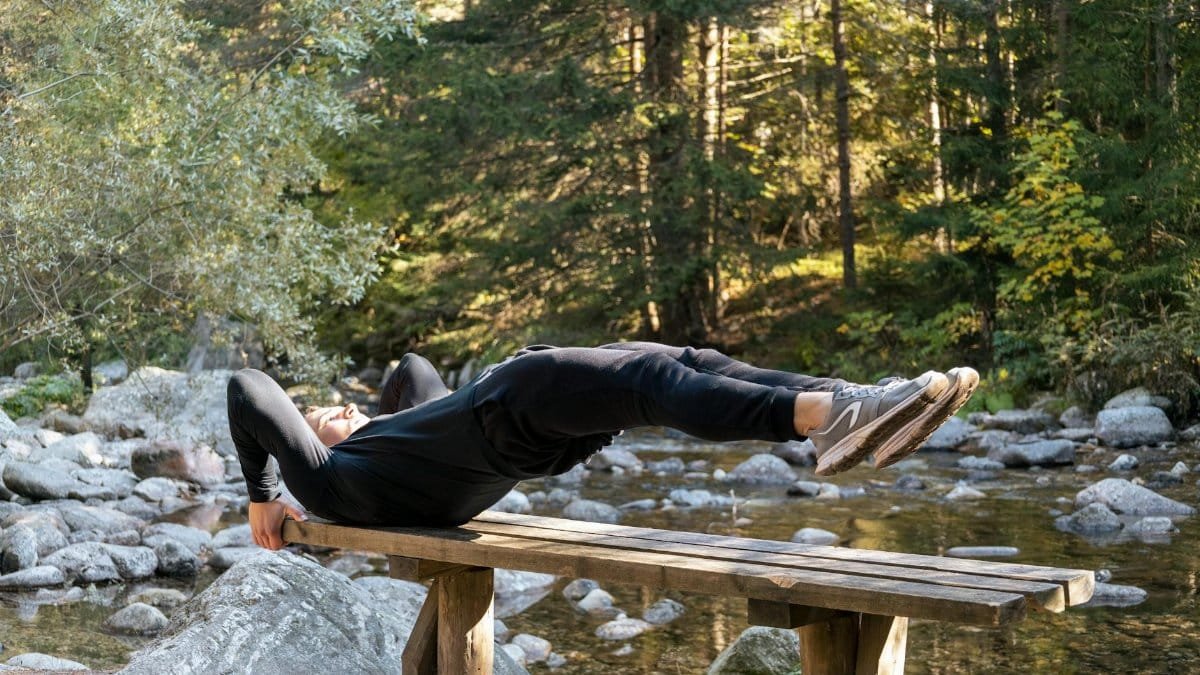
Brisk walking cycling on a stationary bike or swimming laps constitute some of the most studied approaches. These activities elevate heart rate and appear to trigger the release of neurotrophic factors that protect brain cells. A landmark study published in JAMA Neurology followed participants for two years and found that those who completed regular aerobic sessions experienced slower progression of motor symptoms compared with those who remained largely sedentary. The link can be read here: JAMA Neurology. Researchers believe increased blood flow and oxygenation may help remaining dopamine producing neurons function more efficiently.
Building Better Balance Through Specific Training
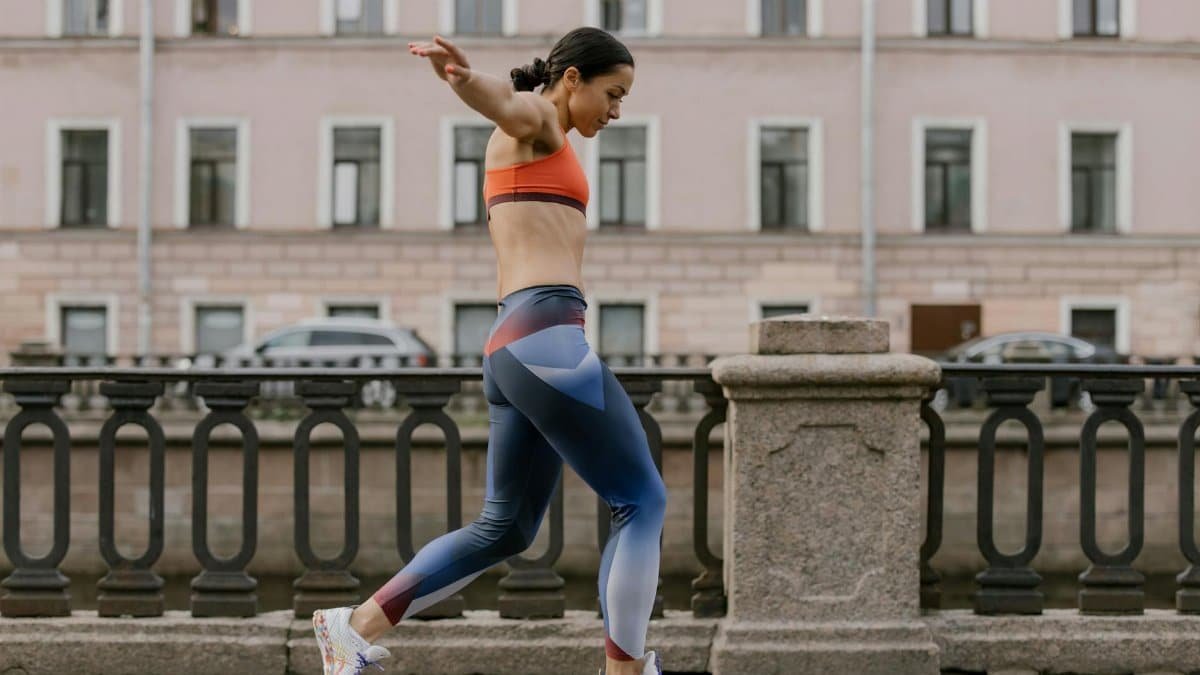
Loss of balance ranks among the most frightening aspects of Parkinsons. Simple weight shifts or standing on one foot with support can rebuild stability. Physical therapists now use targeted balance drills that challenge the vestibular system and improve proprioception. These exercises often incorporate reaching bending and controlled stepping patterns. Over time patients report fewer near falls and greater confidence when navigating uneven surfaces or turning quickly.
Dance Therapy and Its Surprising Advantages
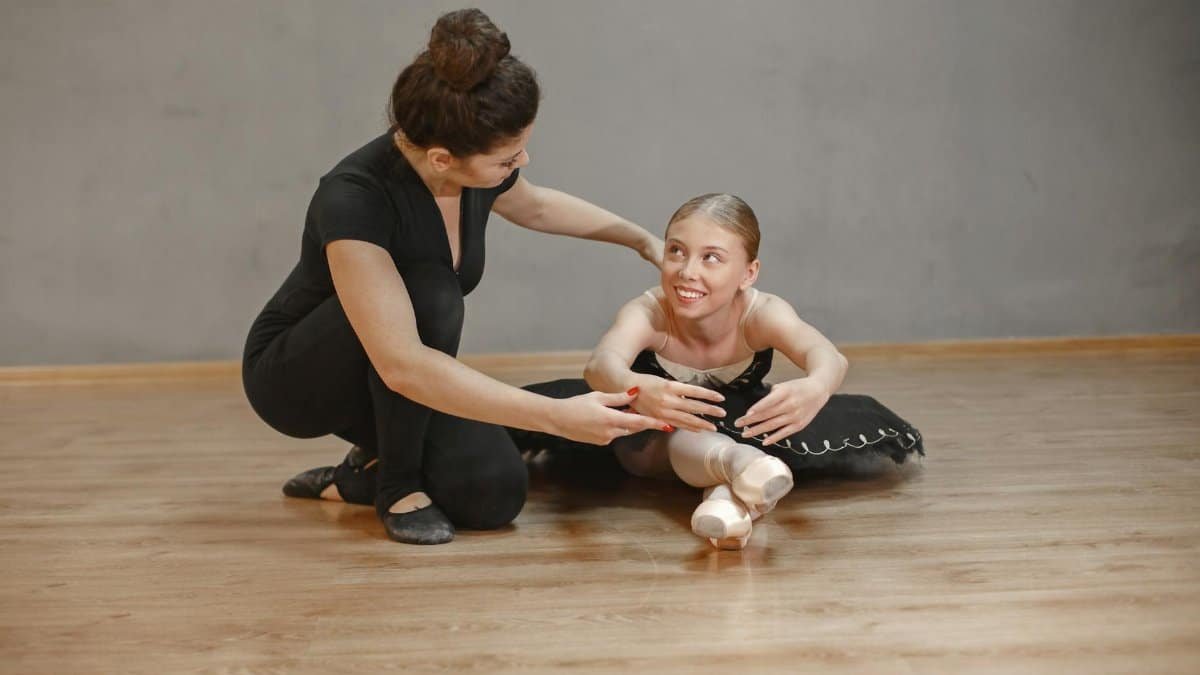
Few activities combine physical cognitive and emotional elements as elegantly as dance. Argentine tango in particular has drawn attention from researchers because its rhythmic patterns and partner interaction address multiple Parkinsons symptoms at once. Participants must listen anticipate and respond in real time which sharpens attention and coordination. Many local community centers now offer dance classes designed specifically for people living with neurological conditions. The social connection proves as healing as the movement itself.
Boxing Regimens Tailored for Parkinsons Patients
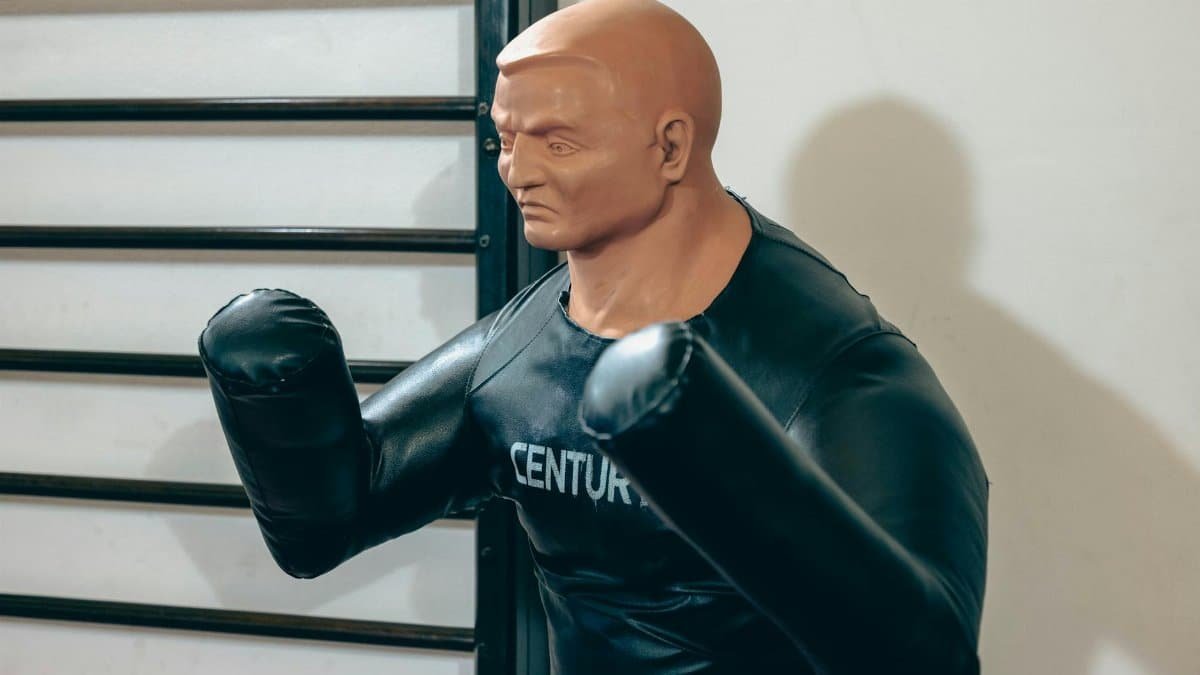
Rock Steady Boxing has become one of the best known parkinsons exercises programs in the United States. Participants throw punches at pads perform footwork drills and practice rapid directional changes. The training emphasizes power speed and loud vocalization all of which combat the soft voice and masked facial expression common in the disease. Studies conducted at Indiana University found measurable improvements in gait velocity and endurance among regular participants. The non contact format makes it accessible regardless of previous athletic experience.
The Value of Strength Building Workouts
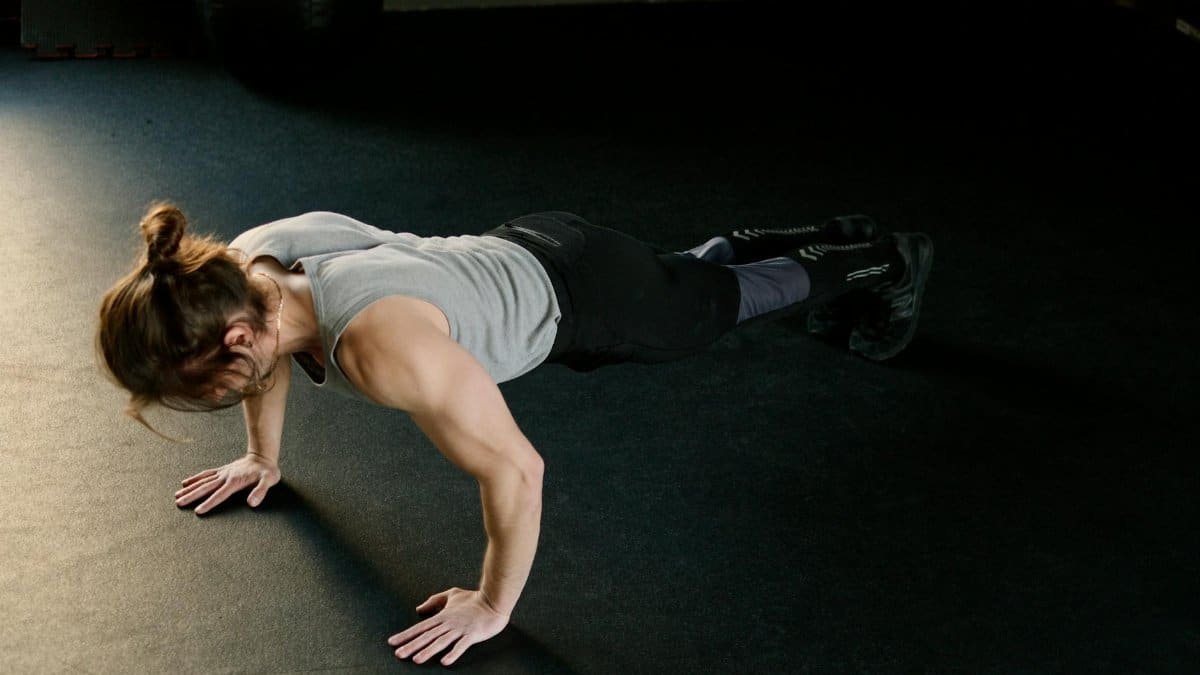
Muscle weakness compounds mobility problems in Parkinsons. Progressive resistance training using light weights or resistance bands helps counteract sarcopenia the age related loss of muscle mass that arrives earlier for those with the condition. Simple movements such as seated leg presses wall push ups and controlled chair stands can be performed at home. The goal is not bulk but functional strength that supports daily activities and protects joints.
Tai Chi Practices for Fluid Movement
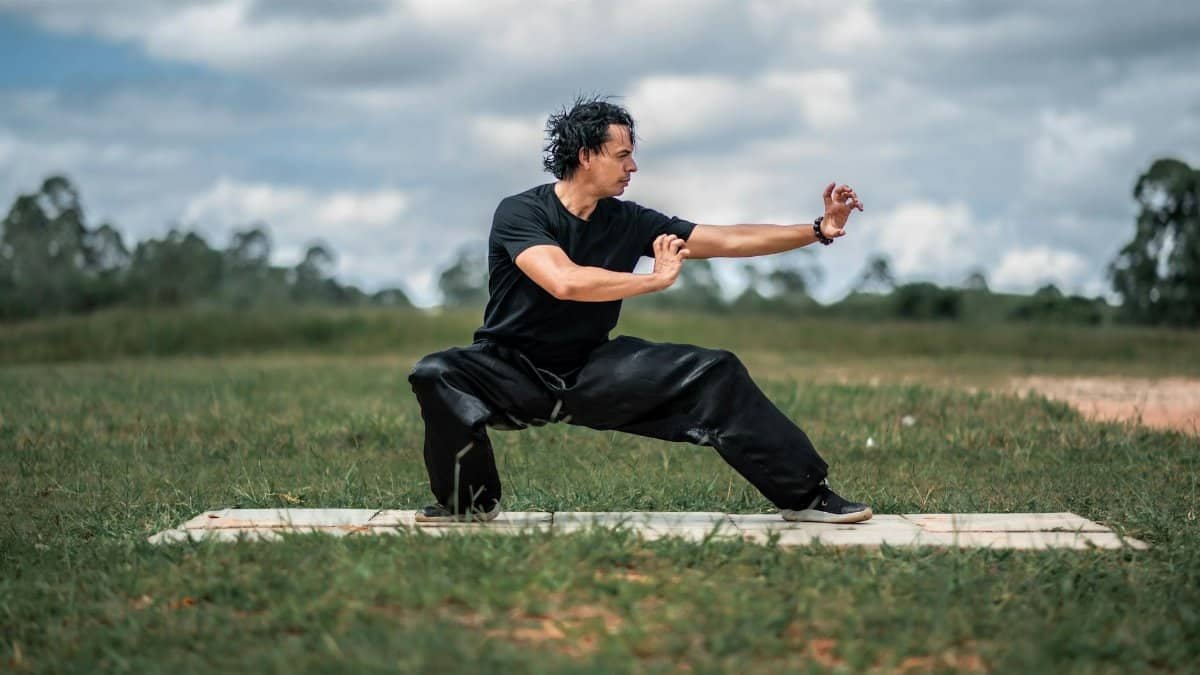
This ancient Chinese practice emphasizes slow deliberate motions and mindful breathing. Multiple clinical trials have shown tai chi improves balance and reduces falls among Parkinsons patients more effectively than some traditional stretching programs. The flowing sequences encourage weight shifting and trunk rotation abilities that typically diminish with the disease. Beyond the physical benefits many practitioners describe a deep sense of calm that lingers long after the session ends connecting body awareness with inner stillness.
Breathing Techniques Combined with Gentle Motion
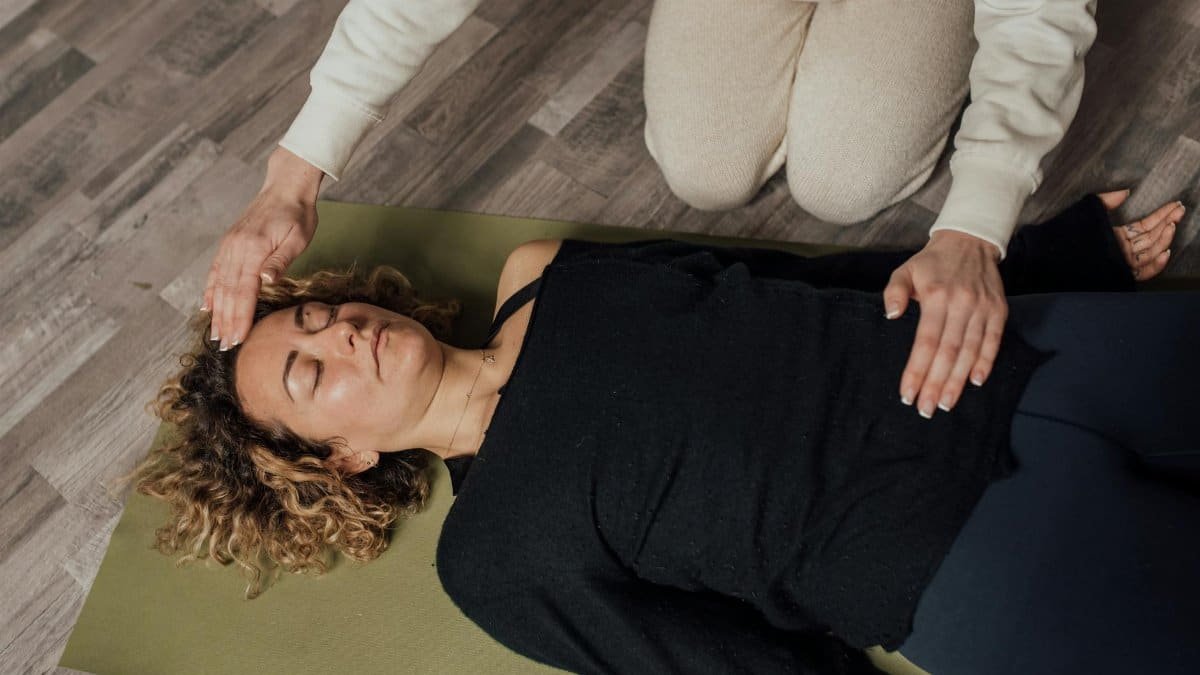
Respiratory function often declines silently in Parkinsons. Specific exercises that coordinate breath with movement such as yoga inspired flows or vocal projection drills can strengthen diaphragm control and improve voice volume. These practices also activate the parasympathetic nervous system reducing anxiety that frequently accompanies chronic illness. The spiritual dimension many participants report feeling a reconnection with their bodies that transcends mere symptom relief and touches something deeper.
Crafting a Routine That Fits Your Life

No single program works for everyone. The most successful patients combine different modalities throughout the week perhaps boxing on Monday dance on Wednesday and tai chi on Friday. Consistency matters more than intensity. Starting with ten minute sessions and gradually increasing duration prevents burnout and injury. Tracking progress in a simple journal helps maintain motivation when results feel slow.
Addressing Challenges to Regular Practice
Motivation fluctuates with fatigue depression and busy schedules. Many find accountability partners or group classes provide the external structure needed to keep showing up. Weather joint pain and fear of falling represent additional barriers. Creative solutions abound from exercising while seated to following online instructors who understand neurological limitations. The key lies in adapting rather than abandoning the effort.
Insights from Medical Professionals on Best Approaches
Neurologists increasingly refer patients to therapists certified in Parkinsons specific training methods. The American Parkinson Disease Association and similar organizations offer directories of qualified professionals. Current guidelines suggest at least 150 minutes of moderate intensity activity per week though even smaller amounts yield benefits. Medication timing should be considered when scheduling workouts to take advantage of peak mobility periods.
Personal Accounts of Renewed Vitality
Thompson now 62 continues his routine six years after diagnosis. He walks three miles most mornings attends boxing class twice weekly and practices tai chi in his backyard at sunset. The man who once struggled to sign his own name now leads warm up sessions at his local gym for others living with the same condition. His story echoes countless others who describe not just physical gains but a restored sense of purpose. Many speak of the exercises as a form of moving meditation that nourishes both body and spirit.
Looking Ahead to Future Developments in Treatment
Research continues to explore optimal exercise types timing and intensity. Large scale trials are examining whether certain activities might modify disease course at a cellular level. Technology also plays a growing role with wearable sensors that provide real time feedback and virtual reality programs that make balance training engaging. While no cure exists yet the expanding toolkit of parkinsons exercises offers genuine hope for maintaining quality of life far longer than previous generations could expect.
The journey with Parkinsons remains intensely personal. Yet the emerging science tells a consistent story. Movement matters. It may slow decline improve daily function and restore joy. For middle aged adults navigating this diagnosis the message is clear. The body still possesses remarkable capacity to adapt. Starting today with gentle consistent parkinsons exercises could reshape tomorrow in ways no medication alone can achieve.