
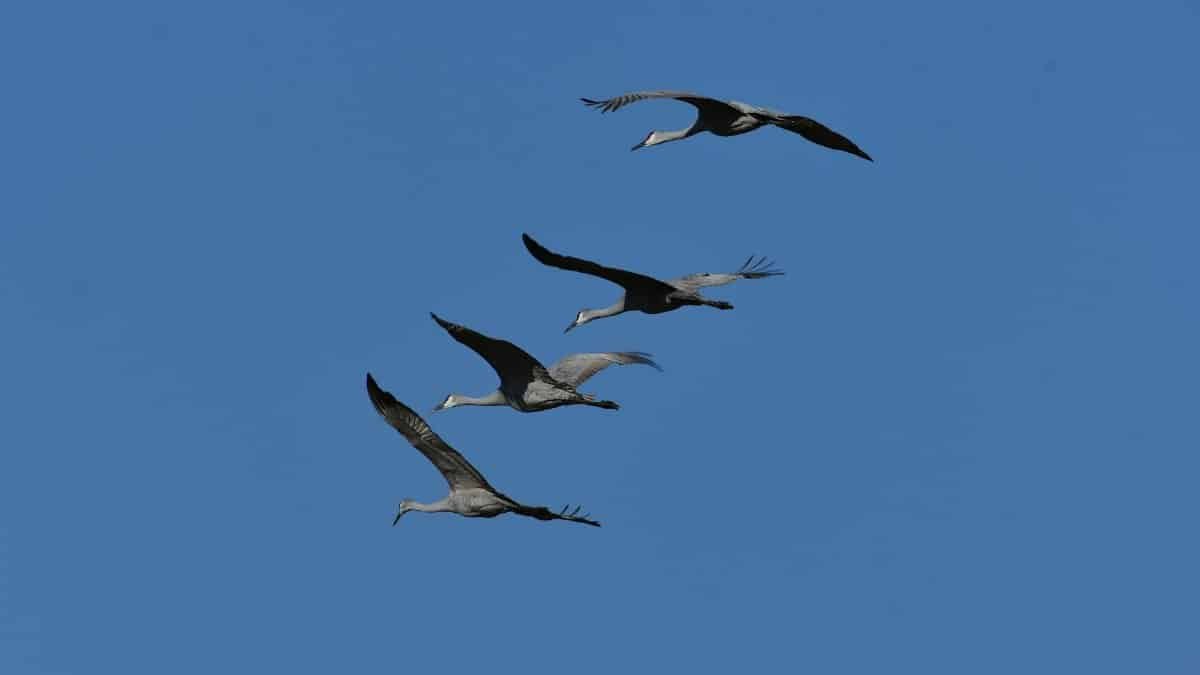
KEARNEY, Neb. — As winter’s grip loosened in early 2026, the skies above Nebraska’s Platte River filled with a symphony of ancient calls, heralding one of nature’s most breathtaking displays: the sandhill crane migration Nebraska. Over 500,000 of these towering gray birds, with their distinctive red crowns, converged on the shallow waters and surrounding fields near Kearney from February through March. Here, they paused to rest and gorge on corn and insects, doubling their body weight in preparation for the arduous journey north. Birdwatchers from across the nation flocked to witness the spectacle, filling local tours and viewing blinds to capacity. Thanks to dedicated conservation efforts that have preserved vital wetlands, the event unfolded without disruption — a pure, awe-inspiring reminder of the wild’s enduring rhythms.
The Platte River: Nebraska’s Crane Highway
The Platte River valley has long served as a critical waypoint for the sandhill crane migration Nebraska, transforming a modest stretch of Midwest river into a temporary avian metropolis each spring. In 2026, Kearney emerged as the epicenter, where the river’s wide, braided channels and adjacent cornfields provided the perfect staging ground. These birds, traveling from as far south as Mexico and the southern U.S., arrive weary but purposeful, their wings spanning up to seven feet. The sheer volume — over half a million strong — creates a living carpet across the landscape, their collective whoops echoing like a prehistoric chorus at dawn and dusk. This natural phenomenon, as detailed in KOA’s roundup of must-see events, underscores the Platte’s irreplaceable role in sustaining one of the world’s great wildlife migrations.
A February-to-March Spectacle Unfolds

Timing is everything in the sandhill crane migration Nebraska, and 2026 delivered a textbook performance. The birds began arriving in earnest in February, peaking through March as southerly winds carried them northward. Dawn flights, where tens of thousands lift off in unison from the river’s sandbars, became daily rituals that left observers breathless. By day, they dispersed into nearby fields to feed voraciously, their long legs probing the soil for sustenance. As March progressed, the flocks began thinning, each departure a poignant signal of spring’s advance. This predictable yet mesmerizing cadence drew crowds eager to align their calendars with nature’s clock, turning a fleeting window into a bucket-list event.
Birdwatchers Descend from Nationwide

Word of the gathering spread like wildfire among avian enthusiasts, pulling birdwatchers nationwide to Nebraska’s central plains. From seasoned ornithologists to families with binoculars in tow, visitors poured into Kearney, transforming quiet motels into buzzing hubs of excitement. The sandhill crane migration Nebraska isn’t just a sight; it’s an experience that unites strangers in shared wonder. Photography workshops filled overnight, and social media lit up with videos of crane “dance” displays — elaborate courtship routines involving leaps, bows, and synchronized wing flaps. For many, it was a rare chance to connect with untamed wilderness just a short drive from major cities, proving that spectacle knows no borders.
Local Tours and Blinds: Front-Row Seats to Wonder
To accommodate the surge, local outfitters ramped up guided tours and erected viewing blinds along prime riverfront spots, all of which sold out swiftly. These setups offered unparalleled access: climate-controlled vans for early-morning stakeouts, elevated platforms overlooking roosting sites, and expert narration on crane behavior. Participants bundled against the crisp air, sipping coffee as the first gray light revealed silhouettes against the horizon. The sandhill crane migration Nebraska thrives on such infrastructure, blending human ingenuity with natural drama. No one left disappointed; instead, they departed with stories — and photos — that would inspire friends back home to plan their own pilgrimage next year.
Rest, Feed, and Fortify: The Cranes’ Vital Pit Stop
At its core, the Platte stopover is about survival for the sandhill cranes. After months of arduous flight, they rest on the river’s sheltered bars and feed relentlessly in the fields, consuming up to a pound of food daily. This refueling is essential; studies from the U.S. Fish and Wildlife Service note that cranes can gain 20-50% of their body weight here, building fat reserves for the 2,000-mile trek to Arctic breeding grounds. In 2026, the process played out flawlessly, with no signs of nutritional stress amid abundant resources. It’s a testament to the ecosystem’s balance, where every kernel of waste corn counts toward the birds’ northern odyssey.
Conservation: Safeguarding Wetlands for Generations
Behind the seamless spectacle lie decades of conservation efforts that have preserved the Platte’s wetlands against development pressures. Organizations and local stakeholders have protected key habitats, ensuring the river remains shallow and wide — ideal for roosting. These initiatives, blending easements, restoration projects, and water management, directly enabled the 2026 gathering’s success. Without them, the sandhill crane migration Nebraska could dwindle, as habitat loss has already thinned other flyways. The absence of disruptions this year highlights the payoff: a thriving population that not only endures but captivates, inviting us to reflect on our role in stewarding such treasures.
Northward Bound: The Journey Continues
As March waned, the cranes’ focus shifted skyward, their numbers ebbing as they launched toward breeding grounds in Canada, Alaska, and Siberia. Twilight departures, silhouetted against fiery sunsets, marked poignant farewells — flocks spiraling upward in thermal updrafts before vanishing north. The sandhill crane migration Nebraska thus serves as a seasonal hinge, bridging winter’s end and summer’s promise. For residents and visitors alike, the exodus leaves a quiet river and lingering memories, a natural cycle poised to repeat in 2027 with equal grandeur.
An Awe-Inspiring Natural Event Like No Other
In an era of scripted entertainment, the sandhill crane migration Nebraska stands out as profoundly unscripted and humbling. Over 500,000 lives pulsing in harmony, undisturbed by human interference, offer a rare glimpse into Earth’s deep time. It’s more than birds on the move; it’s a living poem of resilience and rhythm, as reported in previews of 2026’s natural highlights. Whether through a binocular lens or the naked eye, the event stirs something primal — a call to witness, appreciate, and protect. Nebraska’s Platte River, in that fateful February-to-March window, reminded us all why wild places still hold sway over our imaginations.