

In the bustling tech hubs of San Jose, a quiet revolution is unfolding. Workers juggling endless Zoom calls and startup pressures are turning to something ancient yet freshly relevant: mindfulness practices integrated into everyday mental health care. Clinics across the city, from community centers to high-end wellness facilities, are weaving these techniques into their programs, responding to a surge in demand for tools that combat burnout. At the heart of this shift lies presence awareness clarity, that elusive state where one fully inhabits the moment with sharp, undistorted focus. It’s not just a buzzword; it’s becoming a cornerstone for many seeking relief from the mental fog of modern life. As Silicon Valley innovates outward, more residents are looking inward, and local health providers are stepping up to meet them there.
The Roots of Mindfulness in Bay Area Health

Mindfulness didn’t arrive in San Jose overnight. It traces back to Eastern traditions, adapted over decades in the U.S. through figures like Jon Kabat-Zinn, who popularized Mindfulness-Based Stress Reduction in the late 1970s. In the Bay Area, with its mix of tech-driven stress and progressive wellness culture, these ideas took root early. Local clinics began experimenting with group sessions that emphasized breathing exercises and meditation, aiming to ground patients in the present.
Take a typical scene at a clinic in downtown San Jose. A group of professionals gathers in a softly lit room after work hours. One participant, a software engineer in her forties, shares how the constant ping of notifications erodes her focus. The facilitator guides them through a simple scan of body sensations, fostering that core element of presence awareness clarity. It’s practical, not esoteric. Studies back this up; research from the University of California, Berkeley, shows mindfulness can reduce anxiety by rewiring neural pathways. For more details, see this Greater Good Science Center article on mindfulness and anxiety.
Yet, it’s not all smooth. Some early adopters faced skepticism from traditional therapists who viewed it as too alternative. Over time, evidence mounted, leading to broader acceptance. Now, in 2025, it’s standard fare in many programs.
Why San Jose Clinics Are Embracing Change

Workplace stress in Silicon Valley hits hard. Long hours, high stakes, and the pressure to innovate create a perfect storm for mental health challenges. A report from the American Psychological Association highlights how chronic stress affects cognitive function, making clarity hard to come by. Clinics are responding by adding mindfulness modules to therapy sessions, group counseling, and even telehealth options.
Consider the story of a midlevel manager who walked into a clinic last year, overwhelmed by deadlines. Through guided practices, he learned to notice his thoughts without judgment, achieving a glimmer of presence awareness clarity amid chaos. Such anecdotes are common, reflecting a broader trend where mental health providers tailor programs to local needs. The city’s diverse population, including many immigrants balancing cultural expectations with American hustle, finds resonance in these adaptable tools.
Public interest is booming too. Online discussions often reveal a hunger for simple ways to reclaim mental space; one anonymous account described feeling “finally awake” after a mindfulness workshop, echoing sentiments from forums where people vent about digital overload. This grassroots demand pushes clinics to innovate.
Key Components of Presence Awareness Clarity

Breaking it down, presence means being here now, not lost in yesterday’s regrets or tomorrow’s worries. Awareness adds a layer of noticing what’s arising in mind and body. Clarity sharpens it all, cutting through distractions like a clear lens. In San Jose’s programs, therapists teach this through exercises like mindful walking in nearby parks or focused breathing during commutes.
It’s not abstract. A recent session at a community clinic involved participants listing daily distractions, then practicing short meditations to refocus. One woman realized her phone habits were clouding her decisions at home. This ties into findings from the National Institutes of Health, where mindfulness is linked to improved emotional regulation. Explore this NIMH page on mindfulness for foundational insights.
Challenges arise when beginners expect quick fixes. Clarity doesn’t come instantly; it builds like a muscle. Clinics address this by starting small, integrating it into cognitive behavioral therapy for lasting impact.
Impact on Workplace Wellness
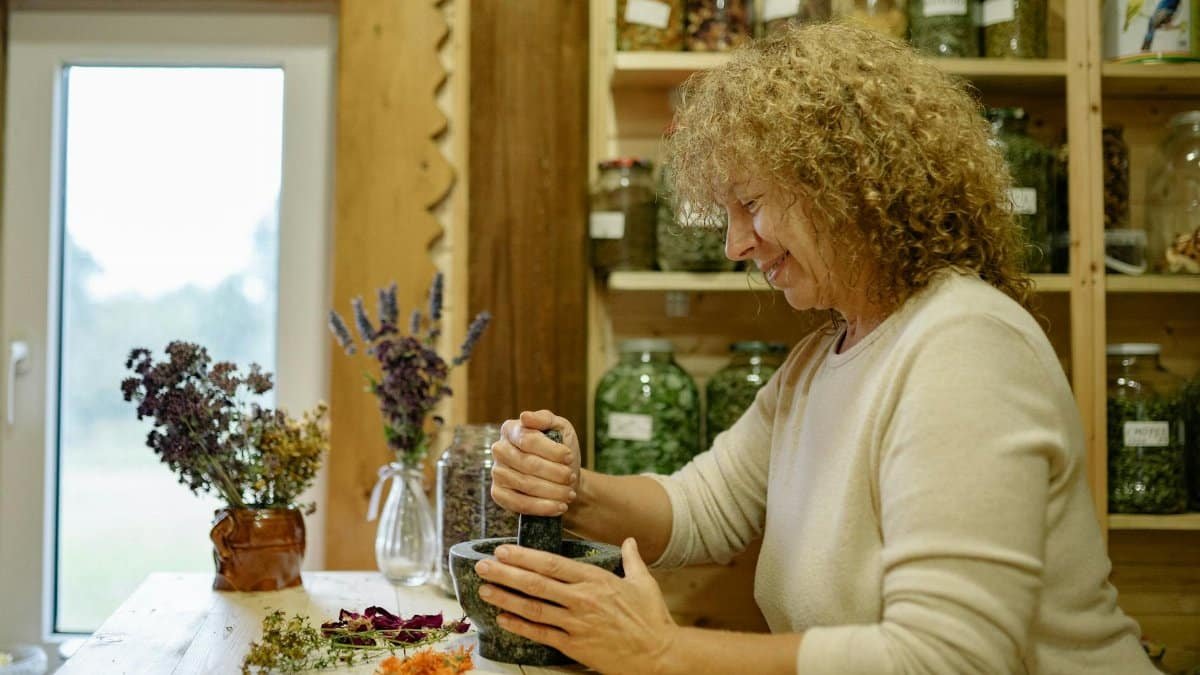
“I used to multitask through meetings, but now I actually listen,” a tech worker told his counselor after months of practice. In San Jose, where companies like Google and Apple dominate, mindfulness is infiltrating corporate wellness. Clinics partner with employers to offer on-site sessions, emphasizing presence awareness clarity to boost productivity and reduce turnover.
Data supports the push. A Pew Research Center survey found that a growing number of Americans report work-related stress, with mindfulness cited as a top coping strategy. In 2025, projections suggest even more integration, as remote work blurs boundaries further. For statistics on this, check the Pew Research Center’s report on mental health trends.
Yet, not everyone buys in. Some executives worry it’s too soft for cutthroat industries. Clinics counter with evidence of measurable outcomes, like lower absenteeism rates, turning skeptics into advocates through real results.
Challenges in Implementation

Accessibility remains a hurdle. Not all San Jose residents can afford private clinics, and public options are stretched thin. Cultural barriers also play a role; in some communities, mental health stigma discourages participation. Providers are working to bridge this by offering free workshops and culturally sensitive adaptations.
Another issue is consistency. Patients often start strong but fade without support. One clinic introduced app-based reminders, helping users maintain presence awareness clarity in daily routines. Still, experts note the need for ongoing research to refine these approaches.
Tensions emerge when mindfulness is packaged as a cure-all. It’s powerful, but not standalone. Integrating it with medication or talk therapy yields the best results, as per guidelines from the Centers for Disease Control and Prevention. See their CDC mental health coping strategies page for related resources.
Personal Stories from the Front Lines

Meet Elena, a nurse in her fifties who sought help after pandemic burnout. At a San Jose clinic, she discovered mindfulness through group sessions. “It was like wiping fog from a window,” she said, describing how presence awareness clarity helped her manage shifts without emotional exhaustion. Her story mirrors many: small practices leading to profound shifts.
Then there’s Raj, an entrepreneur juggling startups. He integrated short meditations into his day, finding clarity amid investor pitches. These narratives humanize the trend, showing how clinics adapt to individual needs, from trauma recovery to everyday stress relief.
Such accounts highlight the human element. They’re not scripted success stories but real journeys, complete with setbacks, underscoring mindfulness’s role in building resilience.
Looking Ahead: Expansion and Innovation
As demand grows, San Jose clinics are innovating. Virtual reality mindfulness experiences are emerging, simulating serene environments for those stuck in urban sprawl. Partnerships with schools aim to teach young adults these skills early, preventing future mental health crises.
Forecasts for 2025 point to wider adoption, driven by public interest and evidence-based outcomes. Yet, sustainability matters. Providers emphasize ethical integration, avoiding commercialization that dilutes the practice’s essence.
In the end, presence awareness clarity isn’t a fad; it’s a response to our times. As San Jose leads, other cities may follow, reshaping mental health care nationwide.
Broader Implications for Mental Wellness

Beyond clinics, this trend ripples into daily life. Families practice mindful eating at dinner tables, fostering deeper connections. Community events, like park meditations, build collective well-being. It’s a subtle cultural shift, aligning with national conversations on mental health equity.
Critics argue it’s overhyped, but proponents point to transformative potential. Balancing hype with realism, clinics focus on evidence, ensuring programs evolve thoughtfully.
Ultimately, in a world of distractions, cultivating presence awareness clarity offers a path to genuine calm, one breath at a time.