

In the rolling hills east of San Francisco a major transportation upgrade has quietly set the stage for a new wave of construction that few residents anticipated even a decade ago. As crews prepare tracks for faster regional travel the surrounding flatlands have drawn interest from technology firms seeking large footprints for server facilities. High Speed Rail Data now surfaces in planning discussions as a term that captures both movement and the information flows such movement could support.
Tracing Early Signs of Change

Local officials first noticed patterns in land purchases near proposed rail stops. These acquisitions often involved parcels once used for warehouses or light agriculture. Over time the pattern suggested more than simple speculation.
How Rail Corridors Shape Digital Growth
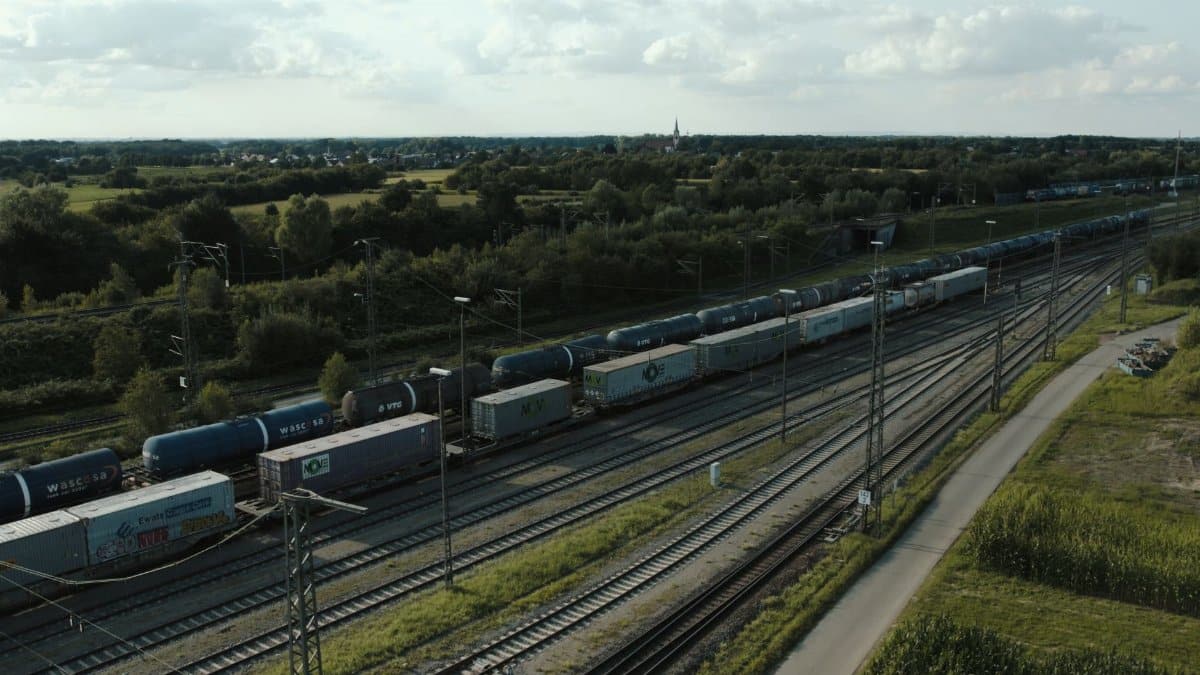
Transportation routes have long influenced where industries settle. In this case the promise of reliable high speed connections appears to reduce latency concerns for companies that must shuttle vast quantities of information between coastal cities and inland hubs.
Community Voices on New Development
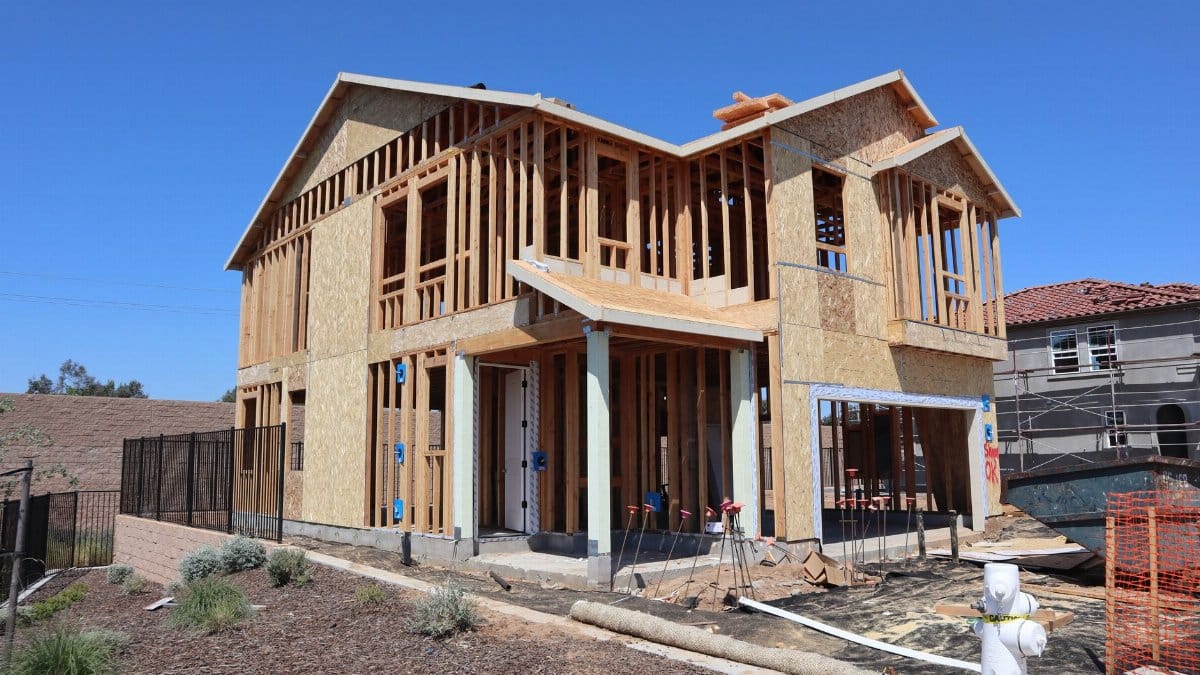
Residents express mixed feelings. Some welcome the prospect of steady construction jobs while others worry about increased traffic and changes to the rural character they have known for generations. Town hall meetings reveal a desire for careful zoning that protects open space.
Environmental Considerations in the Mix
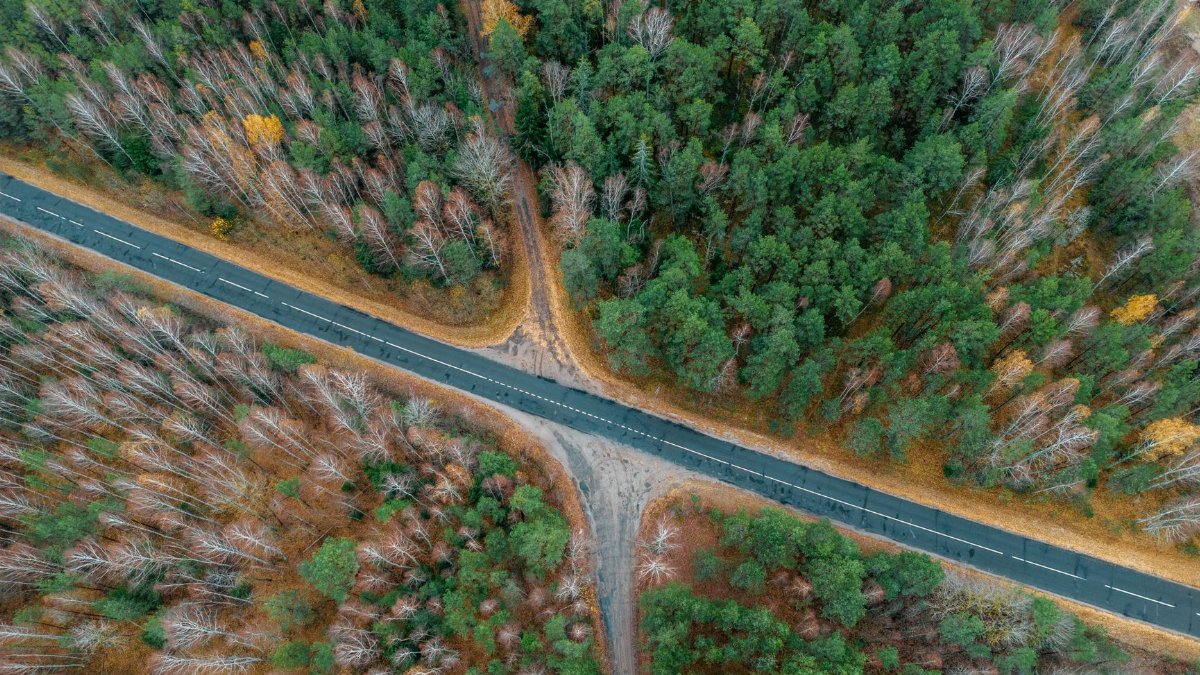
Planners must weigh energy demands of large server installations against the cleaner profile of electrified rail. Water use for cooling systems also enters the conversation as California continues to manage periodic drought cycles.
Policy Steps That Could Guide Expansion

State legislators have begun reviewing incentives that tie rail completion milestones to data facility approvals. Such linkage aims to ensure that new buildings contribute to public infrastructure rather than strain it.
Looking Ahead at Regional Identity

As High Speed Rail Data becomes part of official reports the Bay Area may find itself balancing its reputation for innovation with the need to preserve agricultural heritage and scenic views. The outcome will depend on continued public input and transparent data sharing.
Lessons From Similar Projects Elsewhere

Other states have seen rail corridors attract clusters of technology operations. Those experiences offer reminders that success hinges on coordinated permitting and reliable power supply rather than speed alone.
Measuring Long Term Effects on Daily Life

Commuters stand to gain shorter travel times between homes and workplaces. At the same time the arrival of windowless buildings could alter the visual rhythm of once open landscapes.
Funding Realities Behind the Vision

Public private partnerships remain central to financing both rail segments and any adjacent facilities. Investors seek clarity on timelines before committing further capital.
Potential Shifts in Workforce Patterns

Skilled technicians may relocate to towns along the route creating demand for housing and schools. Training programs at nearby colleges could help prepare local workers for these roles.
Balancing Innovation With Tradition

The region has always adapted to new industries yet each wave brings questions about what stays constant. Discussions now include how to maintain community gathering spots even as industrial footprints grow.
Final Thoughts on Sustainable Progress
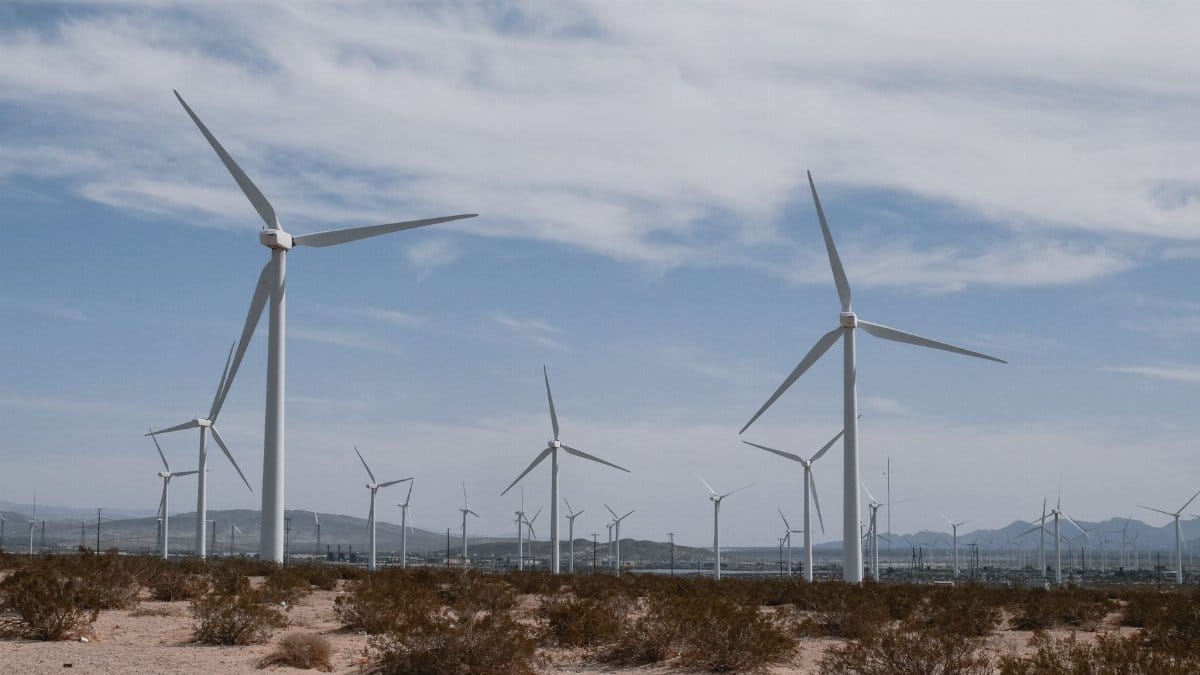
High Speed Rail Data will likely appear in future environmental reviews as agencies track both passenger volumes and digital traffic loads. Thoughtful oversight can help ensure that growth serves residents as well as corporations.