

In the bustling streets of San Francisco, where tech offices hum with constant activity and coffee shops buzz with entrepreneurs pitching ideas, a quiet revolution is underway. Clinics across the city are weaving meditation into their mental health offerings, responding to a surge in demand for tools that foster calm focus awareness. This isn’t just a fad; it’s a response to the relentless pace of urban life, where stress from long work hours and digital overload leaves many feeling scattered. As more residents seek ways to reclaim mental clarity, these programs highlight a broader cultural shift toward mindfulness practices that promise not just relaxation, but a deeper, sustained sense of presence. Local health experts note this integration reflects growing evidence that such techniques can transform everyday coping mechanisms into something more profound.
The Rise of Meditation in Urban Health Care

San Francisco’s health landscape has long been innovative, but the recent push to incorporate meditation stands out. Clinics like those affiliated with UCSF are now offering guided sessions alongside therapy, aiming to address anxiety and burnout head-on. This move comes as no surprise in a city where the median workweek stretches well beyond 40 hours for many in the tech sector. Patients report arriving frazzled, their minds racing with emails and deadlines, only to leave with a toolkit for cultivating that elusive calm focus awareness.
One clinic director shared a story of a software engineer who stumbled into a session after a particularly grueling sprint at work. “He sat there, skeptical at first,” she recalled. “But by the end, he described feeling a weight lift, like his thoughts had finally settled.” Such anecdotes underscore how meditation isn’t treated as an add-on but as a core component, blending seamlessly with cognitive behavioral therapy. The approach draws from established research, showing meditation’s role in reducing cortisol levels and enhancing attention spans.
Transitions like this feel organic in a place known for disruption. Yet, it’s not without its skeptics, who wonder if this is just another wellness trend repackaged for the Bay Area elite.
Understanding Calm Focus Awareness Through Practice
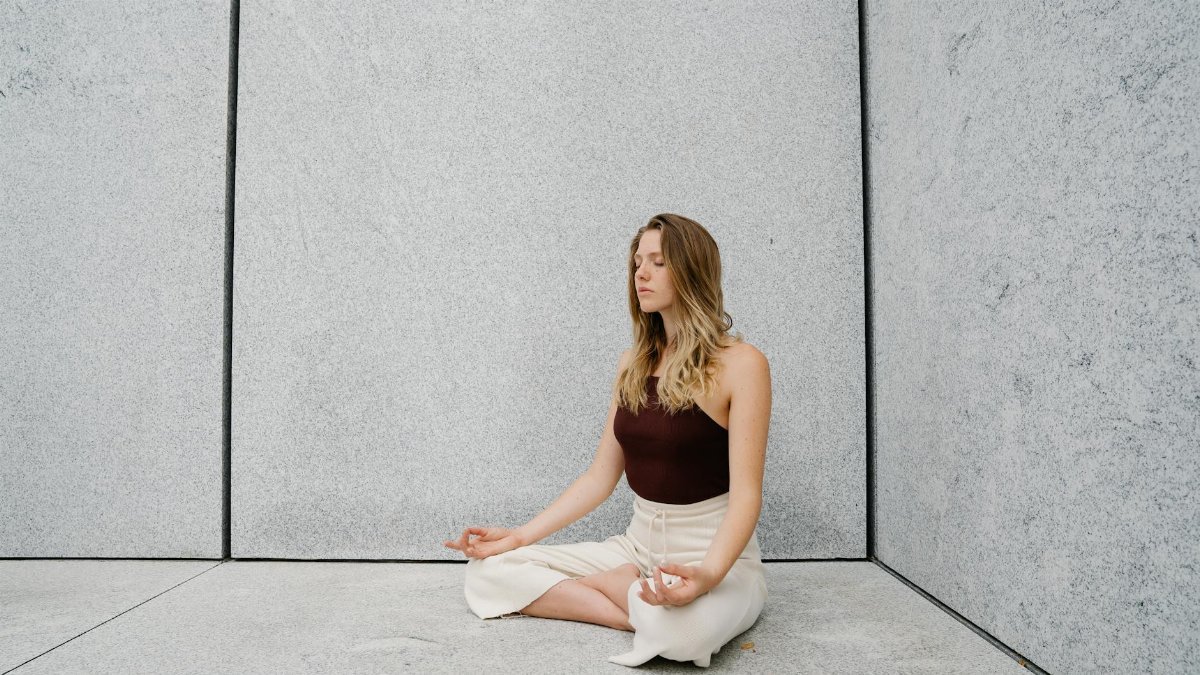
What does calm focus awareness really mean in the context of these programs? At its heart, it’s about achieving a state where the mind is alert yet serene, free from the usual distractions. Clinics emphasize breathwork and body scans to build this skill, teaching participants to observe thoughts without judgment.
Imagine a group session in a sunlit room overlooking the Golden Gate Bridge. Participants close their eyes, guided by an instructor’s steady voice. One woman, a marketing executive, later described it as “tuning into a frequency I’d forgotten existed.” This isn’t abstract; it’s practical, rooted in neuroscience that links mindfulness to strengthened neural pathways for concentration.
Programs vary, some incorporating apps for at-home practice, others focusing on group dynamics. The key is consistency, turning sporadic attempts into habits that sustain mental resilience. As one facilitator put it, it’s less about escaping stress and more about navigating it with grace.
Workplace Stress Driving the Demand

San Francisco’s tech boom has brought prosperity, but also a spike in mental health challenges. With companies like Google and Meta headquartered nearby, employees face intense pressure to innovate relentlessly. A recent report from the Centers for Disease Control and Prevention highlights how workplace stress contributes to higher rates of anxiety disorders in urban areas.
Clinics are stepping in, tailoring meditation to these realities. Sessions often start with discussions of daily triggers, like endless Zoom calls, then move into techniques for regaining calm focus awareness amid chaos. One anonymized account from an online forum captured this: a user shared feeling overwhelmed by notifications until meditation helped them “filter the noise and zero in on what matters.”
This integration isn’t isolated. It’s part of a larger trend where employers partner with clinics, offering on-site mindfulness workshops. The result? Reduced absenteeism and improved productivity, according to preliminary data from local health networks.
Still, not everyone buys in right away. Some view it as a band-aid for deeper systemic issues, like overwork culture.
Public Interest in Mental Wellness Fuels Expansion
Beyond the workplace, a growing public fascination with mental wellness is propelling meditation’s rise. Bookstores in neighborhoods like the Mission District stock shelves with titles on mindfulness, and community centers host free sessions. This interest aligns with national surveys, such as one from Pew Research Center, indicating that over 40% of Americans have tried meditation in the past year, up from a decade ago.
In San Francisco, clinics report waitlists for programs that blend meditation with traditional care. A middle-aged teacher attending one such clinic found it transformative. “It wasn’t about emptying my mind,” she said. “It was about finding calm focus awareness in the midst of grading papers and parent meetings.” Her story mirrors many, where everyday people seek tools for balance in a hyper-connected world.
The expansion includes diverse offerings, from trauma-informed sessions to those incorporating cultural elements, ensuring accessibility. As interest swells, experts predict even more integration into public health initiatives.
Challenges in Implementing Meditation Programs

Despite the enthusiasm, rolling out these programs isn’t seamless. Funding remains a hurdle, with some clinics relying on grants to cover costs. There’s also the question of training: not all therapists are versed in meditation techniques, leading to partnerships with certified instructors.
Accessibility poses another issue. While tech workers might afford premium sessions, lower-income residents often face barriers. One clinic addressed this by offering sliding-scale fees, but scalability is a concern. A participant from a public housing community noted, “It’s great in theory, but getting there after a double shift is tough.”
Moreover, measuring success isn’t straightforward. While self-reported improvements in calm focus awareness are common, long-term studies are needed. Research from National Institutes of Health suggests benefits, but critics call for more rigorous trials.
These challenges highlight the need for thoughtful implementation, balancing innovation with equity.
Evidence-Based Benefits Backing the Trend

What makes meditation a worthy addition to mental health programs? Science provides compelling answers. Studies show it can lower blood pressure and improve sleep, key factors in overall well-being. For instance, a landmark review published in JAMA Internal Medicine found mindfulness meditation effective for reducing symptoms of anxiety and depression.
In San Francisco’s context, these benefits translate to real-life gains. Clinics track metrics like reduced therapy drop-out rates among those incorporating meditation. One program saw participants report heightened calm focus awareness, enabling better emotional regulation during stressful periods.
Experts emphasize starting small. A brief daily practice can yield noticeable changes, from sharper decision-making to deeper interpersonal connections. This evidence base reassures skeptics, positioning meditation as a legitimate therapeutic tool rather than mere hype.
Personal Stories of Transformation

Amid the data, personal narratives bring the impact to life. Take Sarah, a fictional composite based on real accounts: a 45-year-old project manager who joined a clinic program after a panic attack at work. Through weekly meditation, she discovered calm focus awareness, describing it as “a anchor in stormy seas.”
Her routine evolved from chaotic mornings to mindful starts, incorporating short breathing exercises. “It changed how I approach conflicts,” she reflected. Such stories abound, illustrating meditation’s role in fostering resilience.
Another angle comes from group dynamics, where participants share breakthroughs. In one session, a retiree found solace from grief, using focus techniques to process emotions without overwhelm. These vignettes reveal the human side, beyond clinical outcomes.
Looking Ahead: Sustaining the Momentum

As 2025 approaches, San Francisco’s clinics are poised to deepen their commitment to meditation. With telehealth options expanding access, more residents could benefit. Collaborations with schools and workplaces might normalize these practices further.
Yet, sustainability depends on addressing gaps, like cultural inclusivity and robust evaluation. If done right, this could model a nationwide shift, where calm focus awareness becomes a cornerstone of mental health care.
The city’s innovative spirit suggests optimism. As one health advocate put it, “We’re not just treating symptoms; we’re empowering lives.”
Broader Implications for American Wellness

San Francisco’s model resonates nationally, especially in other high-stress cities like New York or Seattle. The integration of meditation signals a pivot toward holistic care, acknowledging that mental health thrives on more than medication alone.
Trends indicate rising adoption, with apps and online resources democratizing access. For middle-aged Americans juggling careers and family, these tools offer practical relief. Calm focus awareness, once esoteric, now feels attainable, promising a more balanced future.
Ultimately, this movement invites reflection on how we prioritize well-being in a demanding society.