
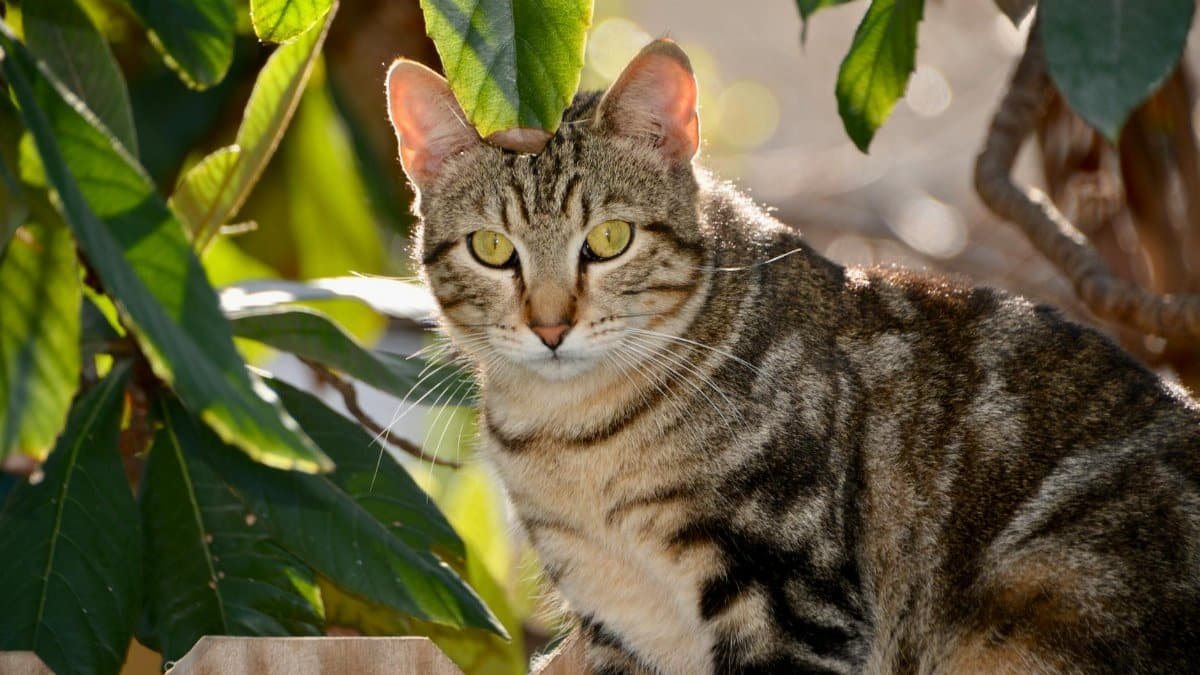
In the heart of San Antonio’s East Side, a gray cat’s plight has sparked widespread worry among residents and animal lovers alike. On February 25, 2026, the feline—now an unwitting symbol of the “cat jar San Antonio” saga—was spotted with a jar firmly stuck on its head, darting nervously under a nearby shed. Animal Care Services has mobilized a search near E. Houston and N. Grimes streets, urging the public not to approach but to report sightings immediately. Photos shared by community members online have amplified the call for help, turning local concern into a collective effort. Officials note the cat seems otherwise healthy, and traps baited with food are now in place as volunteers step up to assist. (112 words)
The Moment That Caught Eyes

It started with a startling sighting that quickly rippled through San Antonio’s tight-knit East Side neighborhoods. On that crisp February afternoon in 2026, witnesses caught sight of the gray cat, its head awkwardly encased in a glass jar, scrambling for cover. The image was both heartbreaking and oddly memorable, evoking the kind of everyday mishaps that can turn perilous for curious animals. Rather than fleeing into the distance, the cat sought refuge under a shed, buying precious time for rescuers to respond. This initial encounter, captured in snapshots by passersby, set the stage for what has become a community-driven mission.
Pinpointing the Search Zone

Animal Care Services zeroed in on the area around E. Houston and N. Grimes streets, a bustling stretch where urban life intersects with stray animal habitats. The cat’s last known location under the shed has become ground zero for the operation. Teams are methodically combing the vicinity, aware that these neighborhoods—lined with homes, small businesses, and alleyways—offer plenty of hiding spots for a skittish feline. The precision of this focus stems from those early eyewitness accounts, ensuring efforts aren’t scattered but targeted where the cat was most recently seen.
Online Photos Fuel Awareness

Word spread like wildfire thanks to the power of social media. Community members who spotted the cat wasted no time sharing photos online, transforming a local oddity into the “cat jar San Antonio” story that’s now buzzing across platforms. These images, grainy but poignant, show the gray cat’s predicament in stark detail: the jar obscuring its vision, yet the animal moving with a surprising agility. The posts haven’t just raised eyebrows—they’ve mobilized empathy, drawing in neighbors who might otherwise overlook a stray. In an era where a single photo can rally hundreds, this digital amplification has been crucial in keeping the search alive.
Why Officials Say: Look, Don’t Touch

In a city familiar with wildlife encounters, San Antonio’s Animal Care Services issued clear guidance: observe and report, but steer clear. Approaching the cat could heighten its stress, prompting it to bolt further into danger or lash out in fear. This advice underscores a fundamental truth in animal rescue—patience often trumps impulse. As reported by KSAT, officials emphasized that untrained interventions risk worsening the jar’s grip or injuring both the cat and would-be helpers. Instead, they’re channeling public energy into sightings reports, creating a network of eyes on the ground.
Strategic Traps and Baited Hope

Rescue teams aren’t relying on chance alone. Traps have been strategically placed throughout the search area, each one loaded with enticing food to lure the hungry cat without confrontation. This humane approach draws on proven methods for trapping skittish strays, allowing the animal to enter voluntarily while minimizing trauma. Near E. Houston and N. Grimes, these setups blend into the environment—under sheds, along fences—positioned precisely where the cat was last observed. It’s a quiet, calculated effort, reflecting the expertise of Animal Care Services in handling cases like this “cat jar San Antonio” emergency.
A Glimpse of Resilience: The Cat’s Condition

Amid the worry, there’s a silver lining: the cat appears otherwise healthy. Observers noted no obvious signs of injury or distress beyond the jar itself—no limping, no labored breathing, just the instinctive dart for cover. This resilience is no accident; cats’ flexible bodies and survival instincts often carry them through such ordeals. Research from the American Society for the Prevention of Cruelty to Animals (ASPCA) highlights how urban felines frequently navigate human hazards like discarded containers, with many emerging unscathed if help arrives promptly. For this gray stray, that vitality offers real hope, suggesting the jar hasn’t yet taken a deeper toll.
Locals Lend a Hand

What began as a solitary sighting has evolved into a groundswell of support from San Antonio locals. Volunteers are pitching in, monitoring the streets, sharing updates, and respecting the no-approach rule while keeping vigilance high. These everyday heroes—neighbors, animal enthusiasts, East Side stalwarts—are the backbone of the effort, their familiarity with the terrain proving invaluable. In a community where bonds run deep, this “cat jar San Antonio” incident has reminded everyone of the shared responsibility for vulnerable creatures wandering their midst. Their involvement not only aids the search but fosters a sense of unity, turning concern into action.
The Broader Echoes of Urban Wildlife Woes

This isn’t just one cat’s story; it mirrors the quiet challenges strays face in growing cities like San Antonio. A jar, innocuous trash to humans, becomes a trap for the inquisitive. Studies from wildlife organizations, such as those by the Humane Society, note that debris-related entanglements affect thousands of animals yearly in urban areas, often resolvable with swift community response. Here, the East Side’s proactive stance—photos, reports, volunteers—exemplifies how collective awareness can tip the scales. As traps wait and eyes watch, the hope is that this gray cat joins the success stories, jar-free and safe.
Staying Vigilant: How the Community Can Help
The search presses on, and every resident plays a role. Spot the cat? Snap a photo from afar, note the location, and alert Animal Care Services right away. Avoid chasing or cornering, which could send it deeper into hiding. With traps set and volunteers active, sustained sightings are the key to a happy ending. The “cat jar San Antonio” tale has already united a neighborhood; now, it hinges on that final, crucial report. In the meantime, the East Side watches, waits, and hopes—proof that even in a big city, compassion for one small life can make all the difference. (912 words)