
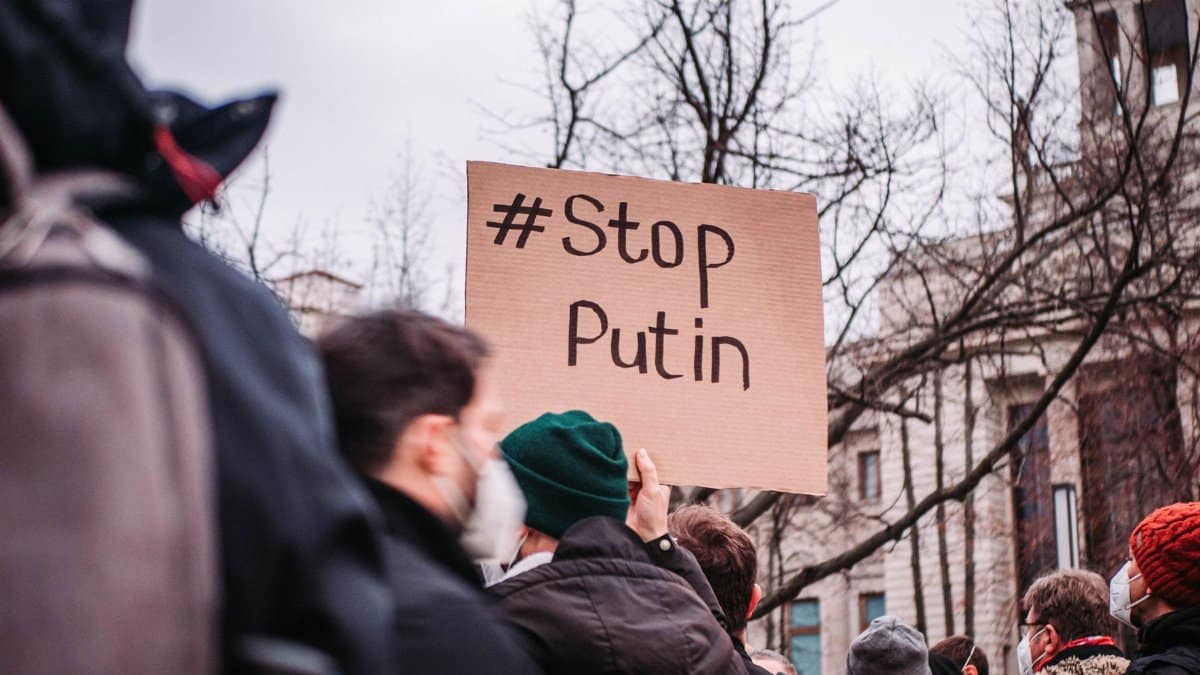
On a humid afternoon when most of Miami was thinking about traffic and the evening forecast, a line from Washington rearranged the city’s place in world politics. Secretary of State Marco Rubio said the United States had extended a Putin Miami G20 invitation, putting the Russian president on the list for a December summit in a city more often associated with cruise terminals and contemporary art than with great power bargaining. The remark was brief. The implications were not. An invitation is not a peace treaty, and it is not absolution. It is a decision to put a contested leader in the same room as the American president and a circle of other heads of government, and to do it on American soil.
A sentence that traveled farther than the speaker intended

Rubio framed the December meeting as an opening for President Trump and other leaders to engage Moscow directly. In diplomatic practice, that kind of sentence does several jobs at once. It signals that Washington is willing to talk. It tells allies that the conversation will not happen only in back channels. It tells Moscow that a seat has been reserved, at least in the American telling of events. And it tells a local audience in Florida that their city is about to host a security operation on a scale most residents have never seen.
Public remarks of this kind are rarely accidental. Cabinet secretaries do not casually place a wartime adversary on a summit guest list. Whether the invitation has been formally delivered, accepted, or still sits in the space between a political statement and a protocol cable is a question reporters will keep asking. What is already clear is the political intent: talks, not isolation, as the preferred next move.
Why a Florida city and not a familiar capital
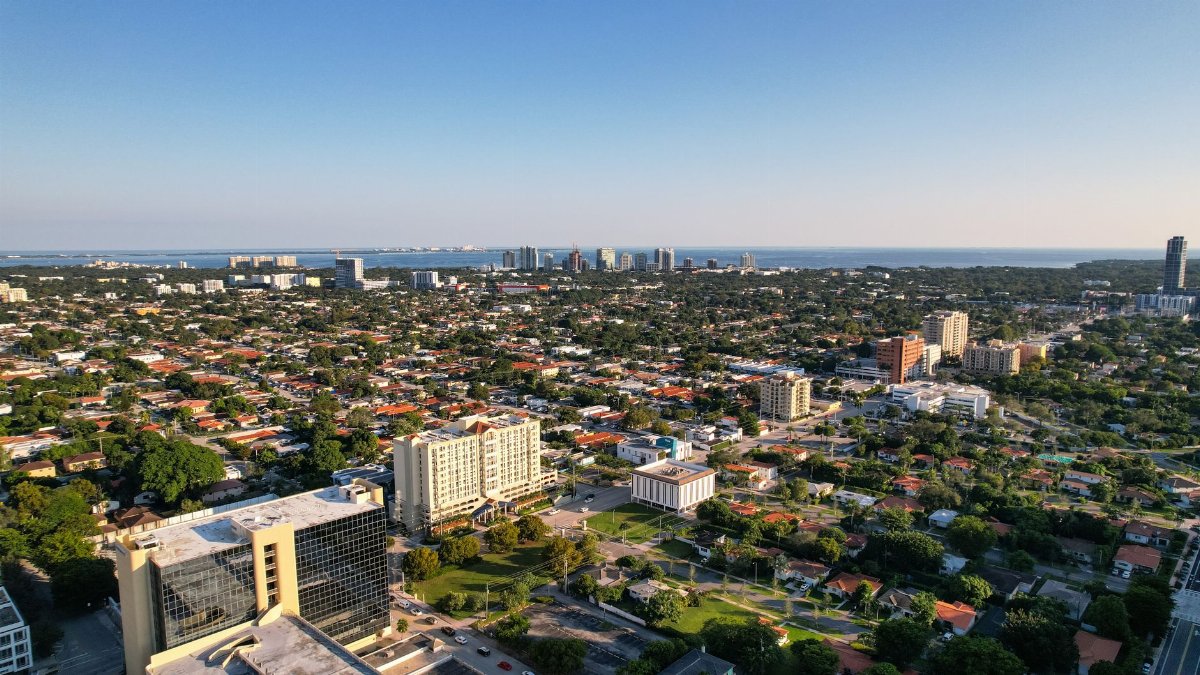
Miami is an unusual stage for this kind of gathering. The G20 has met in capitals and resort towns with long records of summit logistics. Choosing South Florida puts the meeting inside a region shaped by exile politics, Latin American trade, and a large Russian speaking community that is anything but uniform in its view of the Kremlin. For the White House, the setting offers control of the security perimeter and a backdrop that is unmistakably American without being the marble corridor of Washington.
For the city, the calculus is less abstract. Hotels, police overtime, closed streets, and a temporary no fly discipline around key venues come with a bill. Local officials will be asked to explain why a global meeting belongs here, and what residents get in return besides inconvenience. The Miami Herald has already treated the story as a local event with international consequences, which is the right scale. A summit is never only a foreign policy story once the motorcades arrive.
What the G20 is supposed to be
The G20 began as a forum for finance ministers after financial crises made clear that the old club of rich industrial democracies could not manage the world economy alone. Over time it became a leaders summit, a place where presidents and prime ministers argue about growth, debt, climate, and the rules of trade. It was never designed as a court of moral judgment. Membership and guest status have always been political choices dressed up as economic necessity.
That history matters now. Critics will say a wartime leader does not belong at a table built to stabilize markets. Supporters of engagement will say the table is useless if the countries that move energy, grain, and weapons are absent. Both arguments can be true at the same time. The forum’s value has always depended on who is willing to sit still long enough to be disagreed with.
The war that will sit in every chair

No discussion of a Putin Miami G20 invitation can float free of the war in Ukraine. Cities have been shattered. Families have been displaced. Sanctions have rewritten energy markets and forced European governments to rebuild supply lines they once treated as permanent. Any photograph of the Russian president beside Western leaders will be read, fairly or not, as a verdict on whether those costs still shape policy.
Engagement does not require pretending the war is a misunderstanding. It requires deciding which subjects are negotiable and which are not. Prisoner exchanges, grain corridors, nuclear risk, and the future of occupied territory are not the same kind of problem. A summit communique that blurs them will satisfy no one who has paid attention. A summit that refuses to name them will look like theater.
Allies who were not in the room when the sentence was spoken

European governments have spent years building a sanctions architecture and a military aid pipeline. They will want to know whether a Miami meeting is a complement to that effort or a substitute for it. Kyiv will want to know whether its interests are a topic or a bargaining chip. Capitals in Asia, Africa, and Latin America, many of which have refused to treat the war as their organizing principle, will watch for signs that Washington is recentering diplomacy around a bilateral deal.
Rubio’s formulation, that the summit is an opening for Trump and other leaders to engage Moscow, leaves room for a multilateral conversation. It also leaves room for a spectacle in which one relationship dominates the schedule. Partners will judge the event by the meetings that happen off camera as much as by the group photo.
Personal diplomacy and its old temptations

President Trump has long preferred leader to leader contact over the slow machinery of communiques. That preference can break logjams. It can also produce announcements that staff later struggle to translate into policy. A Miami summit will tempt both impulses. The cameras will reward warmth. The permanent interests of states will not.
History offers a caution without offering a script. Summits have ended wars and they have ratified illusions. The difference usually appears months later, in whether forces move, whether sanctions change, and whether promises survive contact with domestic politics on every side. A handshake in December is a data point. It is not a settlement.
Security, protest, and the street outside the hotel
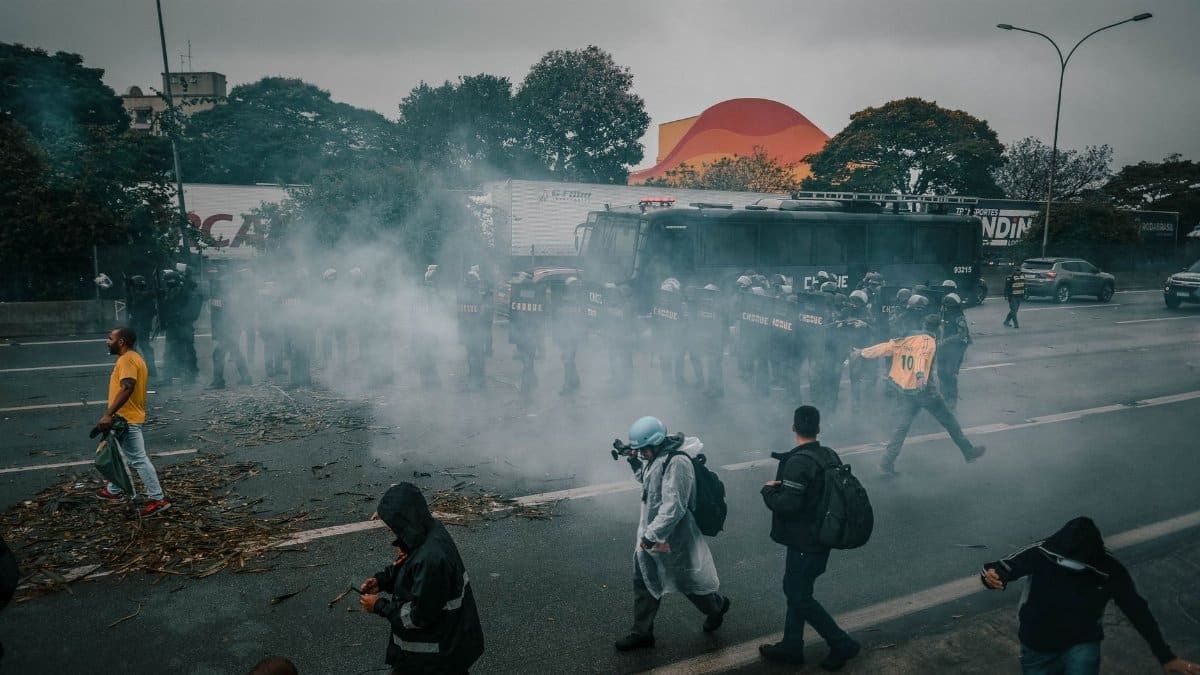
If the Putin Miami G20 invitation becomes a confirmed visit, Miami will have to host more than delegates. Secret Service planning, Coast Guard patrols, and local police mutual aid are the visible layer. The less visible layer is intelligence sharing about people who might try to disrupt the event, and about people who have a legal right to protest it.
That second group will be large. Ukrainian Americans, Russian dissidents, and ordinary residents who object to the guest list will want streets, permits, and sightlines. A city that handles this well will be remembered for competence. A city that treats dissent as a nuisance will hand critics a second story, one about American habits rather than Russian ones. The first story is already hard enough.
An invitation is not a verdict

Protocol language is easy to overread. An invitation can be a tool to test whether Moscow wants a bargain or only a stage. It can be withdrawn, narrowed, or paired with conditions that never appear in the first headline. It can also harden into a plan that is politically costly to reverse. Readers should watch the verbs. “Invited” is not “arrived.” “Opening” is not “agreement.”
Rubio’s comments, as reported, describe a choice to engage. They do not describe the terms. Those terms, if they exist on paper, will matter more than the skyline behind the podium. Until they surface, commentary that treats the summit as either salvation or surrender is ahead of the evidence.
Markets, grain, and the quiet audience

Beyond the political class, a quieter audience will track the same headlines. Grain traders, insurers, and energy buyers have learned to price diplomatic calendars. A meeting that lowers the chance of escalation can move freight rates even if it produces no treaty. A meeting that collapses in public acrimony can do the opposite. The G20’s original subject, the stability of the global economy, has not gone away because the agenda is now crowded with war.
That is one reason finance ministries will send serious people even if foreign ministries are wary. Debt, currency stress, and shipping risk do not pause for protocol disputes. A useful summit would give those officials something more durable than a photo. A symbolic one will still move markets for a day, and then the war will set the price again.
Moral language without moral theater
Some readers will look for a spiritual frame, a question about whether speaking to an adversary is a form of witness or a form of compromise. The tradition that treats enemies as still human does not require treating their policies as acceptable. It requires refusing the comfort of silence when silence has costs, and refusing the comfort of proximity when proximity is mistaken for peace.
That is a hard standard for politicians, who are rewarded for clarity and punished for sequence. Sequence is what diplomacy is. You talk, you test, you verify, you stop if the other side is performing. Congregations and comment sections often want the last step first. Governments that skip to it usually discover they have neither peace nor principle.
What reporters should ask before December

The useful questions are concrete. Has a formal invitation been delivered, and by whom? Has Moscow accepted, declined, or answered with conditions? Which other leaders have confirmed travel? Will Ukraine have a voice in the room or only a briefing afterward? What subjects are on the agenda, and which are explicitly off it? What security plan has the city approved, and who pays?
Those questions will not fit in a single cable hit. They are the difference between a political announcement and an event the public can evaluate. The Miami Herald’s reporting is a starting place for the local half of that inquiry. Wire services and foreign desks will have to supply the rest. Readers should be suspicious of any account that offers certainty about an outcome still weeks away.
The city as a temporary capital
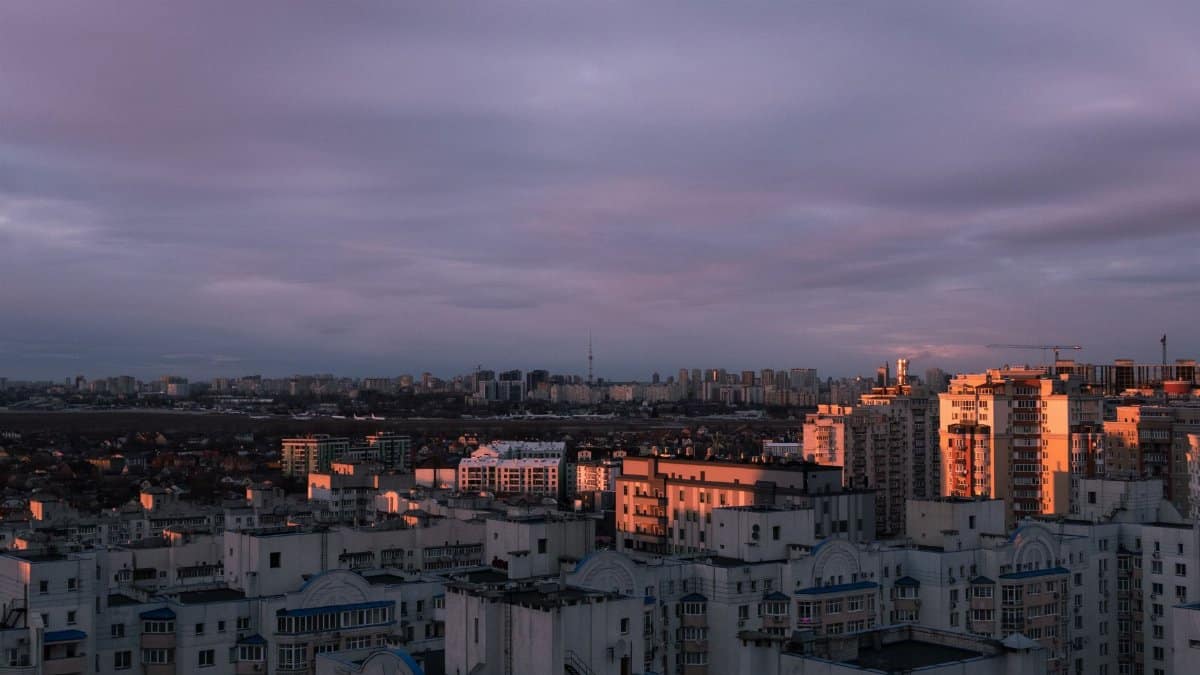
For a few days in December, if the plan holds, Miami will function as a temporary capital of a fractured international system. Delegations will complain about humidity and motorcades. Residents will complain about both, with more justification. The Putin Miami G20 invitation will be debated in diners and group chats long after the motorcades leave, because it forces a choice people would rather outsource to experts: when is talking a duty, and when is it a reward?
No op ed can settle that. It can insist on distinctions. Engagement is not endorsement. A seat at a table is not a erased record. A Florida summit is not a European security order. Rubio has described an opening. The rest of the story depends on who walks through it, what they are willing to say in front of witnesses, and whether anything they say survives the flight home.
A closing measure of seriousness
Seriousness, in this case, will look unspectacular. It will look like agendas published in advance, allies consulted rather than informed, and claims that can be checked against troop movements and trade data a month later. It will not look like a slogan about strength or a slogan about peace. Both slogans are cheap. Verification is not.
If the December meeting happens, the fairest early judgment will be narrow. Did the Putin Miami G20 invitation produce a conversation that other channels could not? Did it change any fact on the ground, or only the photographs? Miami can host the room. It cannot supply the answers. Those still belong to governments that have spent years saying they want a different war, or an end to this one, and have not yet shown the terms on which either is available.