
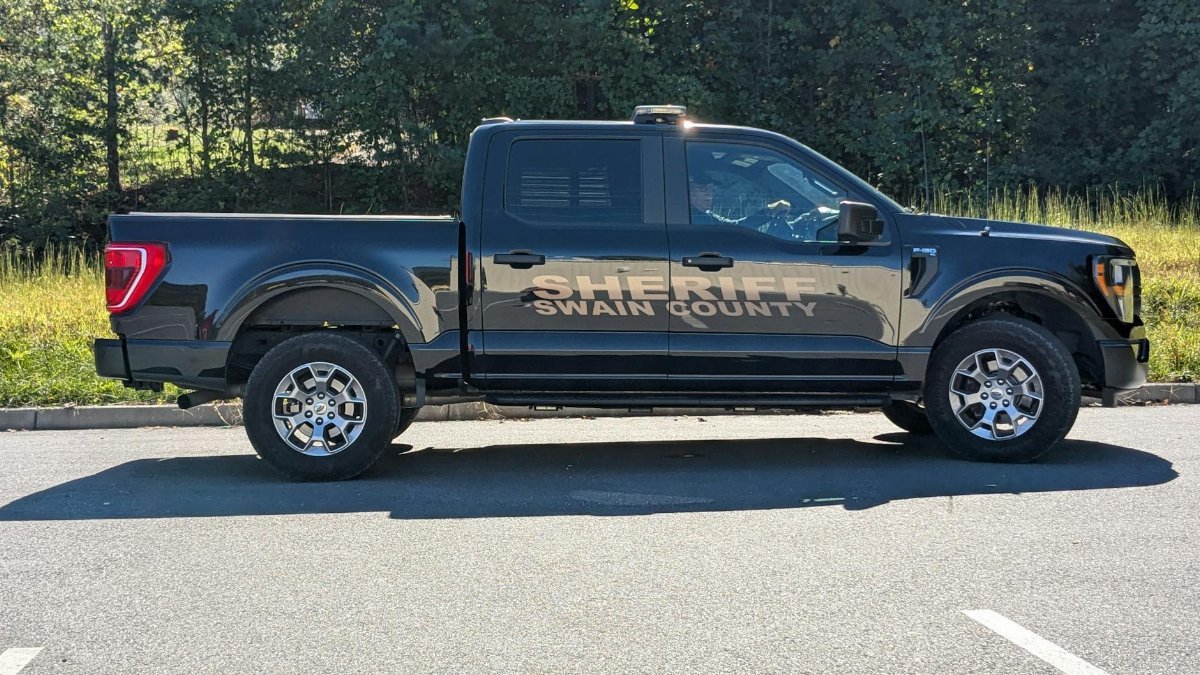
In the sweltering heat of Riverside County’s Inland Empire, Sheriff Chad Bianco stepped to a podium last week and delivered a line that rippled through local politics: his office would suspend its high-profile investigation into alleged voter irregularities. What began as a probe into “riverside sheriff election fraud” claims—sparked by 2020 election skepticism—now faces a cascade of lawsuits accusing it of overreach and intimidation. Bianco, a vocal critic of election processes, framed the halt as a pragmatic move amid legal pressures, but critics see it as an admission of shaky ground. As court battles loom, the episode underscores tensions between law enforcement and democratic safeguards in one of California’s most populous counties.
Roots in Post-Election Distrust
The story traces back to November 2020, when Bianco, then freshly elected, fielded a flood of complaints from constituents questioning ballot handling in Riverside County. Voters reported anomalies like mismatched signatures and delayed mail-in ballots, fueling narratives of widespread misconduct. Bianco launched his task force in early 2021, vowing to root out fraud without specifying criminal charges. By 2022, the effort had ballooned, with deputies reviewing thousands of records from the county registrar. Supporters hailed it as a bulwark against erosion of trust; detractors called it a partisan witch hunt, especially given Bianco’s Republican affiliations in a purple region.
Local election officials, caught in the crossfire, defended their processes. Riverside County’s registrar, Rebecca Spencer, issued statements affirming the integrity of the 2020 count, certified multiple times under state scrutiny. Yet Bianco persisted, citing specific cases—like a batch of 1,200 ballots allegedly mishandled—that his office flagged for deeper review. This phase of the riverside sheriff election fraud inquiry drew national attention, with conservative media amplifying the findings.
Bianco’s Public Crusade

Sheriff Bianco positioned himself as a truth-teller, frequently addressing rallies and podcasts. “We’re not here to play politics; we’re here to protect the vote,” he declared at a 2023 town hall, per footage from local outlets. His rhetoric resonated with a base wary of urban voting trends, but it also invited scrutiny. The probe uncovered procedural lapses, such as untracked drop boxes, yet stopped short of proving systemic fraud. Bianco’s team interviewed over 500 witnesses and subpoenaed registrar data, actions that strained inter-agency relations.
One pivotal moment came in mid-2024, when the sheriff’s office released a preliminary report highlighting “irregularities in 4 percent of sampled precincts.” While not declaring outright fraud, the document reignited debates. Civil rights groups pounced, filing complaints with the California Secretary of State, arguing the probe chilled voter participation among minorities, who turn out in force in Riverside’s diverse communities.
Surge of Legal Challenges
The suspension stems from a trio of lawsuits filed since January. The American Civil Liberties Union of Southern California leads one, alleging Bianco’s deputies violated privacy laws by accessing voter rolls without warrants. Another suit, from a coalition of Democratic activists, claims defamation after being labeled “suspects” in public releases. A third, from Spencer herself, seeks to quash subpoenas as an unconstitutional overreach.
Federal courts have taken notice. U.S. District Judge Dolly Gee, in a March ruling, temporarily blocked further data seizures, citing First Amendment concerns over voter intimidation. “Law enforcement cannot substitute for judicial oversight in election disputes,” she wrote. These cases pile on state-level probes, including a California Attorney General review initiated last fall. For deeper context, see the original reporting from the Los Angeles Times.
Arguments from the Sheriff’s Defense

Bianco’s legal team counters that the probe operates under broad sheriff authority to investigate public complaints. In court filings, they cite California Penal Code sections empowering sheriffs to probe election code violations. “No one is above scrutiny when public trust is at stake,” their brief argues. They point to prior convictions for ballot tampering in other counties as precedent, insisting riverside sheriff election fraud suspicions warranted action.
Yet momentum shifted with discovery phases revealing internal memos questioning the probe’s evidence strength. One leaked email from a deputy noted, “Correlations do not equal causation; we risk credibility.” This fueled perceptions of political motivation, especially as Bianco eyes higher office amid California’s recall politics.
Political Fault Lines Exposed
Riverside County, home to 2.5 million residents spanning suburbs to deserts, embodies California’s divides. Bianco won re-election in 2022 by touting the probe, capturing 58 percent in a low-turnout race. Democrats, holding the registrar’s office, decry it as voter suppression redux. State Senator Kelly Seyarto, a Republican ally, backs Bianco, while Assemblymember Eloise Gómez Reyes calls for his resignation.
The episode mirrors national rifts, echoing Arizona’s audit saga. Polling from UC Riverside’s survey center shows 42 percent of locals believe 2020 fraud occurred here, versus 55 percent statewide skepticism—a partisan gap that explains the probe’s endurance until now.
Community Echoes and Voter Chill
Residents feel the strain. In Moreno Valley precincts, turnout dipped 3 percent in 2024 primaries, per registrar data, with some attributing hesitancy to sheriff scrutiny. Community leaders in Latino-heavy Eastvale report unease: “People fear signing petitions now,” says organizer Maria Lopez. Conversely, conservative enclaves like Temecula praise Bianco’s vigilance.
Faith-based groups, active in Riverside’s evangelical circles, have weighed in. Pastors from the local Spiritual News network urged prayer for “election righteousness,” blending the probe with moral imperatives—a nod to the story’s resonance in spiritual trend circles.
What the Suspension Signals

Bianco’s March 28 announcement pauses all active inquiries, redirecting resources to “core policing.” Deputies will preserve files for potential handover to state authorities. “Legal hurdles demand this step,” he said, avoiding concession. The move averts contempt findings but leaves unresolved complaints languishing.
Experts predict ripple effects. Election law professor Rick Hasen of UC Irvine notes, “Sheriffs lack prosecutorial power; this highlights boundaries.” A Brennan Center analysis details similar overreaches nationwide, warning of precedent.
Path Forward for Riverside Elections
Registrar Spencer pledges enhanced transparency: live-streamed counts and blockchain pilots for 2026. Bianco hints at legislative pushes for sheriff-led audits, potentially teeing up ballot measures. State oversight may expand, with Attorney General Rob Bonta signaling readiness.
Locals watch warily. “We need facts, not feuds,” says retiree Tom Hargrove, a probe complainant. As midsummer primaries approach, Riverside tests whether suspension heals or hardens divides.
National Lessons from a Local Saga
This riverside sheriff election fraud chapter spotlights vulnerabilities in decentralized U.S. elections. With 3,000 jurisdictions, sheriffs wield outsized influence in rural strongholds. Bianco’s retreat may embolden watchdogs elsewhere, from Georgia to Michigan.
Ultimately, it reaffirms courts as final arbiters. As Judge Gee’s order stands, Riverside pivots from confrontation to reform, a microcosm of democracy’s enduring tensions. For middle-aged voters navigating these waters, the message is clear: vigilance endures, but within legal lanes.