
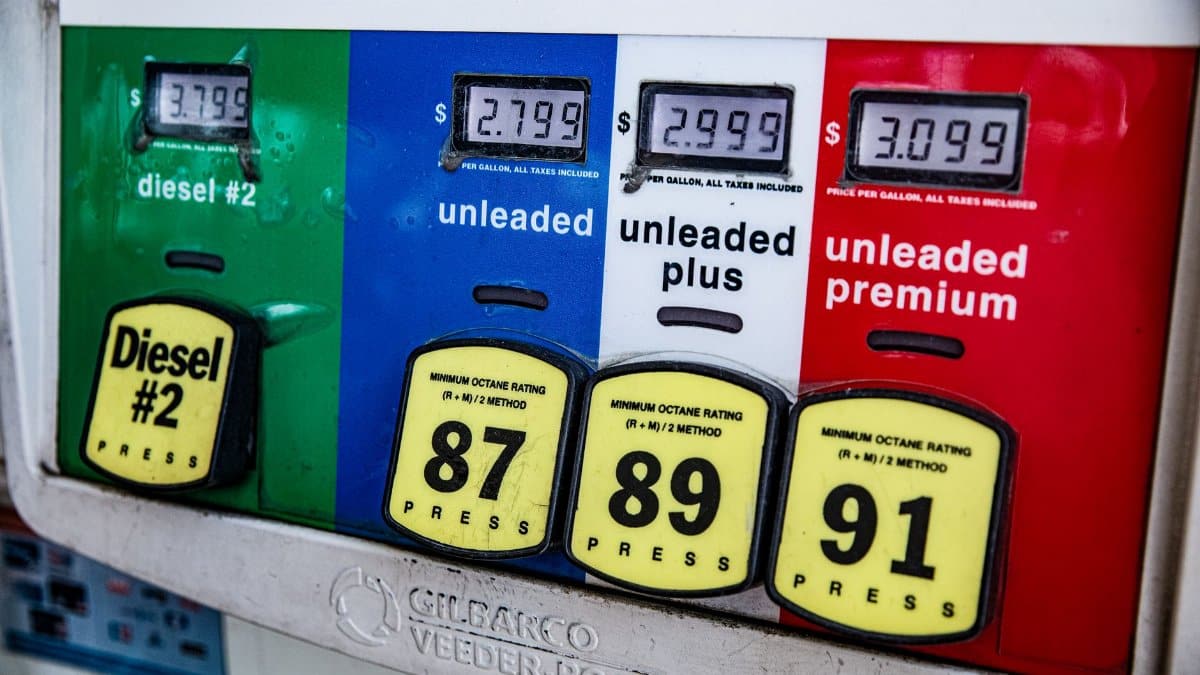
Drivers in the Detroit suburbs and rural stretches of the Upper Peninsula alike have started to notice a familiar pressure building at fuel stations. Recent shifts in global crude markets are setting the stage for michigan gas prices oil increase over the next several weeks, according to regional analysts tracking supply chains. Families planning summer road trips now face harder choices about how far they can travel without stretching monthly budgets. The trend echoes past episodes when distant geopolitical events quickly reached American pumps, yet this round carries added weight from lingering refinery constraints and seasonal demand spikes. Local station owners report steady inquiries from customers seeking ways to limit fill ups. Broader economic ripples could touch everything from grocery delivery fees to commuting costs for factory workers.
Global Crude Market Pressures at Play

Supply disruptions in key producing regions have tightened available barrels on world markets. Traders note that output cuts from major exporters coincide with steady consumption in Asia and Europe. These conditions lift benchmark prices that feed directly into what refiners pay for feedstock. Michigan terminals receive product through pipelines and lake tankers, so any rise in acquisition costs moves quickly to wholesale racks. Observers point to weather related delays at Gulf Coast facilities as another contributor that limits overall flow. The combination leaves less room for price relief in the months ahead.
Regional Refining and Distribution Realities
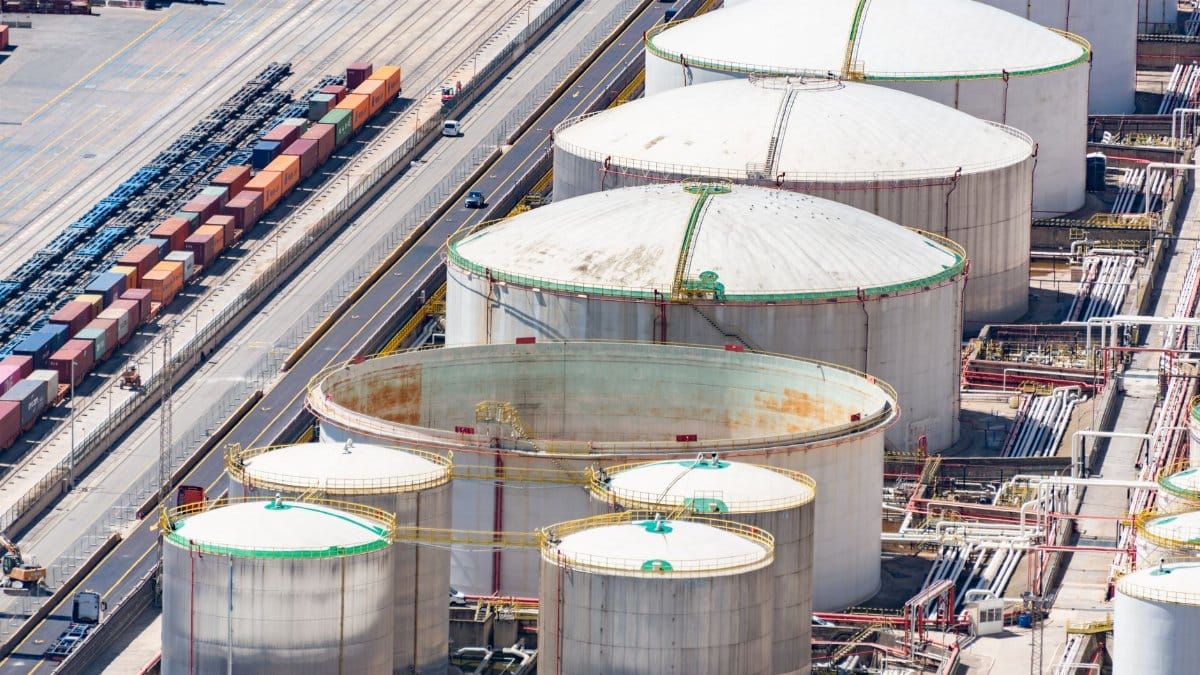
Midwest refineries operate near capacity during peak driving season. Maintenance schedules have been compressed, leaving fewer opportunities for unplanned outages. Once crude reaches processing plants, finished gasoline travels via the Wolverine pipeline and truck networks to retail outlets. Each link adds a layer of cost sensitivity. Terminal operators in the Detroit area describe inventories that remain adequate but not abundant enough to buffer sudden wholesale jumps. This setup means retail adjustments tend to follow crude movements with only a short lag.
Impact on Daily Commuters and Households
Workers who drive long distances to plants in Lansing or Grand Rapids feel the change first. A weekly fill up that once cost forty dollars now trends toward fifty or more, trimming discretionary spending on meals or entertainment. Parents coordinating school carpools weigh whether to combine trips or seek public transit alternatives where available. Fixed income residents in smaller towns express concern that higher transport expenses will crowd out other necessities such as prescription refills. Community food banks report early signs that delivery surcharges are rising in tandem.
Small Business Adjustments Underway

Delivery fleets serving restaurants and retail shops recalculate route economics. Some managers test consolidated shipments or adjust order frequencies to reduce mileage. Construction crews moving equipment between job sites track fuel receipts more closely when bidding new projects. Taxi and ride share drivers in urban centers pass along incremental fees to riders during peak hours. These adaptations occur quietly yet accumulate across the service economy that supports daily life in Michigan cities and villages alike.
Policy Discussions at State Level

Lawmakers in Lansing review existing tax structures tied to fuel sales. Proposals surface for temporary relief measures aimed at easing burdens on lower income drivers. Transportation officials examine whether accelerated public transit investments could offer viable substitutes for some private vehicle trips. Discussions also touch on incentives for fleet conversions that lower long run dependence on gasoline. Any measures would require balancing revenue needs for road maintenance against immediate household pressures.
Consumer Strategies Emerging

Many households experiment with combining errands into single outings. Others explore carpool arrangements through workplace networks or neighborhood apps. Vehicle maintenance receives renewed attention, since properly tuned engines and correct tire pressure improve efficiency without additional purchases. Some drivers time fill ups for midweek when station traffic is lighter and posted prices sometimes dip. These practical steps spread through word of mouth and social media groups focused on local savings.
Broader Economic Ripple Effects

Trucking rates for agricultural goods and manufactured parts adjust upward when carriers face sustained fuel costs. Retail shelves could see gradual price movements on items that travel long distances before reaching stores. Tourism operators in northern resort areas monitor booking patterns for signs that visitors shorten trips or choose closer destinations. The cumulative influence touches sectors far removed from the pump itself yet connected through supply and logistics chains.
Looking Ahead to Market Stabilization

Analysts project that current pressures may ease if global production ramps up later this year. Seasonal demand typically declines after Labor Day, opening a window for inventory rebuilding. Michigan motorists will continue to watch weekly reports from the Energy Information Administration for signals of relief. In the meantime, steady monitoring of crude benchmarks remains the most reliable guide to what drivers can expect at local stations. The situation underscores how interconnected energy markets shape everyday routines across the state.