
Who blinks first? On February 8, 2026, “relationship chicken” emerged as public enemy number one in dating. This texting standoff—where partners deliberately wait hours to reply—pits resolve against desire. It’s a high-tension game testing who caves first. Experts now label it the most toxic dating habit of 2026, a control tactic disguised as strategy. As smartphones dominate U.S. romance, this silent battle erodes trust from the first ping.
Breaking Down Relationship Chicken
Relationship chicken boils down to delayed responses. Daters hold off texting back, sometimes for hours, to gauge interest or assert dominance. The summary from February 8 captures it perfectly: “Who blinks first?” It’s not casual oversight. It’s calculated. In the U.S., where 80-hour workweeks and endless notifications define life, this habit amplifies anxiety. The game thrives on uncertainty, turning simple check-ins into power plays.
The Mechanics of the Wait

Picture a message sent at 7 p.m. No reply by 10 p.m. Then midnight passes. By morning, the sender stares at their phone, second-guessing everything. That’s relationship chicken in action. Wait times stretch deliberately, mimicking the childhood game of chicken where cars speed toward collision until one swerves. Here, the “crash” is vulnerability—texting first means losing. This February declaration spotlights how routine it has become in 2026 dating pools.
Why the Chicken Label Fits

The term draws straight from the daredevil game. Drivers hurtle forward, betting the other yields. In romance, texters do the same digitally. No collision, just emotional brinkmanship. The 2026 label as top toxic habit underscores its danger. It weaponizes silence, common in app-driven U.S. dating. Pew Research on online dating highlights how digital tools intensify such tensions, with many Americans reporting frustration over inconsistent communication.
Toxicity Rooted in Control

Waiting to text first screams control tactic. It flips mutual interest into a contest. The player who responds quickest “loses,” handing power to the stonewaller. February 8’s announcement nails it: most toxic of 2026. This erodes authenticity. U.S. daters, juggling Bumble swipes and work Slack, fall into it easily. It’s not playfulness—it’s manipulation, breeding resentment from day one.
Signs It’s Taking Over Your Dates
Spot relationship chicken by the patterns. Hours between replies despite online status. Excuses like “busy day” after mutual late-night scrolls. Over-analysis of read receipts. In 2026, this defines toxic dating, per the key report. It signals deeper issues: insecurity masked as coolness. American singles, per trends, increasingly navigate this, turning potential sparks into standoffs.
Emotional Toll on Players

The wait gnaws. Senders obsess, questioning worth. Responders feel smug, then isolated. Relationship chicken fosters distrust, the opposite of healthy bonds. As 2026’s worst habit, it amplifies isolation in a connected world. U.S. mental health data ties poor communication to stress—echoed here. APA resources on relationships stress clear contact’s role in well-being, underscoring why this game poisons early stages.
2026 Context: Peak Digital Dating Drama
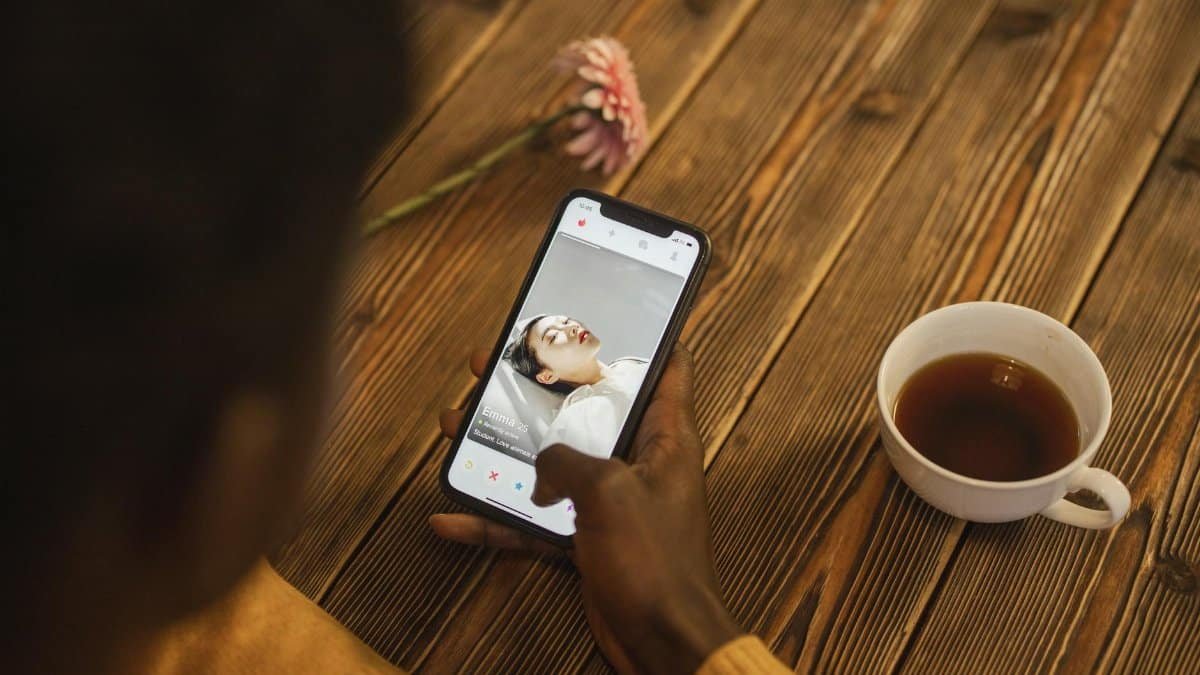
Why now? Smartphones rule U.S. romance. Apps like Tinder push volume over depth, priming chicken games. February 8 marks the official call-out: top toxic habit amid rising singles fatigue. Daters report burnout from endless matches, none real. This texting ploy fits perfectly, demanding endurance over engagement. It’s 2026’s symptom of swipe-right overload.
Shifting Away from the Standoff
Awareness is step one. The 2026 designation urges daters to text promptly, sans games. Reply fosters connection; delay breeds doubt. U.S. trends show youth prioritizing mental health, potentially ditching chicken. February’s wake-up spotlights healthier norms: vulnerability over victory. As the most toxic label sticks, expect pushback in dating discourse.
This February 8 revelation reframes texting etiquette. Relationship chicken may dominate 2026 headlines, but recognizing it empowers change. Daters, blink first—authentically.