

In the dim light of a Riverside County election warehouse last month, sheriff’s deputies rolled up in unmarked vans, their search warrant in hand, and carted away boxes of ballots amid protests from election officials. The riverside sheriff seized ballots action, led by Sheriff Chad Bianco, was meant to probe allegations of fraud in the November election. But what began as a local enforcement effort has ballooned into a constitutional showdown, with lawsuits flying and experts questioning the boundaries of law enforcement in democracy’s most sacred process. As courts grapple with the fallout, voters wonder: Does safeguarding elections justify such intrusion, or has the line between protection and overreach been crossed?
The Raid That Shook Riverside County
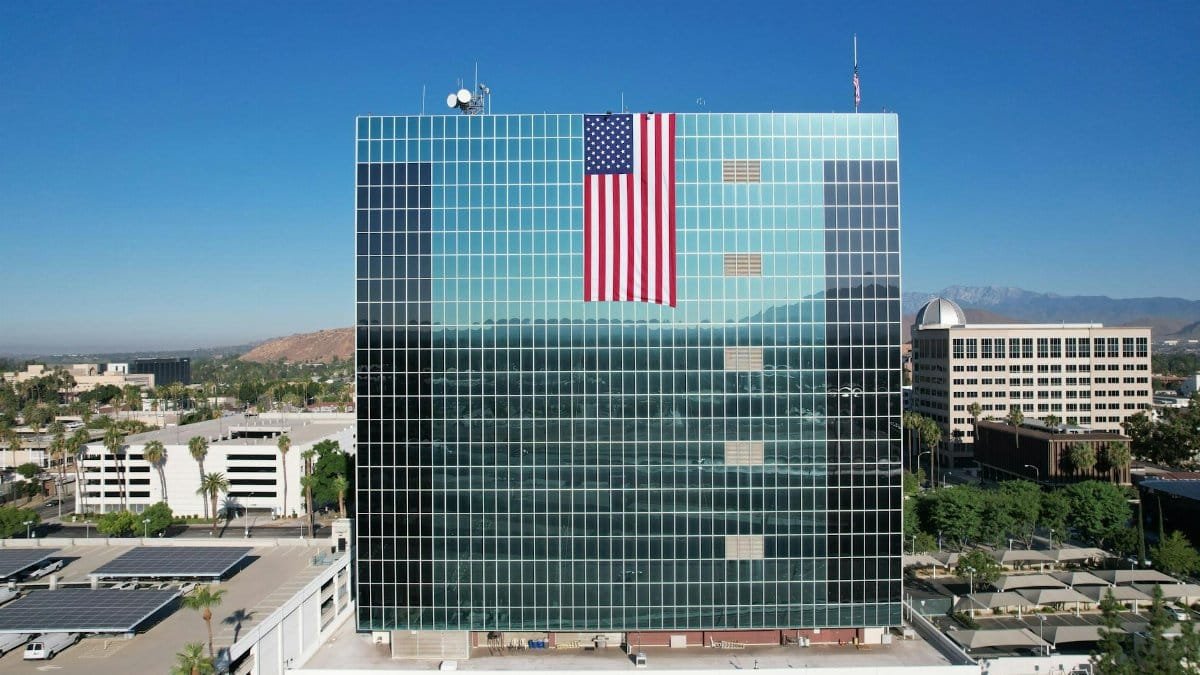
The operation unfolded swiftly on March 15. Deputies from the Riverside County Sheriff’s Department arrived at the county’s ballot processing facility in Norco, citing a judge-approved warrant based on tips of irregularities in mail-in ballots. Witnesses described a tense scene: election workers scrambling to secure documents as armored vehicles blocked exits. Sheriff Bianco later defended the move in a press conference, pointing to discrepancies in voter rolls and chain-of-custody logs. “We had probable cause,” he said. “Ignoring it would be dereliction of duty.” This riverside sheriff seized ballots episode echoes post-2020 election tensions but marks one of the first instances where a sheriff directly intervened in a certified count.
Bianco’s Backstory and Motivations

Chad Bianco, a Republican elected in 2018, has positioned himself as a staunch defender of election integrity since the Trump era. A former Marine and longtime deputy, he campaigned on tough-on-crime platforms and has clashed with state officials over COVID mandates and immigration. Critics label him a partisan firebrand, noting his endorsements from Trump allies. Supporters see a principled officer upholding oaths to the Constitution. The seizure stemmed from affidavits by poll watchers claiming duplicated votes and unsecured drop boxes, though county officials dismissed them as baseless. Bianco’s office released bodycam footage showing orderly execution, but the optics fueled accusations of theater over substance.
Immediate Legal Pushback
Within hours, Riverside County’s registrar of voters filed an emergency injunction in Riverside Superior Court, arguing the seizure violated state election code and risked disenfranchising thousands. Judge Elena Ramirez granted a temporary restraining order, halting further analysis of the ballots pending review. The California Secretary of State’s office weighed in, calling it “an unprecedented assault on electoral autonomy.” Plaintiffs contend the warrant was overly broad, authorizing seizure of all ballots rather than specific evidence. Defense attorneys for the sheriff counter that time-sensitive evidence necessitated the sweep.
Constitutional Fault Lines Emerge
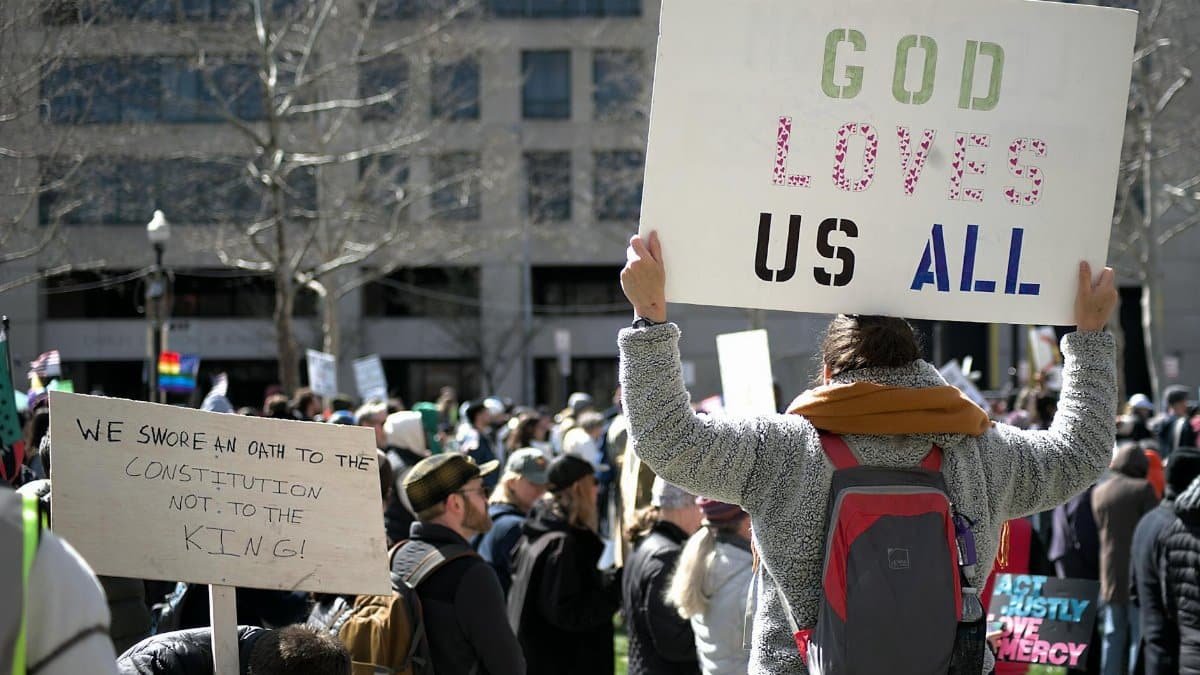
At the heart of the dispute lie Fourth Amendment protections against unreasonable searches. Legal scholars like UC Berkeley’s Erwin Chemerinsky argue the warrant lacked particularity, potentially tainting thousands of legitimate votes. “Election materials aren’t ordinary evidence,” Chemerinsky wrote in a recent op-ed. On due process grounds, opponents invoke Article I’s guarantee of republican government, warning of a chilling effect on voter turnout. Proponents invoke states’ rights under the Tenth Amendment, insisting sheriffs retain common-law authority over local polls.
Expert Voices Weigh In
Election law professors are divided. Rick Hasen of UC Irvine calls the riverside sheriff seized ballots incident “a dangerous precedent,” predicting it could embolden copycats nationwide. In contrast, Heritage Foundation’s Hans von Spakovsky praises Bianco for “finally enforcing accountability.” A Brennan Center report from last year documented 17 similar probes since 2020, none resulting in overturned results. Polling by Pepperdine University shows 42 percent of Riverside voters support the sheriff, versus 51 percent opposing, highlighting partisan rifts.
Precedents from Past Election Disputes
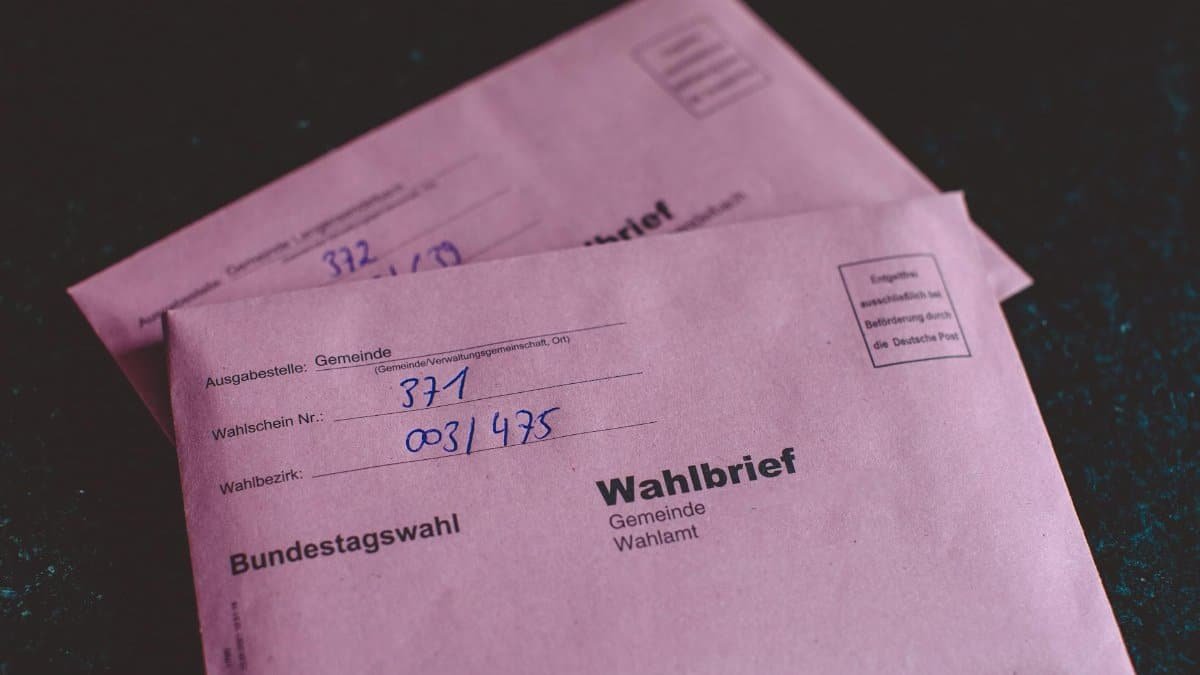
Courts have navigated similar waters before. In 2000’s Bush v. Gore, the Supreme Court halted Florida recounts on equal protection grounds. More recently, Georgia’s 2020 audits withstood challenges, but a Michigan sheriff’s ballot review in 2022 was quashed for lacking judicial oversight. The Riverside case draws parallels to Arizona’s “cyber ninjas” audit, ruled unlawful by Maricopa County judges. Yet federal courts have deferred to sheriffs in fraud probes, as in a 2024 Texas ruling upholding a warrant for drop-box footage. These precedents suggest Riverside’s fate hinges on warrant specificity.
Impact on Voter Confidence

Beyond courtrooms, the seizure erodes trust. A Pew survey post-incident found California’s voter confidence dipping to 68 percent, down from 75 last fall. In Riverside, Latino and young voters express heightened skepticism, fearing targeted suppression. Community leaders like Riverside NAACP president Marcus Johnson decry it as “vigilante justice dressed in uniform.” Meanwhile, conservative groups rally behind Bianco, launching petitions for federal probes.
State Versus Local Authority Clash

California’s election code centralizes control with the secretary of state, but sheriffs operate under county charters granting broad policing powers. Assembly Bill 21, vetoed last year, sought to curb such interventions, but Governor Newsom cited overreach concerns. The riverside sheriff seized ballots saga exposes this tension, with Attorney General Rob Bonta now investigating Bianco for potential misconduct. Legislative fixes loom, perhaps mandating dual oversight for future warrants.
Broader National Ramifications

If courts side with the sheriff, it could cascade. Twenty-two states with empowered sheriffs might see copycat actions, per the National Conference of State Legislatures. Democrats warn of a patchwork democracy; Republicans of unchecked bureaucracies. The U.S. Election Assistance Commission urges standardized protocols, but partisan gridlock stalls progress. Riverside’s outcome may redefine the sheriff’s role in an era of polarized polls.
Moral and Ethical Dimensions
In a category often overlooked amid legal briefs, the episode probes deeper questions of stewardship. For many in Riverside’s faith communities, election integrity ties to biblical calls for truthful scales and just weights. Pastors like Rev. Maria Gonzalez of Riverside’s Unity Church frame Bianco’s actions as a moral imperative against perceived corruption, while others invoke Romans 13’s submission to authorities—unless they stray. This spiritual lens underscores why the riverside sheriff seized ballots resonates beyond partisanship, touching America’s covenant with self-governance.
Path Forward in the Courts

A hearing is set for April 20 in Riverside Superior Court, with appeals likely reaching the Ninth Circuit. Key issues: Was probable cause adequately shown? Did the seizure irreparably harm the electoral process? Amicus briefs from the ACLU and state GOP signal high stakes. Observers predict a narrow ruling favoring return of ballots, but with guidelines for future audits.
Lessons for Democracy’s Guardians

The riverside sheriff seized ballots controversy reminds us that democracy thrives on checks, not unchecked zeal. Sheriffs like Bianco embody local accountability, yet blind spots abound. Reforms—clearer warrant standards, bipartisan oversight—could bridge divides. Until then, Riverside stands as a cautionary tale: In pursuing truth, we must not shatter the vessel that holds it.
By Natasha Weber