

“Quiet quitting” has invaded the world of parenting. Exhausted moms and dads are now embracing the bare minimum approach to family life, ditching elaborate extras just to get by. No more Pinterest-perfect parties. No additional volunteer hours. This shift, hitting U.S. households hard in 2026, signals deep burnout among parents committing only to survival essentials.
Defining Quiet Quitting Parenting

Quiet quitting parenting mirrors the workplace trend where employees do just enough to avoid trouble. Here, it means parents scale back beyond core duties. They skip time-intensive traditions and community add-ons. The goal: preserve sanity amid relentless demands. This bare-minimum mindset emerged as a response to overwhelming expectations, allowing families to function without collapse.
Roots in Parental Burnout

Burnout drives this phenomenon. Constant pressure from school events, home projects, and social standards wears parents down. Moms and dads report exhaustion from juggling jobs, chores, and kid activities. In 2026, this fatigue peaks, pushing many to quiet quit. Survival becomes the priority, not perfection. The approach lets parents recharge while still meeting basic needs like meals and bedtime routines.
No More Pinterest Parties

Pinterest parties represent the height of parental overachievement. Think themed decorations, custom cakes, and Instagram-worthy setups. These events demand hours of planning and shopping. Quiet quitting parents say no. They opt for simple gatherings—store-bought cake, basic games. This rejection frees up time and cuts stress. Families still celebrate, but without the exhaustion of elaborate productions.
Ditching Volunteer Shifts

Volunteer shifts at schools or sports teams add unpaid labor to packed schedules. Baking cookies for class, manning concession stands, or organizing fundraisers pile on. Burnt-out parents now pass. They fulfill mandatory obligations if any, but extras? Off the table. This bare-minimum stance reclaims evenings and weekends for rest. Schools feel the pinch, but parents prioritize health.
The quiet quitting trend draws from workplace quiet quitting, where workers set boundaries post-pandemic. A Gallup analysis highlighted how employees disengaged from unpaid extras, a model now applied at home.
The Bare Minimum Breakdown

What does bare minimum look like? Daily essentials: nutritious meals, clean clothes, safe transport to school. Homework help when needed, but no crafting elaborate science projects. Bedtimes enforced, stories read, but no themed dress-up nights. Parents enforce rules without becoming event planners. This stripped-down routine sustains family operations amid burnout.
Survival Over Perfection

Survival defines quiet quitting parenting. Burnt-out moms and dads view it as self-preservation. Without boundaries, resentment builds. By committing only to necessities, they avoid total breakdown. Kids adapt, learning realism over fantasy. Families report stronger bonds from less frenzy. In 2026 U.S. trends, this shift underscores a cultural pivot toward sustainable parenting.
Challenges of the Shift

Not all smooth sailing. Guilt lingers for some—societal norms praise super-parents. Peers may judge the scaled-back involvement. Yet proponents argue long-term gains outweigh short-term awkwardness. Bare minimum prevents deeper crises like parental mental health declines. Studies on caregiver stress reinforce this, showing unchecked burnout leads to higher family strain.
Parental burnout mirrors broader mental health pressures. Research from the American Psychological Association details how pandemic-era demands amplified exhaustion, trends persisting into 2026.
Impact on Kids and Schools
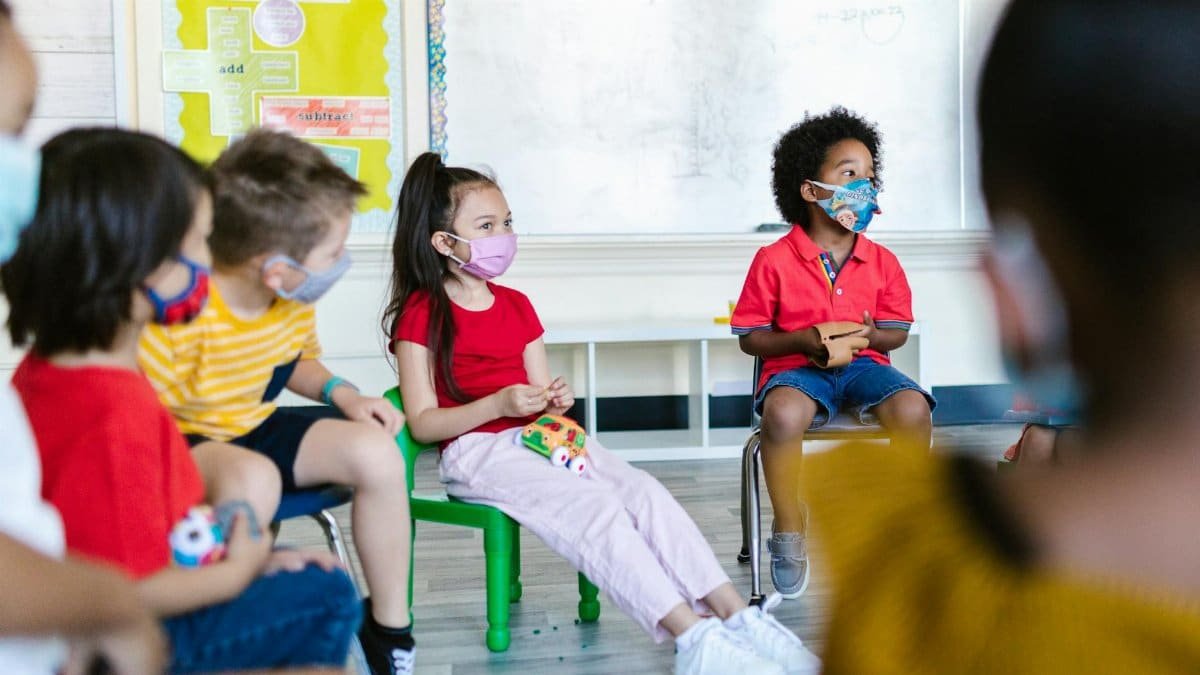
Kids experience mixed effects. Less glamour in parties means more focus on presence. Volunteer gaps force schools to adapt, perhaps hiring more staff or relying on core volunteers. Communities discuss the change openly. Quiet quitting parenting sparks debates on realistic expectations. It challenges the hustle culture ingrained in U.S. family life.
Broader Cultural Echoes

This parenting pivot echoes 2026’s boundary-setting ethos. From offices to homes, bare minimum gains traction. Parents model healthy limits for children, teaching balance over burnout. As January 30 reports highlight, the movement grows. Moms and dads commit to survival, reshaping daily rhythms. Quiet quitting parenting proves endurance trumps excess.
Experts note this trend aligns with rising awareness of work-life bleed. U.S. families, hit by economic and post-pandemic strains, embrace it widely. No frills, just function— a quiet revolution in raising the next generation.