

In a fast-paced world where mornings often blur into chaos, a simple ritual is gaining traction among busy Americans. New data shows 35% of U.S. adults are now weaving mindfulness into their daily starts, according to a recent Pew Research Center survey. Enter gratitude sip coffee, a quick practice that transforms your first cup into a moment of appreciation. By pausing to smell, acknowledge the source, and sip mindfully, people report feeling more grounded. This isn’t just fluff; it’s backed by growing interest in wellness trends for 2025, promising a calmer kickoff to the day without extra time.
What Exactly Is Gratitude Sip Coffee?

Gratitude sip coffee boils down to a deliberate pause before diving into your morning brew. Start by holding the cup, inhaling the aroma deeply. Then, mentally thank the farmers, the roasters, even the water that made it possible. Finally, take that first sip slowly, savoring the warmth and flavor. It’s not about chugging; it’s about connecting. This ritual stems from broader mindfulness techniques, popularized in books like those by Jon Kabat-Zinn. In essence, it turns a habitual act into an intentional one, fostering a positive mindset right from the get-go.
Why It Fits Perfectly into Morning Routines

Mornings set the tone for the entire day, and gratitude sip coffee slots in effortlessly. Most people already brew coffee, so adding this step takes mere seconds. No need for apps or gear, just your mug and a moment of focus. Experts say routines like this build resilience against stress. A study from Harvard University highlights how small gratitude habits can boost happiness levels. For harried parents or commuters, it’s a low-effort way to inject calm amid the rush, making it ideal for 2025’s emphasis on efficient self-care.
The Science Behind Gratitude and Sipping

Gratitude isn’t just feel-good advice; it’s rooted in neuroscience. When you practice appreciation, your brain releases dopamine and serotonin, the chemicals that elevate mood. Pairing this with coffee’s natural caffeine boost creates a powerful combo. Research from the National Institutes of Health shows gratitude exercises reduce anxiety by up to 23%. Sipping mindfully engages the senses, amplifying these effects. It’s like hacking your brain for better focus, without relying on endless meditation sessions that many find impractical.
Common Challenges and How to Overcome Them

Not everyone nails gratitude sip coffee on the first try. Distractions like kids or emails can derail the moment. Skeptics might dismiss it as woo-woo nonsense. To counter this, start small: set a phone reminder for consistency. If your mind wanders, gently refocus on the coffee’s journey from bean to cup. Over time, it becomes second nature. Wellness coaches note that persistence pays off, with many reporting reduced morning grogginess after a week. The key is patience; don’t force it, let it evolve naturally into your routine.
Real-Life Impacts on Daily Productivity
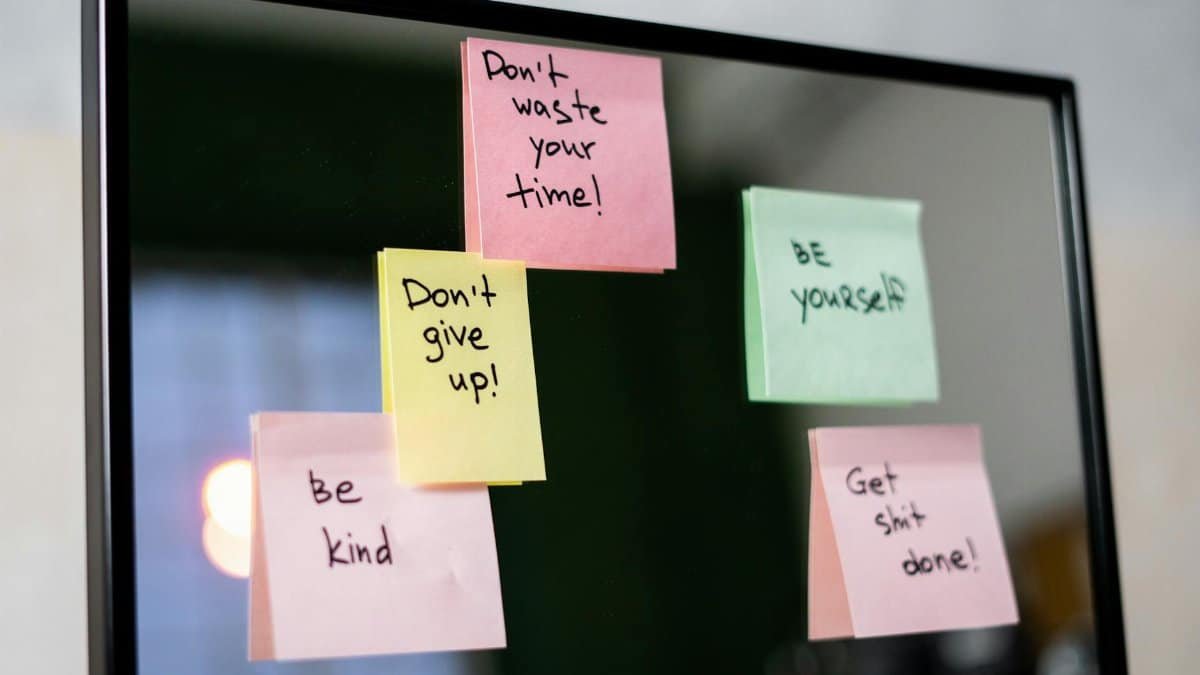
Users swear by gratitude sip coffee for sharpening their edge. Take tech worker Mike from Seattle, who says it helps him tackle emails with less dread. By starting grateful, he avoids the usual caffeine crash and stays productive longer. A report from the Centers for Disease Control and Prevention links mindfulness to improved work performance, with participants showing better concentration. In a year like 2025, where remote work blurs boundaries, this ritual acts as a mental reset, enhancing focus and reducing burnout risks.
Customizing the Ritual for Personal Taste

Make gratitude sip coffee your own. If black coffee isn’t your thing, adapt it to tea or even water. Focus on what resonates: thank the earth for the beans or your barista for the perfect pour. Some add a journal note, jotting one thing they’re thankful for. Variety keeps it fresh, preventing monotony. Therapists recommend personalization to sustain habits, ensuring it aligns with your lifestyle. Whether you’re a minimalist or love elaborate setups, the core remains: mindful sipping with appreciation at the forefront.
Broader Benefits for Mental Health

Beyond the morning buzz, gratitude sip coffee supports long-term well-being. Regular practice cultivates positivity, combating negativity bias that’s wired into our brains. Studies indicate it lowers depression symptoms by encouraging present-moment awareness. In the U.S., where mental health challenges affect millions, simple tools like this are game-changers. Integrating it daily can lead to better sleep and relationships, as gratitude spills over into other areas. It’s a subtle shift with outsized rewards, especially in stressful times.
Incorporating It into Family or Group Settings

Gratitude sip coffee isn’t solo-only. Share it with family over breakfast, turning it into a group affirmation. Kids can thank the milk or the mug, making it fun and educational. At work, suggest it during team coffee breaks to build camaraderie. This communal angle amplifies benefits, fostering connections. Research from positive psychology fields shows shared gratitude strengthens bonds. For 2025’s hybrid lifestyles, it’s a way to nurture relationships without grand gestures, keeping things light and meaningful.
Potential Drawbacks to Watch For

While mostly positive, gratitude sip coffee has pitfalls. Overthinking the ritual might add stress, defeating the purpose. If coffee upsets your stomach, forcing it could backfire. Balance is crucial; don’t let it become another chore. Critics argue it’s overly simplistic for deep issues, but proponents see it as a starting point. Monitor how it feels, adjusting as needed. Overall, when done right, the pros far outweigh the cons, offering a gentle entry to mindfulness.
Tips for Sustaining the Practice Long-Term

To keep gratitude sip coffee going, track your progress in a simple app or notebook. Pair it with existing habits, like after brushing teeth. Celebrate small wins, like noticing improved mood. If motivation dips, revisit why you started, perhaps by reading inspiring stories online. Consistency breeds results, with many finding it indispensable after months. As wellness evolves in 2025, this ritual stands out for its accessibility, helping you maintain a grateful outlook amid life’s demands.