

Many people start their day struggling to shake off the heaviness of sleep and scattered thoughts that linger from the night before. A simple approach known as Morning Meditation offers one way to gently guide the mind toward greater alertness without requiring special equipment or extended time commitments. This practice centers on breath awareness and can be done while still lying in bed making it accessible even on the busiest mornings when motivation feels low. Research from various wellness studies shows that brief periods of focused breathing can reduce mental fatigue and improve concentration for hours afterward. For middle aged adults balancing work family and health concerns such a method provides a practical entry point into mindfulness that fits within existing schedules rather than demanding major lifestyle changes.
Recognizing Signs of Early Day Mental Fatigue

Waking often brings a sense of fogginess where decisions feel harder and attention drifts easily toward distractions like phone notifications or pending tasks. This experience stems from overnight brain processes that clear waste but leave temporary sluggishness in cognitive areas. Observers note that consistent patterns of this haze can affect productivity and mood throughout the morning hours leading some to seek quick interventions rather than relying on caffeine alone.
Exploring Breath as an Anchor for Clarity

Focusing attention on the natural rhythm of inhalation and exhalation creates a steady point of reference amid wandering thoughts. This technique draws from established mindfulness traditions yet requires no prior experience making it suitable for beginners who feel intimidated by longer sessions. Practitioners report that even short engagements help interrupt cycles of worry and bring a renewed sense of presence.
Adapting the Method for Busy Schedules

Individuals with demanding routines can perform the exercise immediately upon waking before rising to handle daily responsibilities. The approach avoids complex postures or guided audio tracks allowing full customization based on personal comfort levels and available time. Over repeated use it becomes a seamless addition that supports overall mental resilience without adding pressure.
Observing Changes in Focus After Practice

Those who maintain the habit frequently describe sharper decision making and reduced reactivity to minor stressors during work meetings or family interactions. Longitudinal observations from health centers indicate measurable shifts in self reported clarity after several weeks though results vary by individual consistency and external factors like sleep quality.
Connecting Morning Meditation to Broader Wellness Trends

Current discussions in wellness circles highlight how brief contemplative pauses align with growing interest in sustainable self care strategies among working professionals. Unlike intensive retreats this form emphasizes accessibility and repetition over intensity fostering gradual improvements in emotional balance and cognitive function that accumulate across months.
Addressing Common Hesitations Among Newcomers

Skepticism often arises around whether such a minimal time investment yields meaningful outcomes yet accounts from longtime users suggest cumulative effects build steadily with regular application. Concerns about doing it correctly tend to fade once emphasis shifts from perfection to simple awareness of breath sensations in the present moment.
Considering Variations for Different Needs
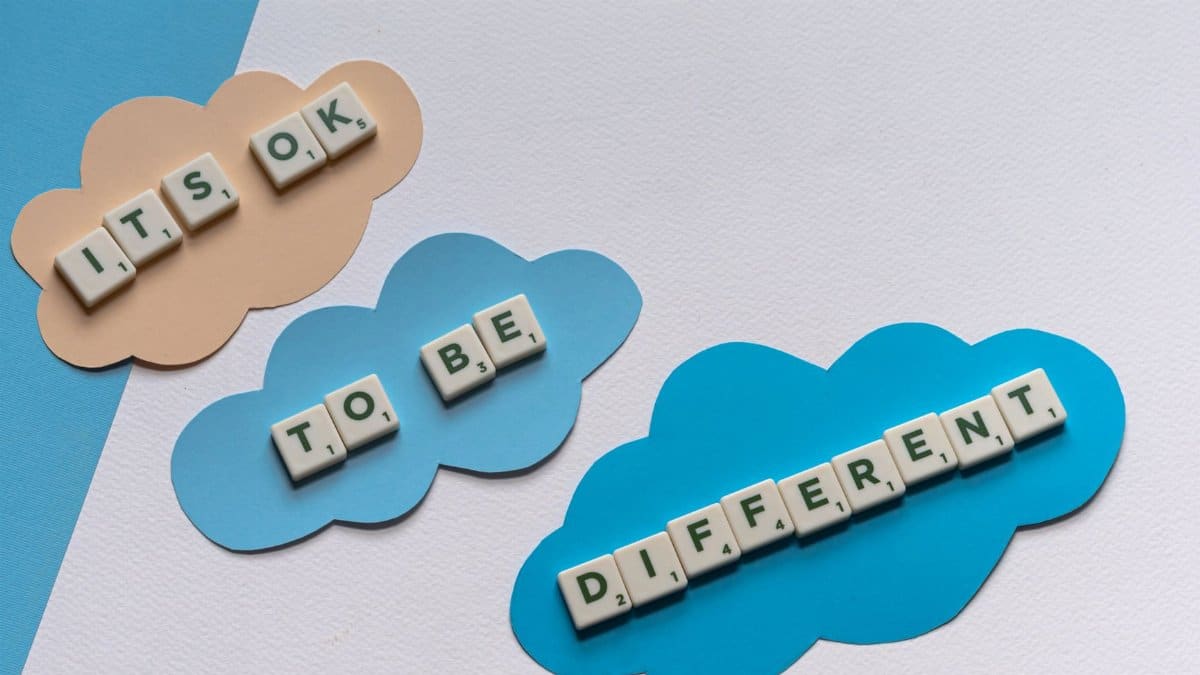
Some prefer counting breaths silently while others focus purely on physical sensations in the nostrils or chest area depending on what feels most grounding. Adjustments can account for physical limitations such as mobility issues ensuring the core elements remain available across diverse populations and age groups.
Evaluating Longterm Impacts on Daily Performance

Continued engagement appears linked to better management of afternoon energy dips and improved sleep patterns at night according to participant feedback collected in community wellness programs. These outcomes contribute to a more stable foundation for handling unexpected challenges that arise in professional or personal spheres.
Sharing Experiences Within Social Circles

Conversations about personal routines sometimes reveal how friends or colleagues have incorporated similar pauses leading to collective encouragement and idea exchange. Such sharing helps normalize the practice reducing stigma around mental maintenance in cultures that prioritize constant activity over reflective pauses.