
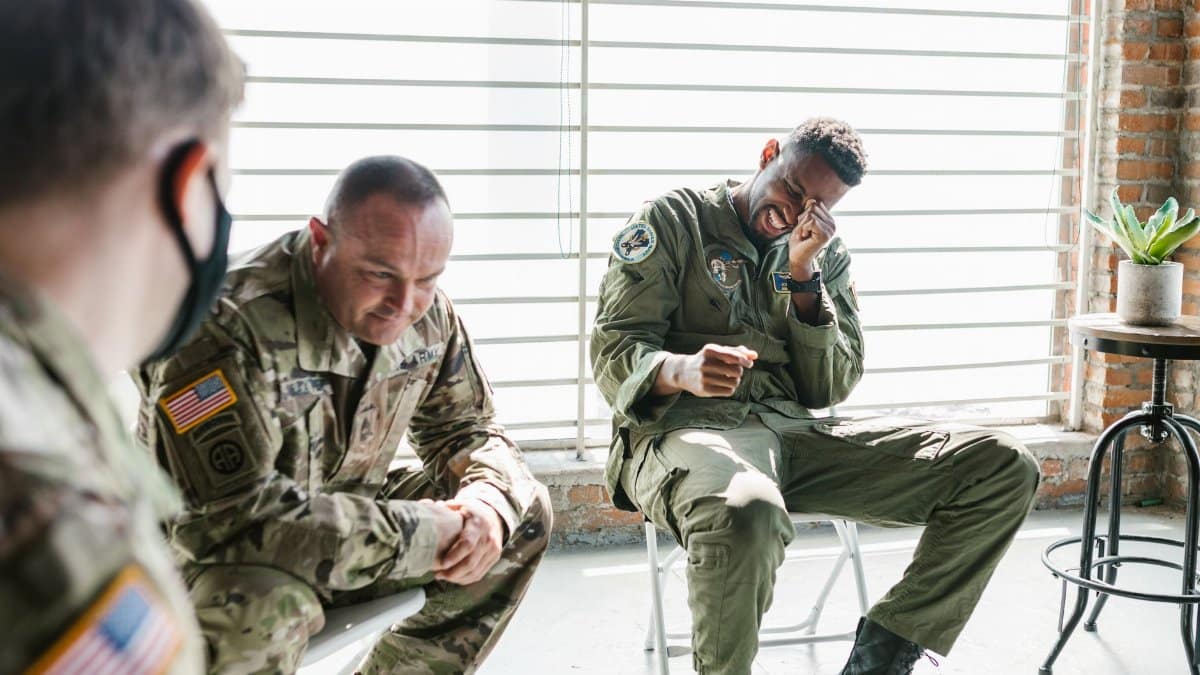
In recent months a surprising shift has occurred in how the nation approaches mental health care for those who served in the military. Policy changes have accelerated approval processes for certain substances aimed at easing the burdens of trauma. This development has sparked conversations across the country particularly among groups known as Psychedelic Veterans. These individuals often seek alternative paths to healing after conventional methods fall short and local views on Long Island reflect a mix of hope and caution.
The Executive Action and Its Scope

The recent order directs agencies to prioritize review of psychedelic options for treating post traumatic stress among former service members. Officials describe the move as a response to rising cases that resist standard care. Implementation timelines call for quicker trials and broader access in approved settings. Supporters argue this could reduce wait times for effective relief while critics question the pace of scientific validation.
Long Island Community Perspectives

Residents on Long Island express divided sentiments about the fast tracked approach. Some families with military backgrounds welcome expanded choices after years of limited progress. Others worry about unknown long term effects and insufficient regulatory oversight. Town hall meetings have featured veterans sharing personal accounts alongside medical professionals urging measured steps.
Historical Context of Psychedelic Research

Earlier studies explored similar compounds in controlled environments during the mid twentieth century. Interest waned amid regulatory shifts but recent academic work has revived examination of their therapeutic potential. Institutions now focus on rigorous protocols that separate medical use from recreational contexts. This renewed attention informs current policy discussions around Psychedelic Veterans.
Challenges in Traditional Treatment Methods

Standard therapies for trauma often involve lengthy sessions with variable success rates. Many veterans report persistent symptoms despite consistent medication and counseling. Resource constraints in veterans health systems compound these difficulties. The push for new avenues stems from these ongoing gaps in care delivery.
Safety Considerations and Oversight Needs

Medical experts emphasize the importance of supervised administration to minimize risks. Guidelines under development stress screening processes and follow up monitoring. Data from ongoing trials will shape final rules for widespread application. Public health officials stress transparency to maintain trust in the emerging framework.
Economic and Access Implications

Expanded options could influence costs within the veterans health network over time. Initial investments in training and facilities represent upfront expenses. Advocates suggest eventual savings through reduced chronic care needs. Regional disparities in provider availability may affect equitable rollout across areas like Long Island.
Personal Accounts from Service Members
Former service members describe varied journeys toward recovery that sometimes include unconventional routes. One account highlights gradual improvement after participation in structured programs. Another notes the value of community support alongside any new treatment. Such narratives add depth to broader debates on Psychedelic Veterans.
Broader Impacts on National Policy

The initiative may set precedents for other health areas facing similar treatment shortfalls. Federal coordination with state level programs will determine consistency. Ongoing evaluation periods allow adjustments based on emerging evidence. This evolution reflects wider efforts to address mental health across populations.
Looking Ahead for Treatment Options
Continued research will clarify the role of these substances in comprehensive care plans. Stakeholder input from veterans groups remains central to refinements. Balanced discourse on Long Island and beyond can guide responsible progress. Ultimately outcomes will depend on careful integration with existing support structures.