

The lights failed for only a short stretch, long enough for a few voters in Duncanville to pause at a darkened doorway and wonder whether a private errand had just become a public delay. Most polling places across the region opened with the ordinary hush of clipboards, coffee, and names read aloud. This one did not. Officials later described the outage, and a separate run of equipment trouble in Collin County, as limited. Together those episodes formed the visible edge of North Texas election disruptions that stayed minor in the official record and personal in the rooms where they happened.
A brief darkness in Duncanville

Power is the quiet assumption of a modern polling place. Scanners need it. Electronic poll books need it. Lights, air, and the small printer that produces a receipt of civic intent all need it. When the current drops, the room changes character in an instant. Voices lower. People look at their phones. A worker who has rehearsed a script for a jammed ballot now has to improvise around a darker and simpler problem.
Reports from Duncanville described an outage that did not last long and did not empty the civic calendar. Voters who arrived in that window met inconvenience rather than cancellation. That distinction matters. A closed site sends people hunting for another address. A paused site asks them to wait, to step outside, or to return after the building is alive again. Either way, the burden falls unevenly. A retiree with a free morning can absorb a delay. A nurse between shifts, a parent with a school pickup, or a worker using a narrow lunch break cannot treat time as elastic.
The outage also exposed how much of Election Day still depends on infrastructure that election administrators do not own. Utilities, building managers, and emergency crews sit outside the chain of command that trains poll workers. When those systems hiccup, the polling place inherits the consequence without having caused it. Duncanville offered a compact lesson in that dependency. The lights returned. The larger dependency did not.
What voters met at the door

A disruption is not only a technical event. It is a conversation at a folding table. Someone has to explain, in plain language, why the usual path is blocked and what the next path is. Tone does the work that machinery cannot. A clear sentence calms a line. A vague one breeds rumor before the first text message leaves the parking lot.
Voters in such moments tend to ask three practical questions. Can I still cast a ballot here. If not, where. If I wait, will I be turned away when the clock runs out. Good answers are short, repeated, and consistent from one worker to the next. Inconsistent answers are how a minor mechanical fault becomes a story about unfairness, even when no one intended unfairness.
Public accounts of the Duncanville outage did not describe widespread disenfranchisement. They described friction. Friction is easy to dismiss from a distance and hard to dismiss if you are the person holding a sample ballot in a dim room. Journalism should hold both truths at once. The system bent. It did not break. The people inside it still felt the bend.
Equipment trouble in Collin County
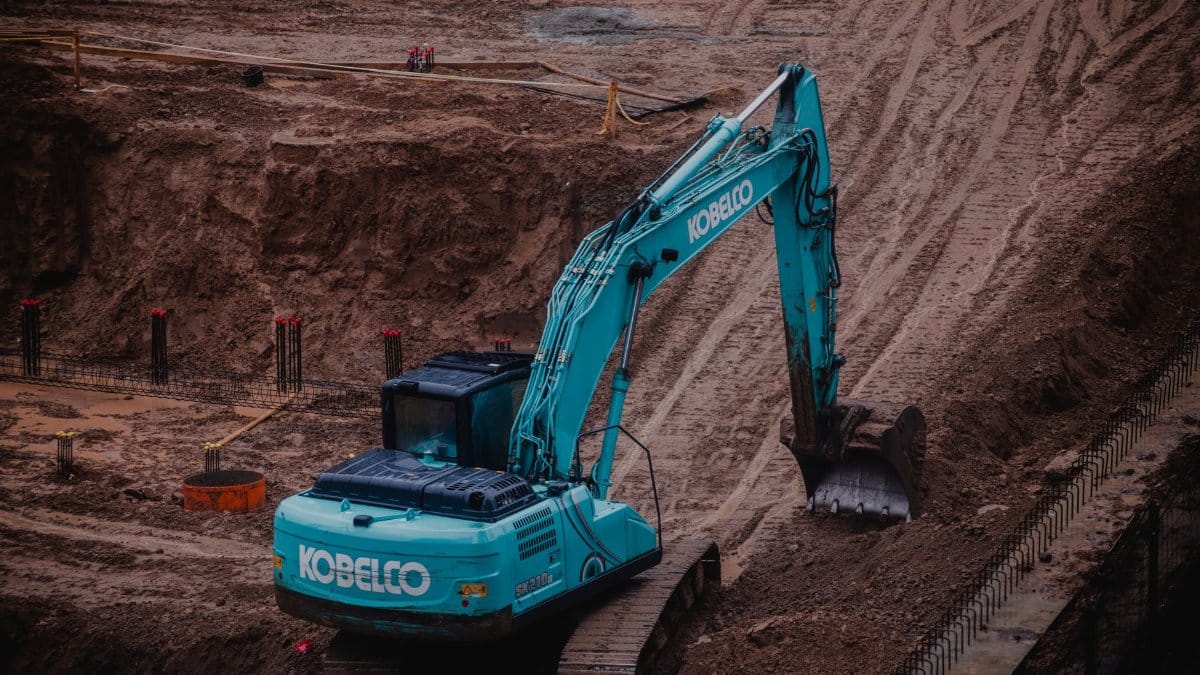
Collin County supplied the second thread. Equipment problems, unlike a power loss, can look like ordinary bureaucracy until a line stops moving. A scanner that rejects ballots, a poll book that will not load a voter, a printer that smudges a label: each failure is local, and each one multiplies the minutes behind it. One slow station becomes five restless voters, then fifteen, then a social media post that travels farther than the facts.
Equipment fails for dull reasons. A cable sits loose. A battery was not charged overnight. Software asks for a step that yesterday’s training treated as optional. Paper stock is the wrong weight. None of this is cinematic, which is why it is dangerous to ignore. The romance of elections lives in speeches. The reality lives in plastic housings and laminated instruction cards.
County election offices plan for this dullness. They stock spare machines. They station technicians who can drive between sites. They write scripts for when a machine must be taken out of service and paper processes must carry the load. Those plans worked well enough, by the public telling, to keep Collin County’s trouble in the category of disruption rather than breakdown. The plans also have a ceiling. Spares are finite. Technicians cannot be in every room at once. A morning cluster of faults can outrun a perfectly reasonable preparation.
How workers kept the line intact

Poll workers are temporary civil servants with permanent responsibility. Many are older. Many are volunteers or modestly paid. They absorb the first anger when a machine balks, and they do it without the authority to rewrite state law on the spot. On a day marked by North Texas election disruptions, their craft was triage: identify the fault, isolate it, offer a lawful alternative, and keep the rest of the room voting.
Paper remains the sturdy cousin in these moments. A ballot marked by hand does not care whether the lights flickered an hour earlier, so long as a worker can account for it and a bipartisan team can secure it. Provisional processes exist for eligibility questions that cannot be solved at the table. Curbside options exist for voters who cannot easily enter. None of these tools is glamorous. All of them are how a county converts a bad half hour into a completed election.
The human texture matters as much as the tool. A worker who has slept, eaten, and been briefed will explain a delay without scolding the voter for being annoyed. A worker who is exhausted will hear annoyance as accusation. Counties that treat staffing as an afterthought are quietly choosing which kind of morning they want. The minor episodes in Duncanville and Collin County did not indict the people at the tables. They underlined how much the day asks of them.
Why a small failure still counts

It is tempting to file minor delays under the heading of noise. Elections are large. A few stalled machines in a growing county, a short outage in one city, a handful of voters sent back to their cars: against hundreds of thousands of ballots, the arithmetic looks small. Arithmetic is not the only measure. Legitimacy is a felt experience. People decide whether the process is worthy of trust based on the room they actually entered, not on a regional average they will never see.
That is why North Texas election disruptions of this scale deserve a careful telling rather than a shrug or a siren. A shrug teaches voters that their time is cheap. A siren teaches them that every hiccup is a plot. Neither lesson serves a democracy that already asks citizens to perform trust in public. The accurate sentence is plainer. Some voters lost time. Officials said the losses were contained. Containment is not the same as invisibility.
There is also a compounding effect. A voter who waits once may still return. A voter who waits, then hears a friend describe a different snag in another city, begins to assemble a private theory of disorder. Private theories fill the gap when institutions speak late or speak only in reassurance. Early, specific, boring communication is the antidote. Say which site. Say what failed. Say what voters should do. Say when the picture changed. Boredom is a civic virtue on Election Day.
The clock that does not negotiate

Texas polling hours are a hard frame around a soft human day. Sites open in the early morning and close in the evening. A voter who is in line when the doors are meant to shut is still entitled to cast a ballot. That rule is a promise, and it is also a pressure. If a morning outage pushes people toward the evening, the last hour carries everyone the morning could not serve.
Administrators know this arithmetic. So do party lawyers, news desks, and the group chats that now function as unofficial newsrooms. A delay at 8 in the morning is a staffing problem. The same delay at 6 in the evening is a story about access. Duncanville’s outage, being brief, appears not to have forced that evening squeeze. The principle remains. Time lost early in the day is time the close of polls may have to repay.
Voters can help themselves without becoming experts in statute. Arriving with the accepted form of identification, knowing the polling site, and allowing a margin for a slow scanner are unromantic preparations. They do not excuse a county for faulty gear. They do reduce the chance that a personal schedule and a public snag collide at the worst minute.
What officials owed the public
After a disrupted morning, the public does not need poetry. It needs a timeline. When did the power fail in Duncanville. When did it return. Which machines in Collin County were pulled. Were ballots already cast on those machines preserved. Were any voters redirected, and to where. Were wait times measured, or only estimated by the people standing in them.
Counties that publish those answers quickly do more than manage a news cycle. They teach the next voter that the institution can see itself. Silence, even well meant silence while facts are checked, reads as evasion in a year when every election office is presumed to be hiding something. The correction is not spin. The correction is specificity, issued as soon as the facts will bear it, and updated when they change.
Reporters have a matching duty. A headline that inflates a brief outage into chaos injures the same trust it claims to defend. A headline that buries real inconvenience under the word minor can do the opposite harm, teaching readers that their irritation is illegitimate. The Dallas Morning News and other local desks exist to walk that line in public, with names, places, and the discipline to say what is not yet known. That discipline is part of the election infrastructure too.
Training, spares, and the unglamorous budget

Prevention is a budget argument wearing a precinct badge. Spare scanners cost money. Extra electronic poll books cost money. Generator agreements with building owners cost money and negotiation. Paid hours for a second wave of workers in the afternoon cost money. None of these items photograph well at a ribbon cutting. All of them are how a county keeps a Tuesday from becoming a parable.
Training is the other half. A worker who has practiced the paper fallback in a bright classroom will reach for it in a dim lobby. A worker who has only heard the fallback described will hesitate, and hesitation is contagious. Counties that run realistic drills, including a pretend power loss and a pretend dead printer, buy confidence they cannot purchase on Election Day morning.
Growth sharpens the point. Collin County and the broader Dallas area have added residents faster than many institutions can add routines. New precincts, new buildings, new vendors, and new workers are a standing condition, not a one time surge. A plan written for last cycle’s map will fail quietly at the edges of this cycle’s map. The equipment issues reported in Collin County should be read in that light: not as proof of neglect by default, and not as trivia, but as a stress test the next budget should answer in detail.
Rumor, patience, and the room itself

Every modern election is also a media event conducted by amateurs with excellent cameras. A dark lobby becomes an image in seconds. An image without a caption becomes a claim. By the time a county spokesman finishes a careful sentence, the claim may have reached people who will never see the correction. This is not a reason to hide problems. It is a reason to speak first, in the same channels voters actually use.
Patience is harder to prescribe. Voters are not obliged to enjoy a wait they did not cause. They are obliged, if the civic bargain is to hold, not to treat every wait as evidence of theft. Those two sentences can live together. Anger at a broken scanner is rational. Conspiracy as the first explanation is not. The adults in the room, whether they wear a poll worker badge or hold a phone, set the temperature for everyone else.
I have stood in enough public lines, at courthouses and clinics and school gyms turned into polling places, to know that tone is contagious in both directions. A single calm explanation can reset a crowd. A single sneer can undo an hour of competent work. The North Texas election disruptions of this Election Day were small enough that tone still had the power to decide how they would be remembered.
What the next cycle should change

The useful aftermath is a list, not a speech. Which Duncanville site lost power, and does that building have a workable backup supply for the rooms that actually host voting. How fast did Collin County technicians reach the affected equipment, and was the spare inventory in the right warehouse or the wrong one. Did wait time get recorded in a way a future planner can trust. Did any voter leave without voting, and does the county have a way to know.
Those questions are answerable. They should be answered in writing, while memories are fresh, and shared with the workers who lived the morning. A closed lesson learned document that never reaches the next training class is a diary, not a reform. The public can ask for the plain version. Secrecy around security settings is legitimate. Secrecy around whether the lights stayed on is not.
Voters, for their part, can treat the episode as information rather than omen. Check the polling site before leaving home. Build a little slack into the schedule. If a machine balks, ask for the paper path and stay until a worker confirms the ballot is in the process. Courtesy toward the person at the table costs nothing and buys clarity. None of this absolves counties of their duty to field working equipment. It does keep a minor fault from becoming a personal forfeiture.
A region that votes in ordinary rooms
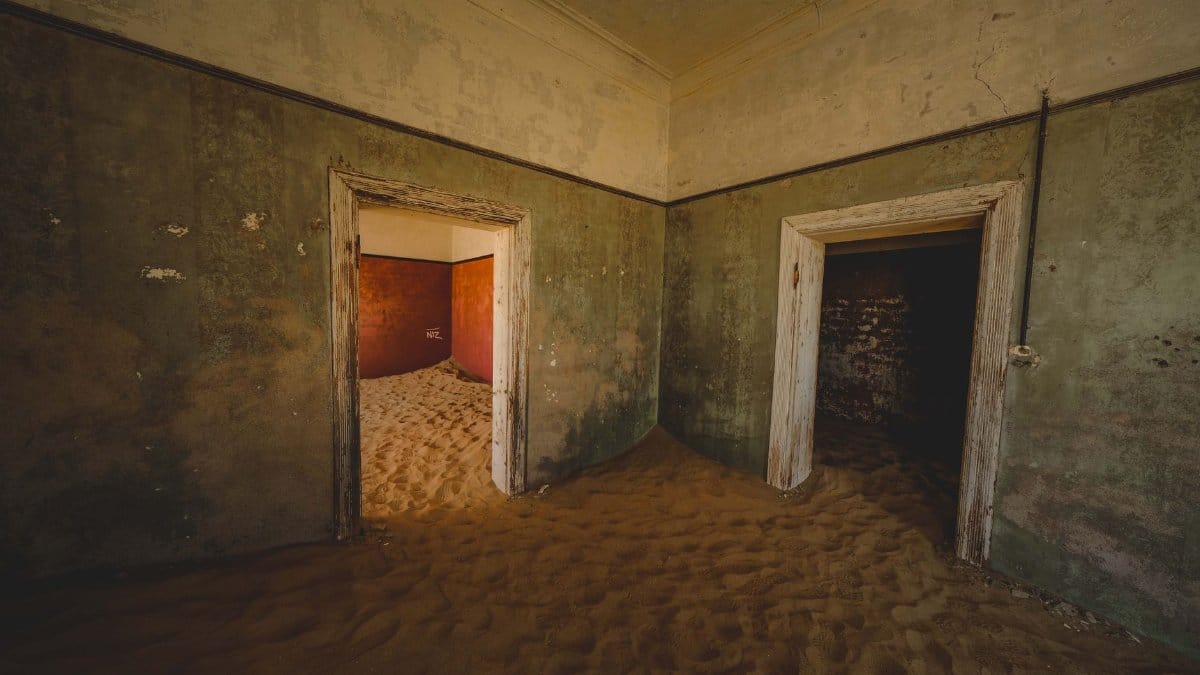
North Texas will keep voting in school gyms, church halls, municipal lobbies, and library meeting rooms that were not designed as civic cathedrals. Those rooms will keep depending on power they do not generate and machines that eventually wear out. The test of the system is not whether every hour is seamless. The test is whether a seam is seen, explained, and repaired before it cuts someone out.
On this Election Day the seam showed in Duncanville and again in Collin County. Officials called the result minor. That word can stand if it is paired with names, times, and a visible fix. It cannot stand alone. Voters who lost part of a morning are not a rounding error. They are the reason the machinery exists.
The story of North Texas election disruptions, in this telling, is not a thriller. It is a maintenance report with human stakes. Power flickered. Equipment stumbled. Workers improvised. Ballots, by the public account, still found their way into the count. A grown up public can hold that sequence without panic and without complacency. The next election will ask the same region the same question, in ordinary rooms, under ordinary lights, until the lights are not ordinary anymore.