
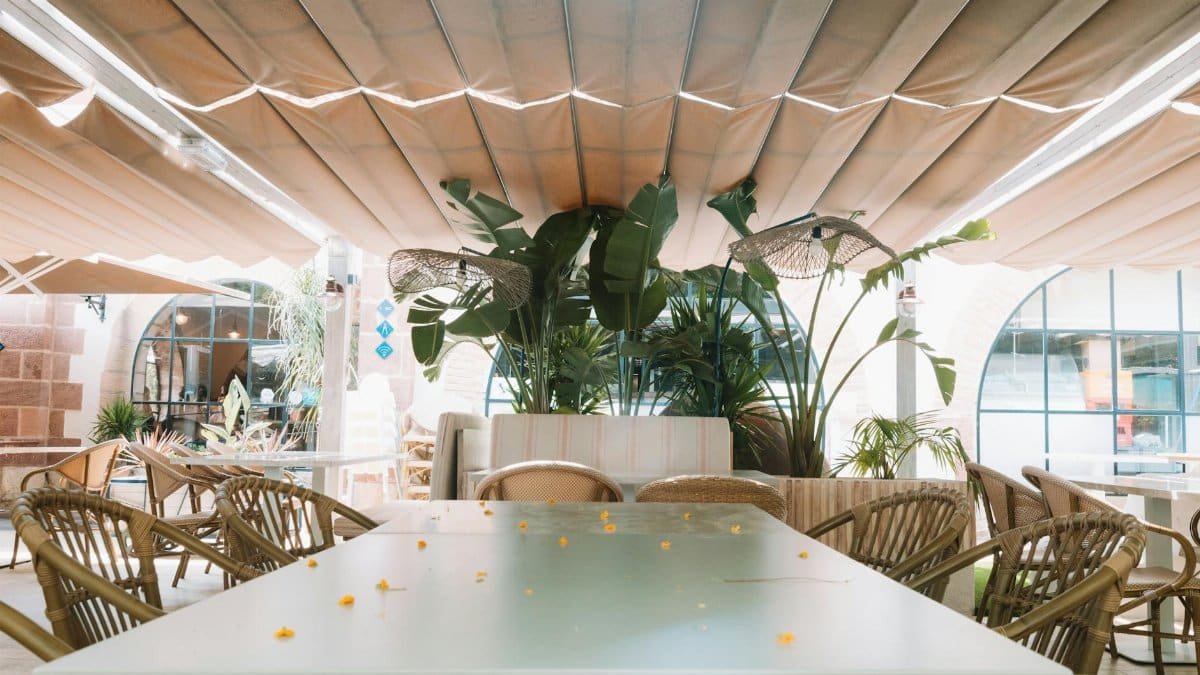
Stepping into the newly opened dining room one is immediately enveloped by the rich scents of roasted pork and simmering stews reminiscent of family gatherings in distant lands. The popular Ecuadorian eatery which first gained fame in Spain has now brought its beloved menu to our shores making the ecuadorian restaurant coral gables a beacon for those craving genuine tastes from the Andes. This establishment does more than serve meals. It invites guests to experience a piece of cultural history that has traveled across oceans to find a new home in this picturesque Miami suburb. The careful fusion of Ecuadorian tradition with Spanish refinement creates an atmosphere where every detail feels intentional. For many middle aged residents of South Florida who remember the comfort of ancestral recipes this arrival resonates on a level that goes beyond mere dining.
A Culinary Bridge Between Continents

The restaurant traces its origins to Madrid where it first opened more than a decade ago. There an Ecuadorian family began recreating the dishes of their homeland for Spanish diners hungry for something authentic yet refined. Success came quickly as word spread about the quality of the hornado the slow roasted pork with its crackling skin and the locro de papa a comforting potato soup enriched with cheese and avocado. When the decision was made to cross the Atlantic Coral Gables emerged as the ideal destination. The citys established Latin American community and appreciation for quality dining provided fertile ground for growth. The owners spent considerable time studying local preferences while remaining committed to the core recipes that built their reputation. This balance has allowed the ecuadorian restaurant coral gables to feel both familiar and refreshingly new to area residents.
The Appeal of Coral Gables for This Venture
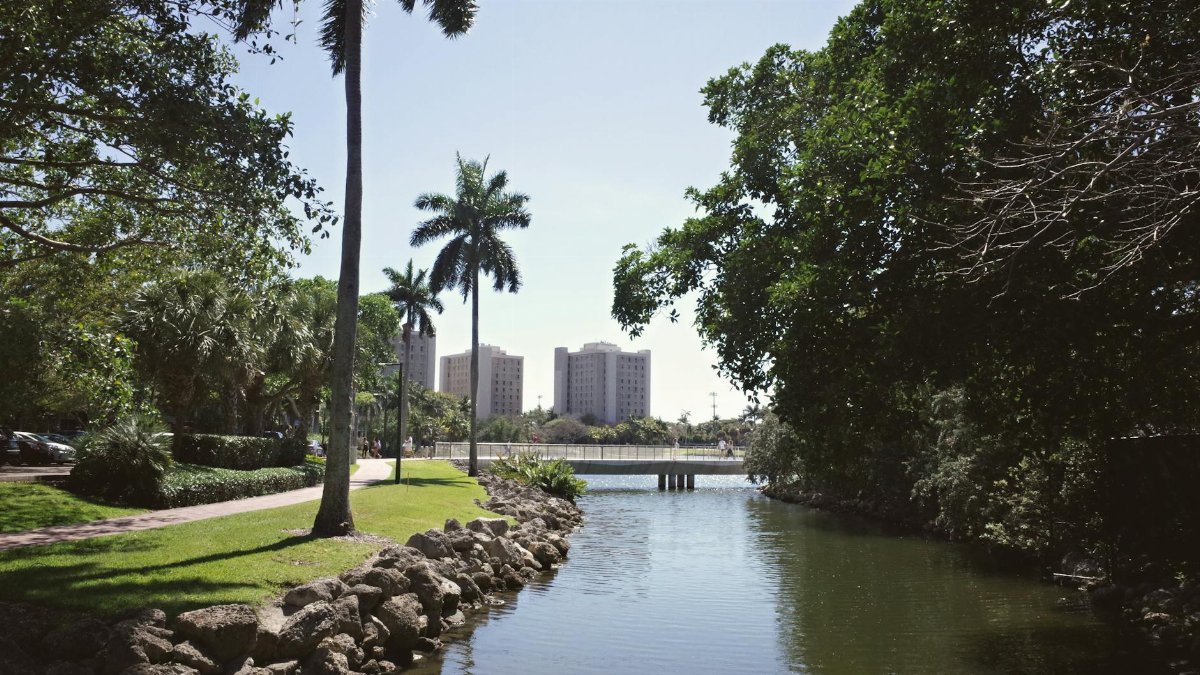
Coral Gables has long attracted sophisticated international concepts thanks to its tree lined streets and cosmopolitan population. For a restaurant bringing Ecuadorian cuisine from a European base the location offers more than foot traffic. It provides a setting where cultural exchange happens naturally. Many residents here maintain ties to South America either through heritage travel or family connections. The restaurant fits seamlessly into this landscape offering a space where conversations about identity and memory unfold over shared plates. Early data from similar openings in the Miami area suggests that establishments emphasizing heritage cuisine often become gathering points for extended families particularly those with adult children seeking to pass down traditions. The elegant yet welcoming interior design reinforces this mission avoiding flashy trends in favor of warm woods and subtle nods to Andean textiles.
Exploring the Menu Favorites
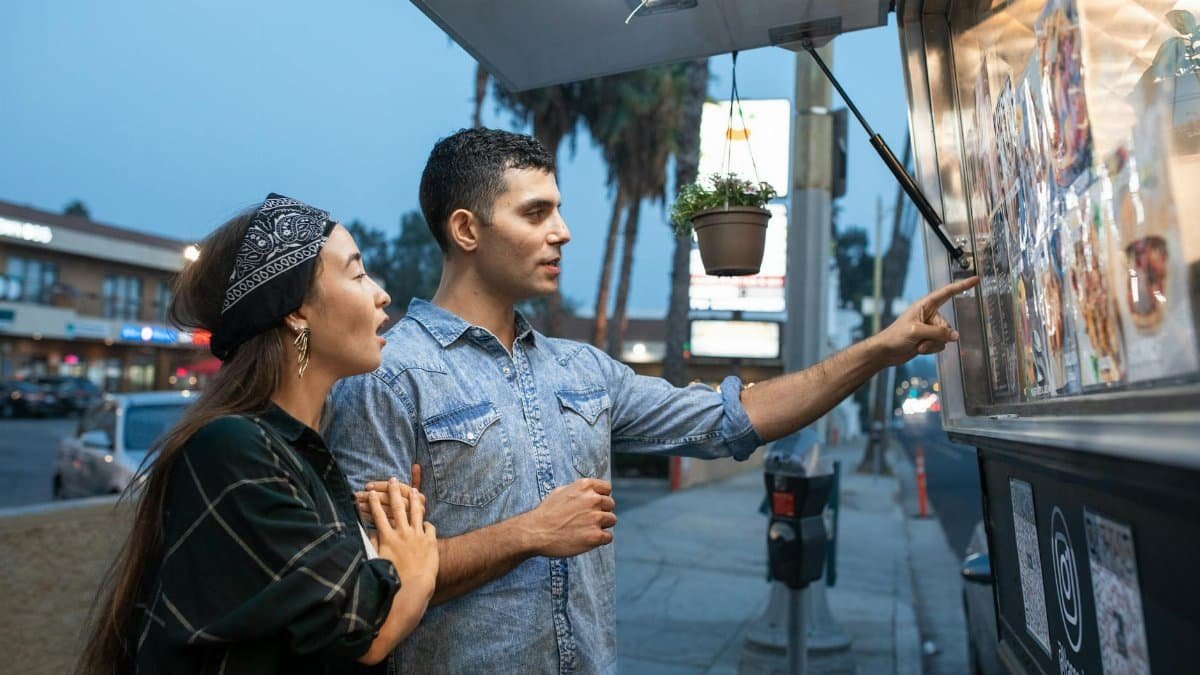
Those who visit quickly discover that the menu at ecuadorian restaurant coral gables goes far beyond expectations. The llapingachos potato pancakes achieve a perfect balance of crisp exterior and melty interior while the ceviche features fresh seafood cured in citrus with precise slices of red onion and chocho beans. Perhaps most moving is the seco de chivo a goat stew slow cooked until tender and fragrant with beer and spices. These dishes arrive with traditional accompaniments such as fried plantains and pickled red onions creating complete plates that satisfy both hunger and curiosity. The kitchen sources ingredients with care importing certain Ecuadorian specialties while utilizing local produce for items like the fresh herbs that brighten every dish. This commitment to quality explains why many guests return regularly finding new nuances with each visit. The menu also includes vegetarian options that honor the same principles of balance and flavor showing respect for varied dietary needs within the community.
The Family Story Behind the Success

At its core this restaurant remains a family endeavor. The patriarch who first left Ecuador decades ago carried recipes in his memory and dreams of one day sharing them widely. His children grew up in Spanish kitchens learning the techniques that honor both their indigenous roots and the European influences absorbed over time. Today they oversee operations in Coral Gables bringing the same dedication observed in their Madrid locations. This personal investment creates an authenticity that cannot be manufactured. Servers speak knowledgeably about each dish often sharing brief anecdotes about its origins in Ecuadorian households. Such details transform a simple meal into something more meaningful. For middle aged diners who value craftsmanship and legacy this family narrative adds depth to the experience making each reservation feel like participation in an ongoing story rather than a transactional dinner.
Fostering a Sense of Belonging Through Food
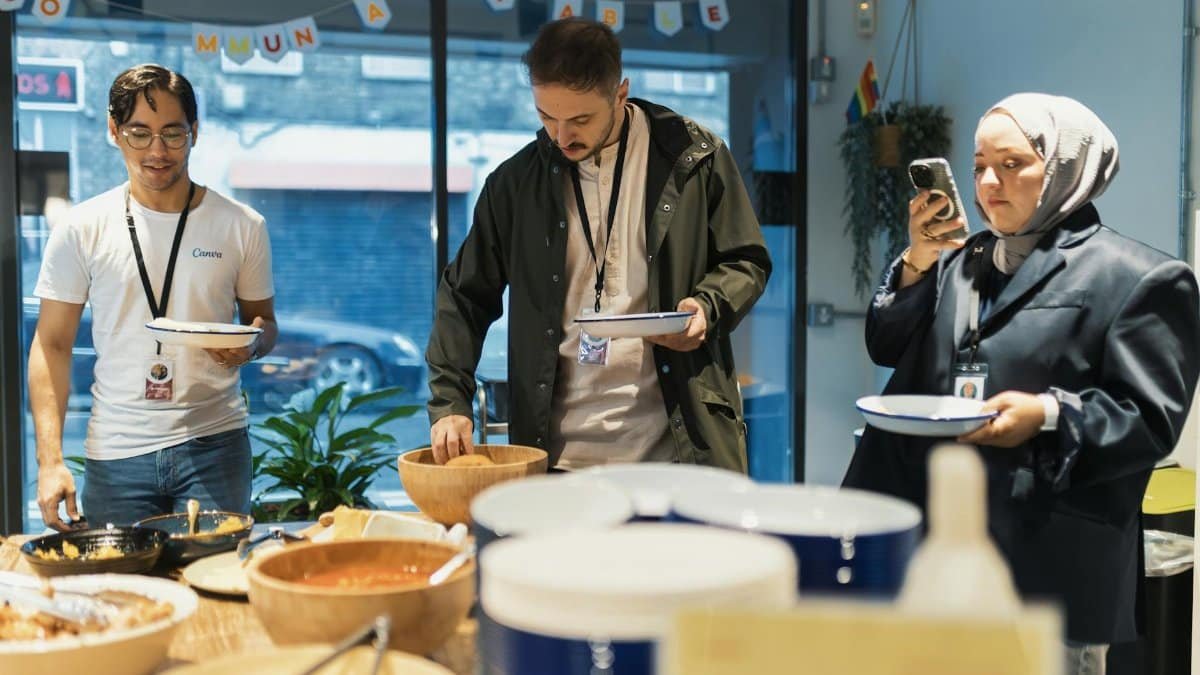
Food has always served as more than nourishment in Ecuadorian culture. It creates bonds strengthens community ties and offers continuity across generations. The new Coral Gables restaurant taps into this power intentionally designing its space to encourage lingering and conversation. Large tables accommodate extended families while smaller booths provide intimacy for couples rediscovering date nights. Regular events featuring Ecuadorian music and occasional cooking demonstrations further strengthen these connections. In a time when many feel increasingly isolated such spaces take on special importance. They remind us that breaking bread together remains one of the most reliable ways to build relationships and maintain cultural continuity. The restaurant has already hosted several community gatherings drawing both longtime Miami residents and recent arrivals from Ecuador who express profound gratitude for this taste of home.
Trends in Cultural Dining Experiences
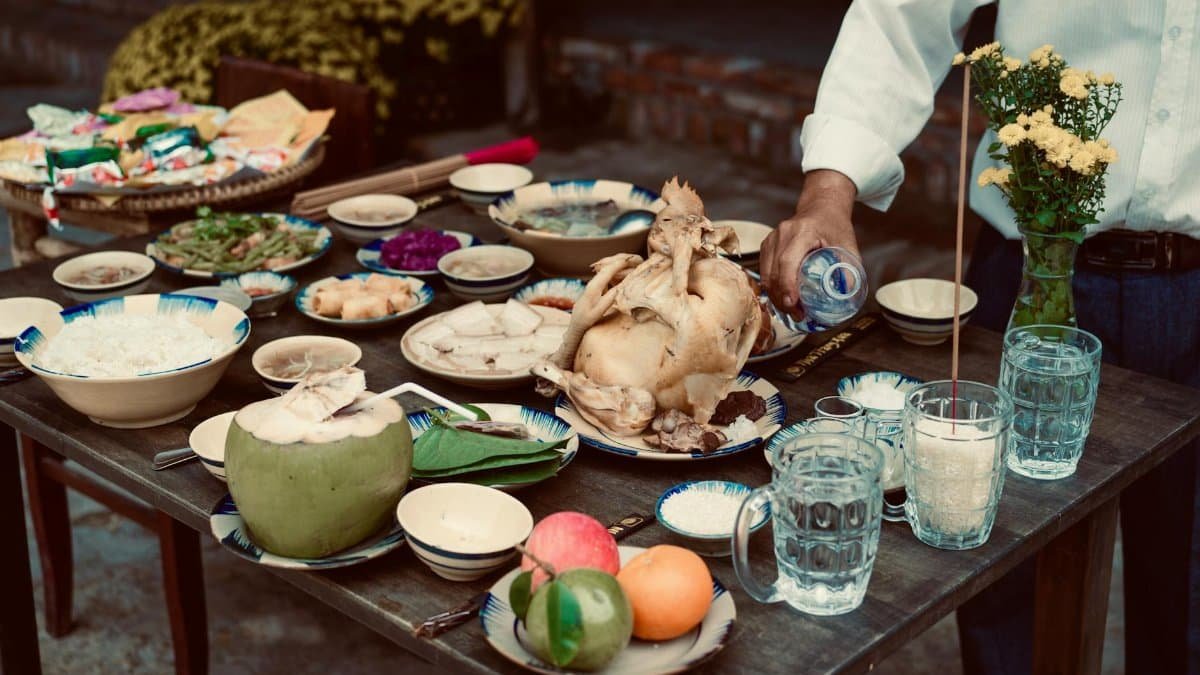
This opening reflects broader patterns visible across American cities where diners increasingly seek establishments that offer genuine cultural immersion rather than superficial interpretations. Middle aged consumers particularly show growing interest in cuisines that connect them to heritage or introduce them to new perspectives through flavor. Ecuadorian food occupies a distinctive position in this landscape. Its emphasis on fresh ingredients balanced spices and communal eating aligns well with current conversations about mindful consumption and emotional wellbeing. The restaurants Spanish chapter adds another layer demonstrating how immigrant cuisines evolve and cross pollinate when carried to new countries. Similar trends appear in other cities where South American concepts have found enthusiastic audiences by emphasizing storytelling alongside the food itself. This approach transforms restaurants into cultural centers rather than mere feeding stations.
Insights from Regular Patrons
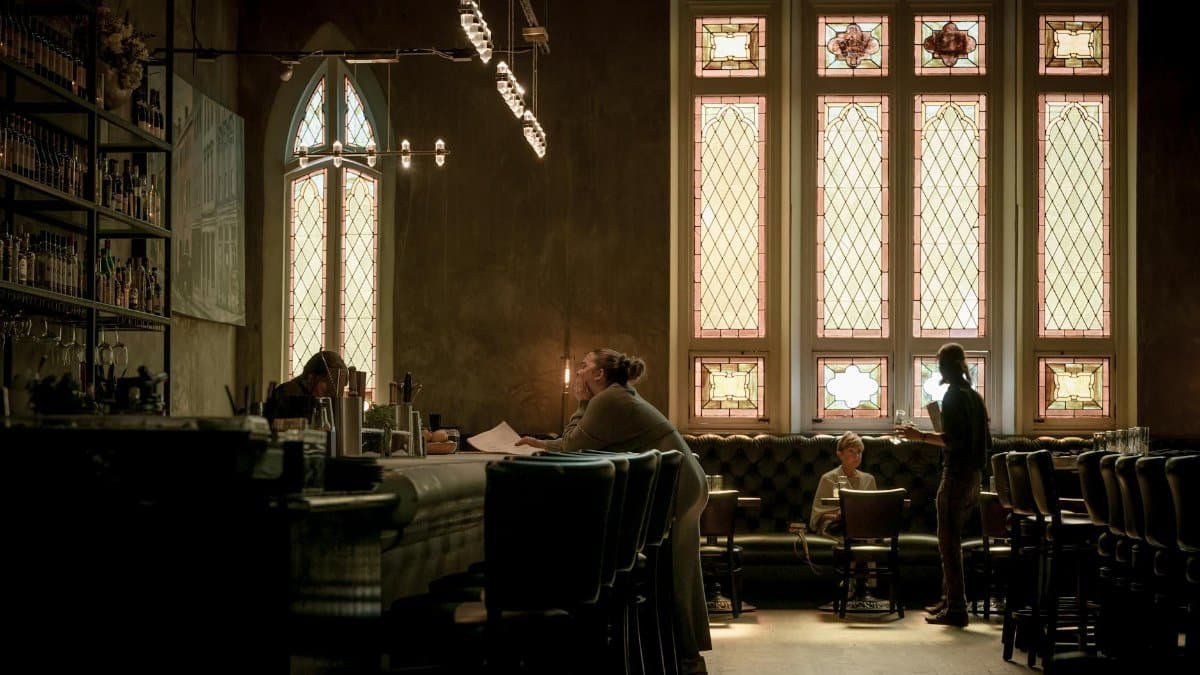
Feedback from those who have dined multiple times at ecuadorian restaurant coral gables reveals consistent themes. Many mention the comforting familiarity of flavors even for those without direct Ecuadorian heritage. A retired teacher described how the warm service and thoughtful pacing of meals created an experience she compared to visiting the home of old friends. Others appreciate the reasonable pricing for the quality provided noting that it makes regular visits feasible rather than reserved for special occasions. Several patrons with Ecuadorian roots have shared emotional responses to dishes that replicate what their grandparents once prepared. These personal accounts illustrate the restaurants role in preserving memory while creating new traditions in South Florida. The consensus suggests that success stems not from novelty but from consistent execution of classics that resonate across different backgrounds.
The Deeper Meaning of Sharing a Meal
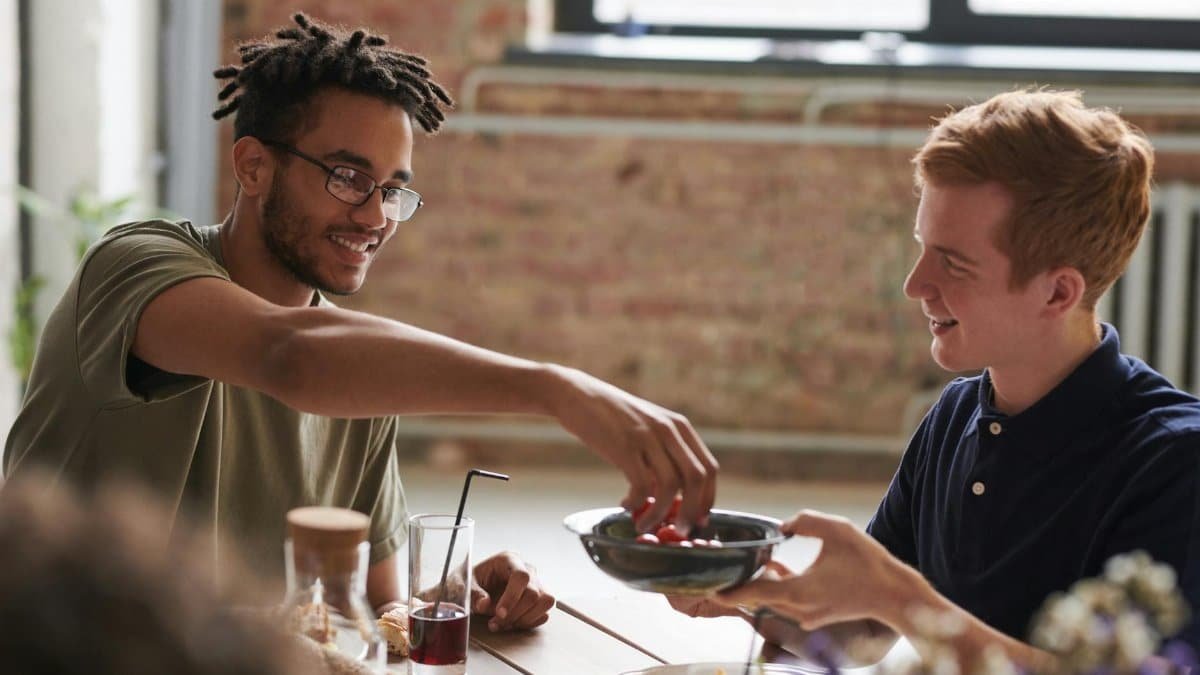
Beyond the recipes themselves lies a philosophy that views food as a conduit for connection and reflection. In Ecuadorian tradition meals often carry spiritual significance marking celebrations expressing gratitude or simply reinforcing family bonds. The Coral Gables restaurant honors this perspective through its unhurried service and attention to detail. Diners frequently comment on the peaceful atmosphere that allows for actual conversation rather than rushed consumption. This approach aligns with growing interest in mindful eating practices that treat food as nourishment for both body and spirit. By creating space for such experiences the establishment contributes to a broader cultural conversation about what we seek from our restaurants. In an increasingly fragmented world these shared tables offer rare opportunities for genuine presence and appreciation of both food and company. The ecuadorian restaurant coral gables seems to understand this need intuitively making it central to its identity.
Sustainability Practices in the Kitchen

Consciousness about sourcing and waste has become expected in quality dining establishments. Here the kitchen team works with local farmers whenever possible incorporating seasonal Florida ingredients into traditional preparations. Seafood arrives from sustainable suppliers and the restaurant maintains composting programs that minimize environmental impact. These practices reflect a respect for the land that echoes indigenous Ecuadorian values regarding stewardship of natural resources. Such efforts appeal particularly to middle aged diners who prioritize ethical consumption alongside flavor. The transparency about these choices also educates guests about the broader context of their meal deepening appreciation for each component on the plate. This integration of traditional wisdom with contemporary concerns demonstrates how heritage restaurants can evolve while maintaining their essential character.
Looking Ahead to Further Growth

The Coral Gables opening represents the beginning of what the owners hope will become a larger presence in the United States. Plans for additional locations in other Florida cities are already under discussion though the family emphasizes that quality will never be sacrificed for expansion. Future menus may incorporate more seasonal adaptations while preserving signature dishes that customers have come to love. Cooking classes focused on Ecuadorian techniques are also being developed as a way to deepen community engagement. These initiatives suggest an understanding that restaurants today succeed by building relationships that extend beyond single visits. For the local food scene this arrival signals continued diversification and enrichment of options available to residents seeking meaningful dining experiences that nourish on multiple levels.
The arrival of this establishment ultimately offers more than another dining choice in an already rich culinary landscape. It provides a space where culture memory and flavor intersect creating experiences that linger long after the meal ends. As more guests discover what ecuadorian restaurant coral gables brings to the table the hope is that it will inspire similar ventures celebrating other underrepresented cuisines. In doing so it contributes to a more vibrant and connected community where food serves as both celebration and bridge. The warmth emanating from its kitchen seems likely to become a lasting feature of Coral Gables dining for years to come.