

The plane door opened onto a warm evening in Buenos Aires, and for a moment the noise of the tarmac seemed louder than the speeches waiting inside. Cameras tracked a white figure descending the stairs while aides for President Javier Milei stood in a tight line, hands clasped, faces set. The visit had been arranged for months, yet the first public sentence carried a warning that protocol could not soften. In the phrase now traveling across the country, Pope Leo Milei became shorthand for a collision between altar and austerity, between a pastor who speaks of the poor and a president who treats the budget as a moral text of its own.
A welcome that could not hide the strain

The official welcome was correct in every visible way. Flags hung straight. A military band played. Children in school uniforms offered flowers. None of that erased the history walking into the room with the two men. Argentina is a deeply Catholic country that also elected a leader who has mocked what he calls the political uses of pity. Pope Leo XIV arrived not as a local cardinal returning home, in the manner of his predecessor Francis, but as a universal pastor stepping onto ground that still measures every Roman gesture against that earlier papacy.
People who stood along the avenue said they had come for different reasons. Some wanted a blessing. Some wanted a rebuke. A nurse from the southern suburbs told a radio reporter she hoped the pope would name the clinics that had lost staff. A shop owner near the port said he hoped the visitor would praise the drop in inflation, even if the praise never came. The city held both hopes at once, which is how Argentina often holds its arguments.
The sentence that set the visit
At the presidential residence, the pope spoke briefly and without ornament. People, he said, are not raw material for an economic model. An economy exists to serve them, not the other way around. He did not recite a party platform. He did not quote a budget line. He placed a simple order of priority in front of a president whose political identity rests on the claim that fiscal order is the first mercy a state can offer.
The line was short enough to fit on a phone screen and broad enough to be claimed by almost everyone in the room. Supporters of the government heard a general homily, the sort of thing popes say in every capital. Critics heard a direct answer to years of cuts, delayed wages, and a public argument that pain is the price of honesty. The pope did not settle that dispute with footnotes. He settled the frame.
What Milei has asked the country to endure

Javier Milei came to office promising to break an old habit of spending beyond the state’s means. His language is blunt, sometimes theatrical, and always aimed at what he describes as a political class that used subsidies to buy time. Inflation, once a daily emergency, has cooled under his watch, and that fact is not a footnote. Families who spent years watching prices rewrite the grocery list know the difference between chaos and a slower burn.
The slower burn is still a burn. Public works have stalled. University budgets have tightened. Soup kitchens report longer lines even as official price indexes look calmer. Milei argues that false comfort created the crisis and that only a hard budget can end it. His voters, including many who still light candles in neighborhood chapels, accepted that bargain at the ballot box. They did not all accept it with the same stomach.
A church that knows these streets
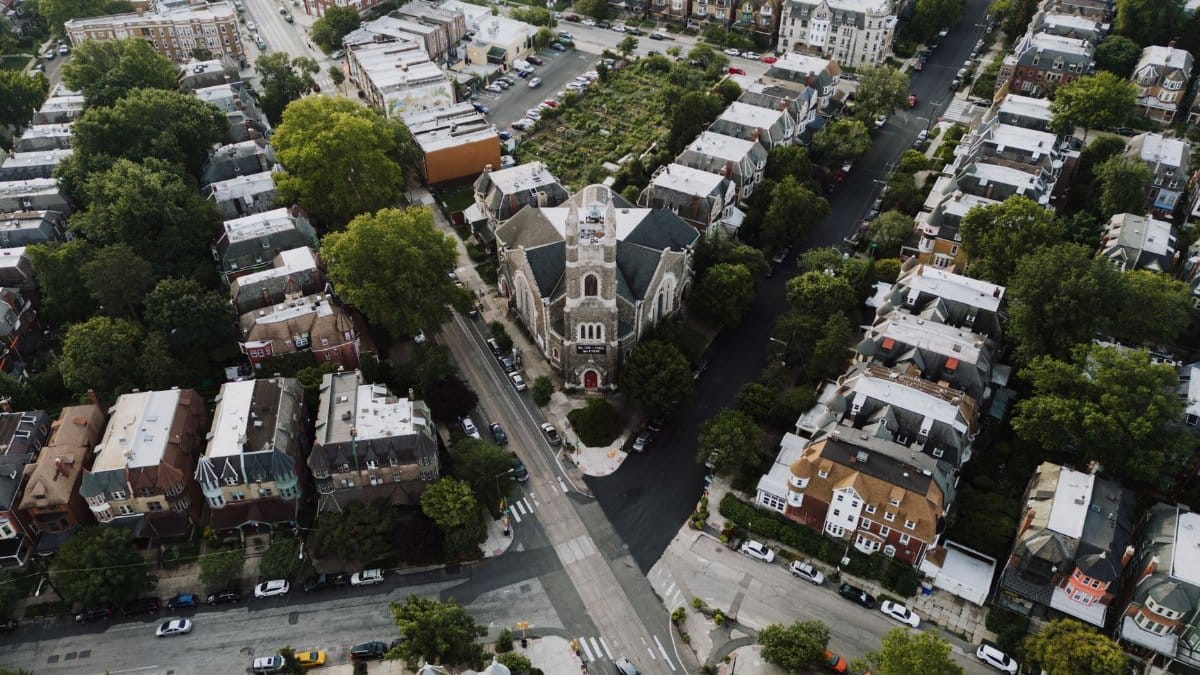
The Catholic Church in Argentina is not a visitor. Parishes sit beside bus stops where wages are counted in cash. Priests have buried the results of poverty and have also scolded governments of the left and the right for treating the poor as a backdrop. Francis made that intimacy global. Leo inherits it without owning it in the same biographical way, which may be why his words landed with a cooler tone and a sharper edge.
In a meeting with bishops before the session with Milei, the pope urged the church to stay close to comedores, parish kitchens, and the informal workers who never appear cleanly in a spreadsheet. He warned against two temptations at once: the temptation to baptize any market policy as providence, and the temptation to confuse a press conference with a pastoral plan. Charity, he said, is not a substitute for justice, and justice is not a slogan that feeds a child on a Tuesday night.
How the president answered
Milei did not stage a fight. People who know his temperament found that notable. He thanked the pope for the visit, spoke of the dignity of work, and repeated his view that stable money is a defense of the weak, because inflation steals from those who cannot hedge. He described austerity as a transition, not a creed. He did not yield the center of his project. He wrapped it in language the guest could not easily dismiss.
The exchange, according to officials on both sides, stayed civil and went longer than the schedule. No joint document emerged. None was expected. What remained was a photograph of two men who need each other more than either would like to admit. The president needs moral cover in a country where the church still opens doors that a finance ministry cannot. The pope needs a hearing from a leader whose voters include a large share of the faithful.
The square, the kitchens, and the cameras

Outside, the day belonged to crowds that did not fit a single caption. In Plaza de Mayo, pilgrims sang and vendors sold rosaries next to flags from the last campaign. A few blocks away, community cooks stirred pots and watched the speech on a phone propped against a pot lid. One coordinator said she did not need a theologian to explain empty shelves. She needed rice, oil, and a government office that answered the phone.
Television split the event into competing montages. One channel lingered on the pope’s sentence about people and the economy. Another lingered on Milei’s claim that order is compassion. Social media did what it always does, stripping context until only allegiance remained. By nightfall the phrase Pope Leo Milei was less a meeting than a test of which sentence a person chose to believe.
Markets, morals, and a familiar argument

Economists watching from trading floors treated the remarks as politics more than policy. Bond prices did not swing on a homily. That cool reaction misses the point of a visit like this. In Argentina, legitimacy is not only a matter of spreadsheets. A program can improve a monthly index and still lose the public if people decide it has confused endurance with virtue.
The pope’s argument is old in the Catholic tradition and newly sharp in a libertarian decade. Labor, he suggested in remarks to business leaders the next morning, is not a cost to be minimized until a model looks elegant. Wages, rest, and the ability to plan a family are part of what an economy is for. Investors who want Argentina to look predictable will have to live with a church that refuses to treat predictability as the highest good.
Francis in the background
No one in the halls needed to say the name Francis for it to be present. The former pope’s Argentine birth, his preference for the margins, and his tense history with Milei still shape how every Vatican sentence is heard here. Leo has been careful not to impersonate his predecessor. His manner is more reserved, his texts more trimmed. That reserve made the rebuke, if it was a rebuke, harder to file away as personality.
Allies of the president like to say that Francis and Milei represented two eras that could not share a table. The current visit complicates that story. A different pope, with a different style, delivered a judgment that rhymes with the old one. People before the economy is not a factional slogan in this tradition. It is a test the church keeps putting in front of whoever holds the treasury.
What diplomats will carry home

Foreign ministries in the region read the day as a signal, not a rupture. Governments that have embraced strict fiscal plans wanted to know whether Rome intended a campaign against them. The answer, from aides around the pope, was no. The answer from the speech itself was also no to the idea that markets can be morally self sufficient. Latin America has tried both errors, the error of spending without limit and the error of calling every cut a reform.
United States officials, watching a pope who leads a church with millions of American members, kept their comments thin. They praised dialogue. They avoided the budget fight. That caution was wise. A sentence spoken in Buenos Aires will be quoted in parish halls from Chicago to Los Angeles, where arguments about prices, migration, and public aid already strain congregations. The visit was local. The audience was not.
The poor as more than an audience
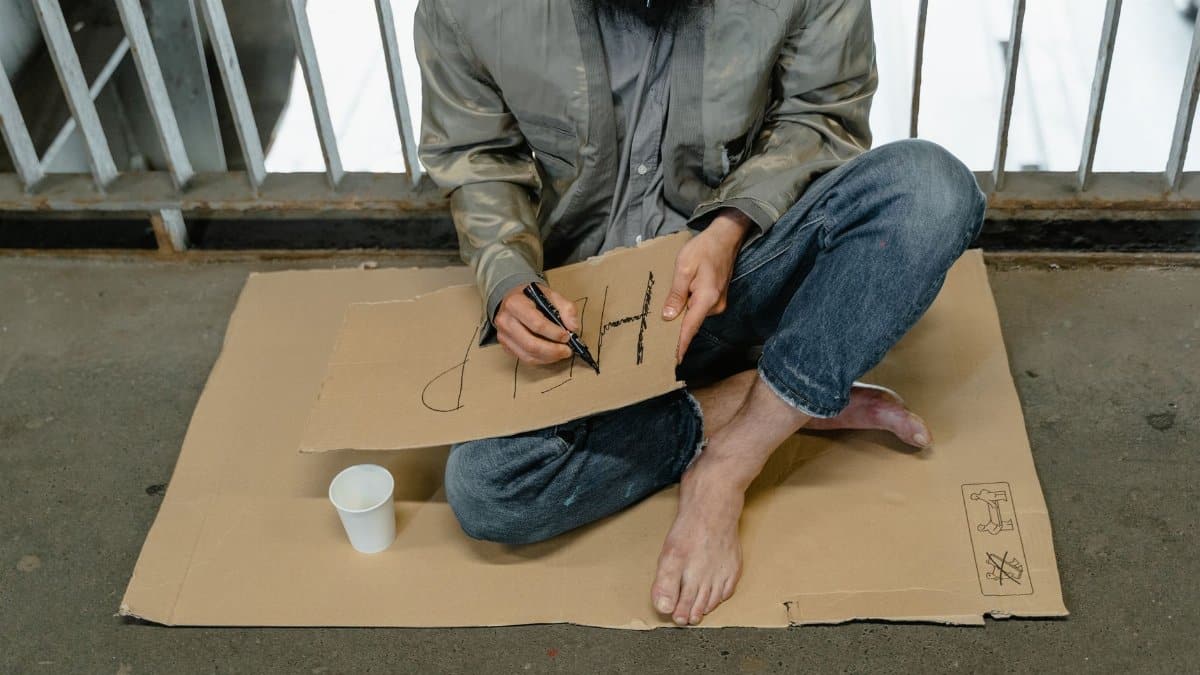
On the second day the pope left the palaces. He stopped at a shrine, then at a neighborhood where electrical cables tangle above low houses and the bus fare decides whether a shift is worth taking. He did not arrive with a check that solves a fiscal year. He arrived with attention, which institutions often ration more tightly than money. Residents asked about jobs, about schools, about sons who left for other countries because the arithmetic at home stopped working.
He told them the church would not rank them below a theory. That promise is easy to applaud and hard to keep. Dioceses have their own accounts. Donations rise and fall. Volunteers burn out. Still, the promise matters because it names a hierarchy. When a state says the books must balance first, someone has to ask who waits in the hallway while the books are balanced.
A presidency measured in more than one number

Milei’s project will not be settled by a papal visit. Inflation, reserves, employment, and the next election will have their say. Supporters insist that without the cuts there is no future in which kitchens are full. Opponents insist that a future purchased by emptying the present is not a future the poor can enter. Both claims can be stated without cartoons. Both can also hide behind cartoons, which is the risk of a political culture that rewards volume.
The pope did not offer a third spreadsheet. He offered a criterion. If a policy cannot say, in concrete terms, how a person on the edge remains a person and not a remainder, it has not finished its moral work. Governments may reject that criterion. They cannot pretend they were not told.
After the motorcade
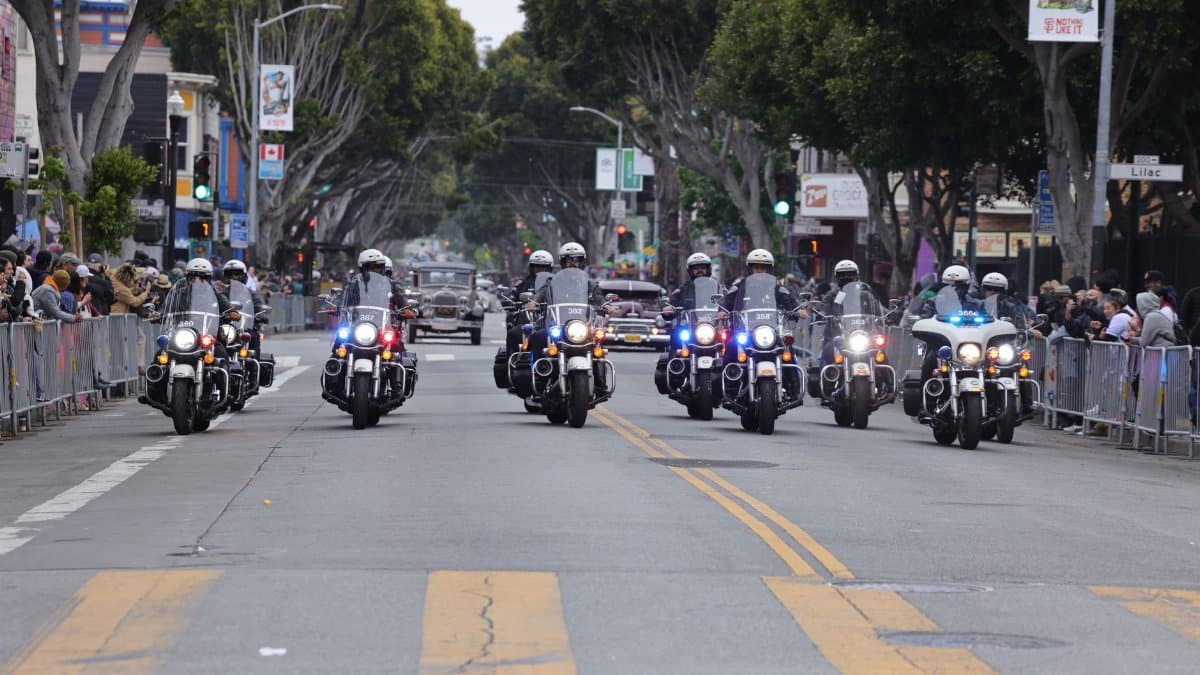
When the motorcade left the residence, cleaners stacked chairs and technicians coiled cables, the ordinary end of an extraordinary day. Milei returned to a calendar of decrees and legislative bargains. The pope returned to a schedule of liturgies and private meetings with families who had written letters months ago. Between them sat a sentence that will outlast the flowers.
Argentina has heard many visitors promise respect and deliver lectures. It has also heard many leaders promise sacrifice and deliver it unevenly. The value of this encounter is that neither man could fully occupy the role of villain in a simple play. A president defending a painful stabilization met a pope insisting that pain is not proof of wisdom. The country will decide, in paychecks and pews, which warning it can afford to ignore.
The argument that remains

By the time night settled on the river, the phrase Pope Leo Milei had moved from news alerts into argument at kitchen tables. Some heard respect in it. Some heard confrontation. The useful reading is more exact. A pope told a president that an economy is a servant. A president answered that a broken economy cannot serve anyone. The space between those claims is where Argentina now lives.
That space is not abstract. It is the hour a parent waits to see whether a transfer arrives. It is the choice a governor makes about a hospital wing. It is the prayer a person offers when the numbers and the gospel do not rhyme. Visits end. That unfinished rhyme does not. In the record of this week, Pope Leo Milei will mark not a truce and not a war, but a public reminder that budgets are moral documents whether or not their authors admit it.